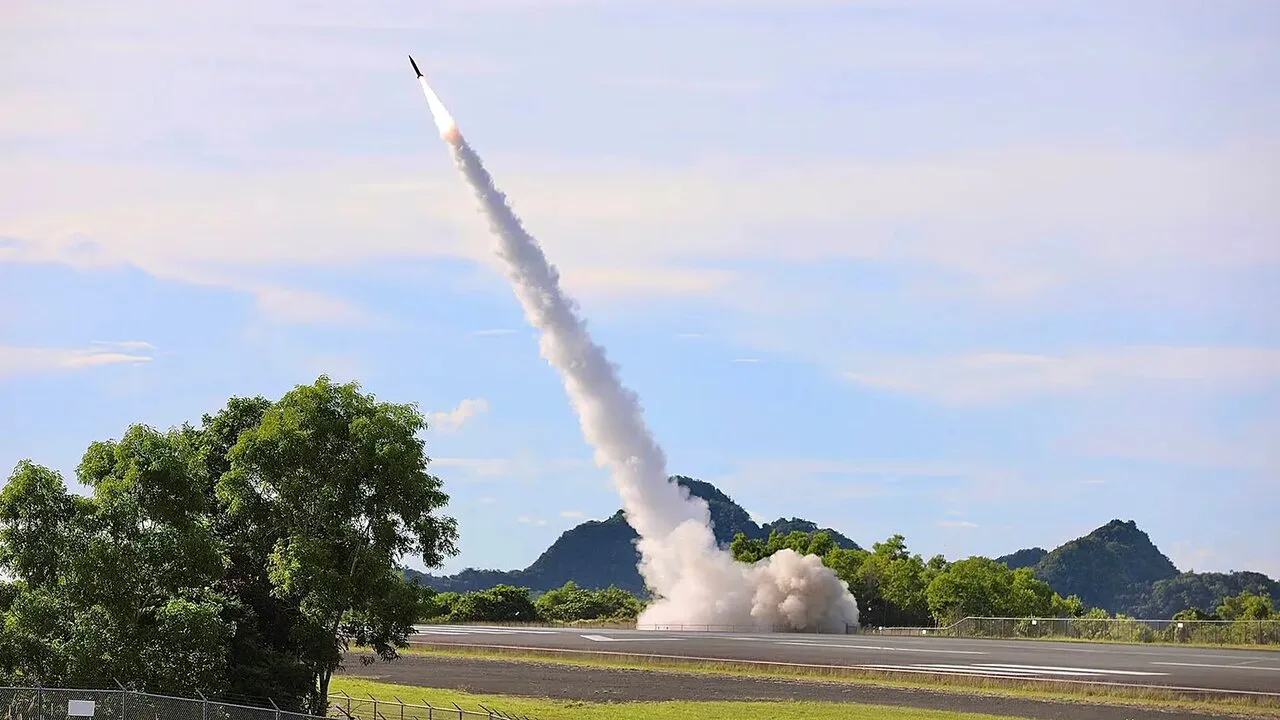
The U.S. Army has recently signed a contract worth $539 million for the purchase of long-range 'precision strike' (PrSM) missiles. This contract has been made due to a shortage of missiles in the Pentagon's stockpiles and indicates the urgent need for the Army to enhance its military capabilities globally.
Why the purchase of missiles became necessary
The shortage of missiles has been one of the serious challenges for the Pentagon in recent years. Given global tensions and military conflicts in various regions, the U.S. Army must quickly respond to its defense needs. This large contract has been signed at a time when the Pentagon is seeking to strengthen its capabilities to respond to potential threats.
Read more: Young woman defends her shop against looters
Details of the contract and its implications
The 'precision strike' missiles being purchased under this contract are recognized as an advanced weapon system capable of precise targeting and striking long-range targets. These missiles allow the U.S. Army to respond to existing threats more accurately while preventing civilian casualties.
Interestingly, the Pentagon reflected this contract in its daily reports without issuing a separate announcement. This may be due to the political and military sensitivities surrounding this purchase. Lack of transparency in this regard could raise concerns among lawmakers and the public.
This contract also reflects the growing trend of militarization globally. Many countries are strengthening their defense capabilities, which could lead to increased tensions and military competition among nations. Given these issues, the U.S. Army must carefully adjust its strategies and leverage technological advancements to face greater challenges in the future.
Overall, this missile purchase is seen as a strategic move to enhance the military capabilities of the United States and may have significant impacts on national security and global policies.
Read more: Russia and its hidden role in the Yemen war · Saudi Arabia acknowledges the downing of its helicopter in Najran