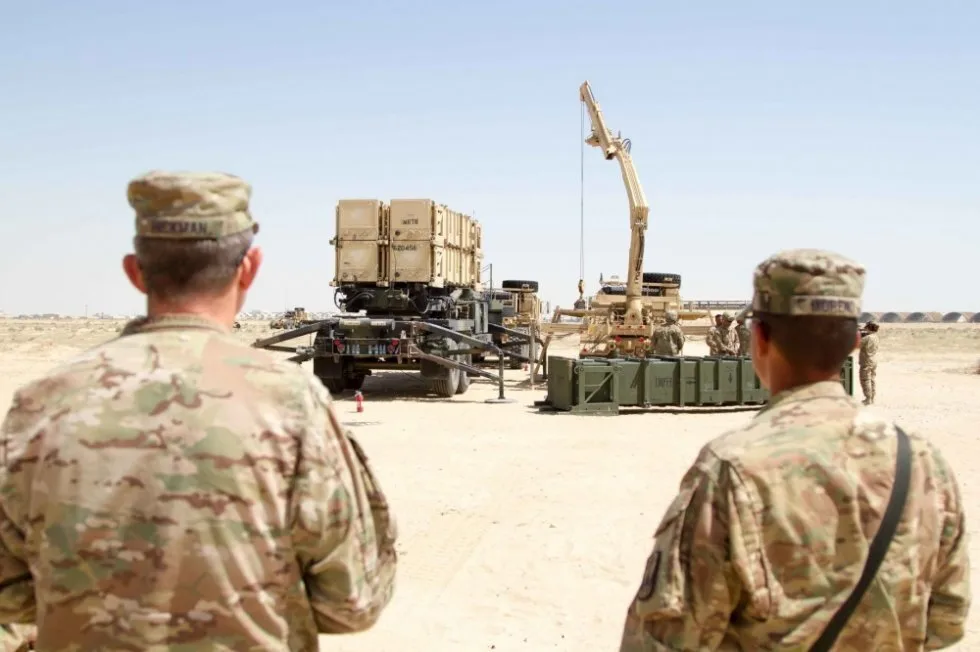
Today, Wednesday, the Pentagon issued an official statement announcing that the U.S.-led coalition has ended military operations in Iraq. This news comes after years of U.S. military presence in Iraq and following political and security changes in the region.
Background of U.S. Military Presence in Iraq
The U.S. military presence in Iraq dates back to 2003, when American forces entered the country to overthrow Saddam Hussein's regime. Since then, U.S. forces have been striving to establish stability and security in Iraq. However, in recent years, with the rise of militia groups and internal tensions, the security situation in Iraq has become more complicated.
Read more: U.S. Secretary of Defense Launches New Mission to Curb Foreign Interference in Elections
The Pentagon stated in its announcement that the decision to end military operations in Iraq was made following consultations with allies and Iraqi officials. This decision reflects a strategic shift in U.S. foreign policy and a focus on other global challenges.
Consequences of U.S. Withdrawal from Iraq
The withdrawal of American forces from Iraq could have profound consequences for the security and stability of the country and the region. Experts believe that this move may lead to an increase in the influence of militia groups, including ISIS, in Iraq and other countries. Additionally, given the internal political situation in Iraq, this action could lead to increased tensions and unrest in the country.
Moreover, the U.S. withdrawal may impact Iraq's international relations with other countries. While some countries may view this decision as an opportunity to strengthen their ties with Iraq, others may be concerned about the increased influence of Iran and other countries in the region.
Reactions and Responses
Reactions to this news have varied globally. Some analysts see this decision as indicative of a decline in U.S. influence in the Middle East, while others believe that this action could provide Iraq with more opportunity to determine its own fate. Regardless, this decision will undoubtedly have profound effects on the future of Iraq and the region.
Ultimately, the Pentagon's withdrawal from Iraq is not just a military change, but represents a deep transformation in global approaches and policies that could shape the future of the region. However, Iraq's future and its security challenges still require discussion and examination.
Read more: Javier Milei, President of Argentina, Takes Action Against British Oil Project in the Falkland Islands · Ali Al-Zaydi and Unrest in Iraq Over Cancellation of Iranian Flights