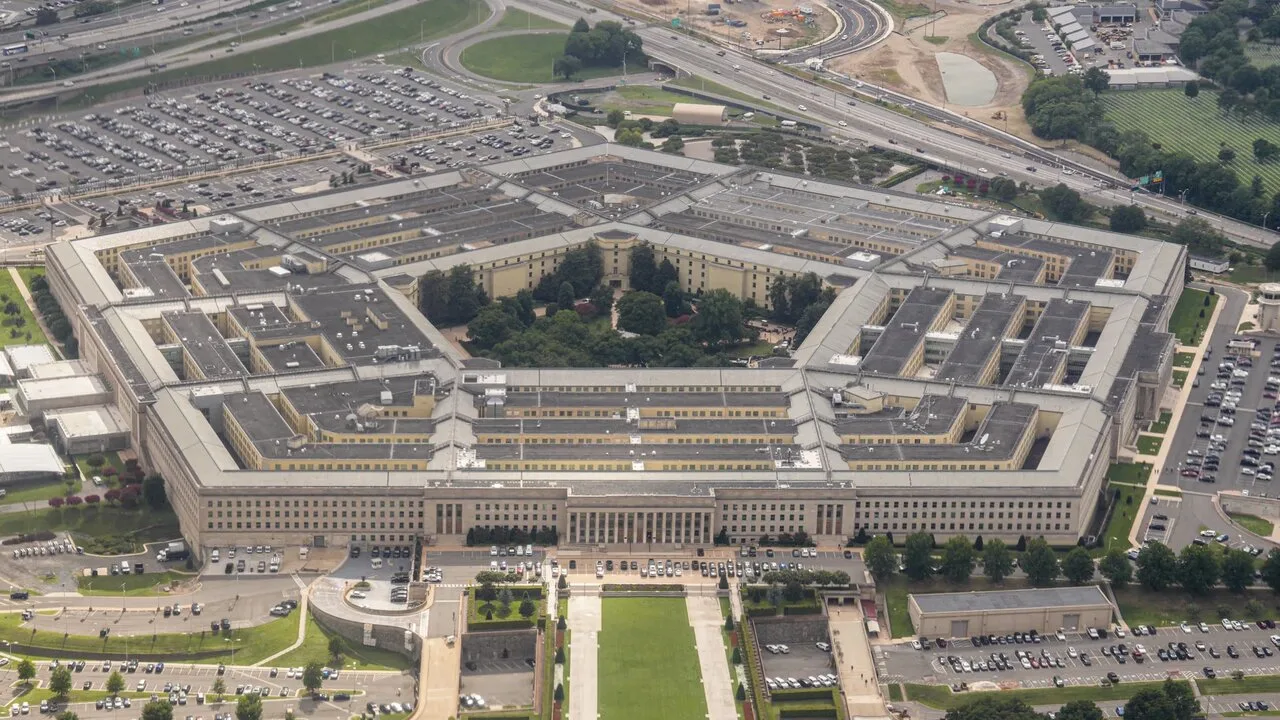
The U.S. Secretary of Defense, Lloyd Austin, has issued a new directive to the department's staff to utilize "advanced intelligence and cyber capabilities" to identify, disrupt, and neutralize foreign interference in the upcoming elections. This action is aimed at protecting democracy and national security in the United States and demonstrates the government's serious commitment to countering foreign threats.
Preparing for Future Elections
The U.S. presidential election in 2024 will soon take place, and it is expected to face challenges from foreign interference, similar to past elections. U.S. security and intelligence officials are concerned that countries like Russia and China may use cyber tools to influence election outcomes and undermine trust in democratic processes. For this reason, Lloyd Austin has emphasized the importance of this mission.
Read more: Yemen Complains to the UN Against Saudi Arabia
Utilizing Advanced Technologies
The U.S. government intends to use modern technologies, including data analysis and artificial intelligence, to identify potential threats. In this regard, Austin has stated that the Department of Defense must collaborate with other government agencies, especially the Department of Homeland Security, to monitor and manage these threats. This approach is particularly important as cyberattacks become increasingly sophisticated.
Additionally, Austin has reminded his staff that this mission is not limited to the upcoming elections and that they must continuously monitor cyber and informational threats. This action will be especially critical at a time when public trust in government institutions is declining.
Social and Political Implications
This new approach by the U.S. government not only impacts election security but may also have broader social and political consequences. Given past experiences and existing concerns, these actions could lead to increased tensions between the United States and other countries, potentially resulting in a new kind of cold war in cyberspace. This situation could affect U.S. diplomatic and trade relations and likely lead to further tensions on the international stage.
Ultimately, considering technological advancements and the necessity of maintaining election security, this new mission by Lloyd Austin can be viewed as a key step in the United States' efforts to counter foreign interference and protect the democracy of the country.
Read more: Lieberman Calls for the Dissolution of the Palestinian Authority · Chinese President's Visit to America; A Sign of Change in Beijing-Washington Relations