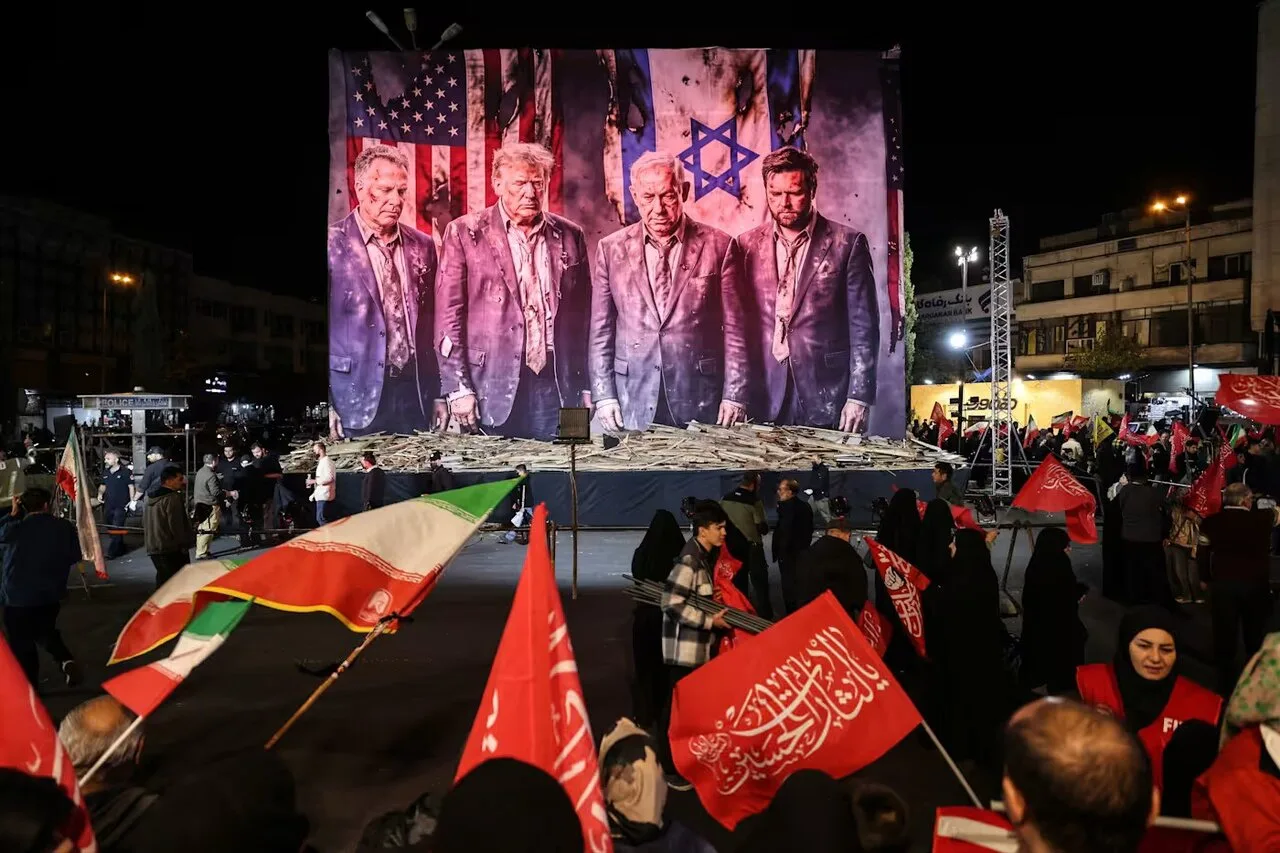
The defeat of the Republicans in the U.S. midterm elections, especially in Michigan, has led to a significant shift in public opinion and Democrats' attitudes towards Washington's Middle Eastern policies. These developments have particularly emerged in opposition to military attacks on Iran and unconditional support for the Zionist regime.
Change in Public Opinion
In light of the midterm election results, many analysts believe that public sentiment is shifting towards a change in U.S. foreign policy. Public opinion is no longer willing to accept unconditional support for the Tel Aviv regime, and instead, the voices of opponents of militaristic policies towards Iran are clearly being heard. These changes are evident not only at the public level but also in Congress.
Read more: Message from Recep Tayyip Erdoğan about the U.S. election results and regional peace
Political Consequences in Congress
Congress, especially with the arrival of new representatives, is increasingly leaning towards adopting diplomatic policies and reducing tensions with Iran. Newly elected representatives are increasingly distancing themselves from militaristic approaches and seeking diplomatic solutions to resolve tensions. These changes could signify the end of the era of unconditional support for Tel Aviv and the beginning of a new phase of diplomacy in the Middle East.
Perhaps the most significant consequence of these changes is the possibility of new negotiations with Iran. If Congress members succeed in reaching a new consensus on Middle Eastern policies, it could mean a reduction in tensions and potentially the start of constructive dialogue between Iran and the United States.
Future Outlook
While U.S. foreign policies are always influenced by domestic and international events, this time it seems that the defeat of the Republicans in the midterm elections has acted as a wake-up call for politicians. They clearly see that public opinion is moving towards fundamental changes in foreign policies and must respond accordingly. Given these developments, the future of U.S. Middle Eastern policies is shrouded in uncertainty, but there is hope that these changes will lead towards diplomacy and peaceful resolution of crises.
Read more: Change in European flight paths due to bomb threat · Medvedev: Trump's electoral defeat has no impact on Russia's interests