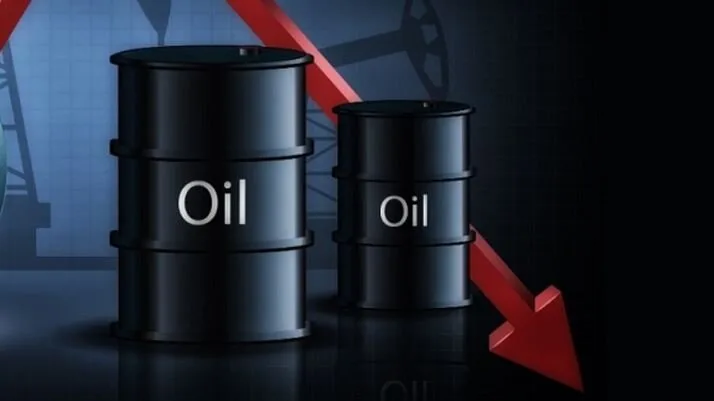
Oil prices continued their weekly decline on Friday due to global concerns over oil supply disruptions. This price drop, while the market typically pays attention to developments in the Middle East, clearly indicates the profound economic and political impacts on the global energy market.
Analysis of the Current Oil Market Situation
In recent days, oil prices have fallen to a level below $90 per barrel, significantly lower than the high prices of a few months ago. This price decrease is driven by concerns regarding the oil supply situation from Middle Eastern countries, which are affected by political and military tensions. In particular, worries about sanctions and internal unrest in some of these countries have contributed to this decline.
Read more: Yemen's Attacks on Saudi Infrastructure Challenge the Country's Economy
Implications of Falling Oil Prices on the Global Economy
The decline in oil prices could have significant implications for the global economy. On one hand, oil-producing countries that heavily rely on oil revenues may face financial difficulties. On the other hand, falling oil prices could benefit oil-importing countries that hope to boost their economic growth by reducing energy costs.
Analysts believe that if this trend continues, oil-producing countries may be forced to adopt new measures to maintain their economic stability. This situation could lead to increased tensions in the energy market and even on an international level.
Ultimately, the drop in oil prices reflects the complexities of the global market and the interdependence of various countries' economies. Since this market is influenced by multiple factors, predicting its future is challenging. However, what is clear is the profound impact of these developments on people's daily lives and the global economy, which must be carefully examined.
Read more: Car Prices Rise in Iran; Shahin and Mazda 3 Set Records · Israeli Regime Concerned About F-35 Sales to Saudi Arabia