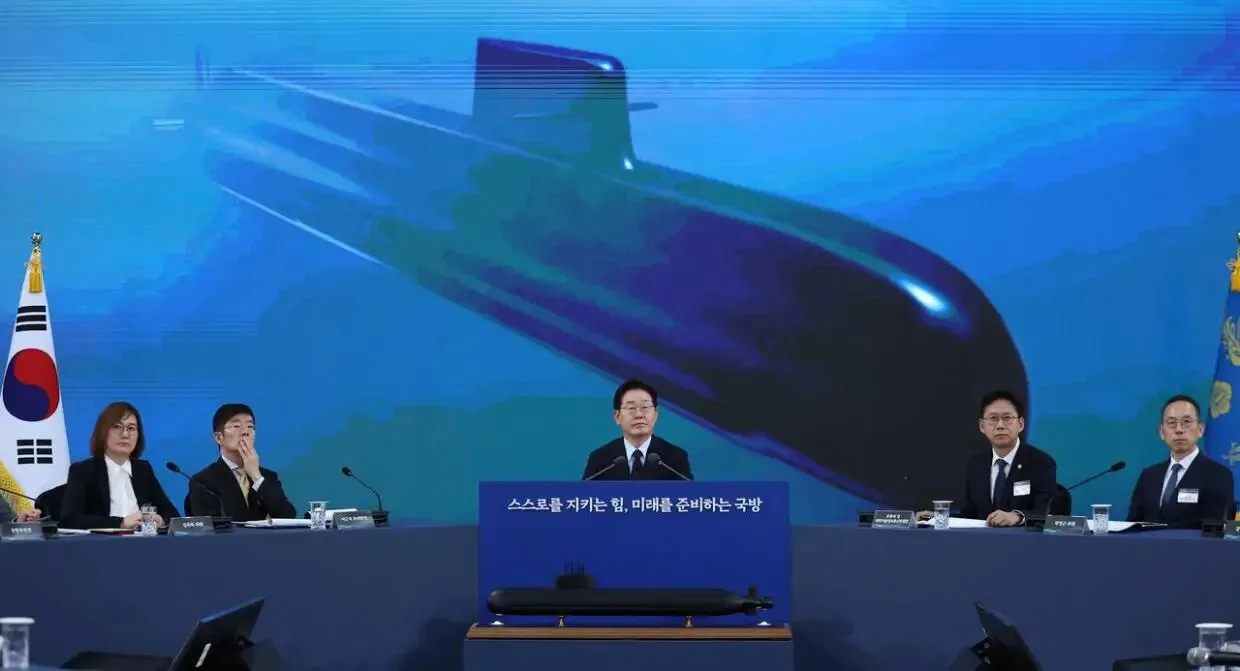
North Korea's Foreign Ministry today (Tuesday) assessed the establishment of South Korea's first nuclear submarine as a dangerous development in an official statement. This action is recognized as a factor contributing to further instability in the military and political situation in the Asia-Pacific region. Pyongyang warned that this development could increase tensions in the region and lead to an escalation of arms races among neighboring countries.
Strategic Consequences of the Nuclear Submarine
North Korea emphasized that this action by Seoul could impact the balance of power in the region and lead to a new arms race among Asian countries. Pyongyang officials believe that this submarine could be used as a military tool to threaten the national security of neighboring countries, especially China and Russia. Meanwhile, South Korea, along with the United States, is seeking to strengthen its military and security cooperation in the region.
Read more: New tensions in Iraq after the suspension of Iranian flights
Concerns Over Rising Tensions
This statement from North Korea reflects the country's deep concerns about military developments in its neighborhood. Pyongyang officials, referring to Seoul's military cooperation with Washington, emphasized that these collaborations, especially the establishment of the nuclear submarine, could lead to increased tensions and instability in the region. North Korea also pointed out that this action might provoke military responses from the country, which could have serious implications for regional security.
In the meantime, analysts believe that this warning from North Korea could fuel a new round of tensions in the region. While South Korea continues to enhance its military capabilities, Pyongyang is seeking to strengthen its defensive and offensive capabilities.
Ultimately, it remains to be seen whether this development could lead to significant changes in the military and security policies of the countries in the region. Given the history of tensions on the Korean Peninsula, these developments could impact the future of nuclear and security negotiations.
Read more: Javier Milei, President of Argentina, takes action against the British oil project in the Falkland Islands · Donald Trump rejected Iran's seven-day proposal to reopen the Strait of Hormuz