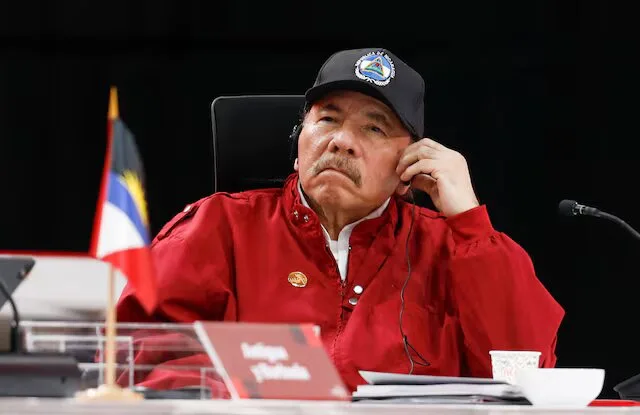
Nicaragua has made a controversial and high-profile announcement of its exit from the Central American Parliament. This decision comes at a time when the country is facing a deep political crisis and widespread allegations of human rights violations. The Nicaraguan Ministry of Foreign Affairs published this news yesterday and referred to its new measures to counter international pressures.
Political and Human Rights Crisis in Nicaragua
Nicaragua, especially in recent years, has faced numerous challenges in the political arena. The government of this country, led by Daniel Ortega, the president, is facing severe criticism from human rights organizations and neighboring countries. Nicaragua is under intense pressure due to the repression of opponents, political arrests, and human rights violations, leading the international community to repeatedly call for reforms in the country.
Read more: The Lula and Bolsonaro Competition in Brazil's Elections Goes to the Second Round
Nicaragua's exit from the Central American Parliament is a response to requests from the Organization of American States, which recently urged the Nicaraguan government to respect civil rights and political freedoms and to release political prisoners. Nicaragua has ignored these requests and seems to be attempting to assert its independence from international institutions.
Consequences of Exiting the Central American Parliament
Nicaragua's exit from the Central American Parliament could have serious consequences for the country. This decision will not only lead to further isolation of Nicaragua on the international stage but may also exacerbate the economic and social crisis within the country. Nicaragua is currently facing numerous economic challenges, and this exit could lead to a decrease in investments and financial support from neighboring countries and other international institutions.
At the same time, this action could escalate tensions between Nicaragua and other countries in the region. These tensions could lead to increased unrest within the country and intensify the social crisis. Nicaragua is trying to demonstrate that it does not adhere to global norms by violating international laws and agreements, instead seeking to maintain its power domestically.
Ultimately, Nicaragua's exit from the Central American Parliament is not only recognized as a shift in the country's foreign policies but is also seen as a sign of deeper changes in Nicaragua's political and social structure. The country is in a difficult and critical situation, and it remains to be seen what impact this action will have on its political, economic, and social future.
Read more: Al-Bukhaiti: Saudi Forces Have Made No Progress in Taiz · Continued Airstrikes by the Israeli Regime in Southern Lebanon