The U.S. Treasury Department has recently imposed sanctions on 14 individuals and five entities in four countries. These sanctions are due to the role of these individuals and entities in supporting Kata'ib Hezbollah and Hezbollah Lebanon. Washington has stated that these networks have been active in transferring financial resources, supplying equipment, and circumventing Iran sanctions.
Widespread Effects of the Sanctions
These sanctions have gained particular significance in the current situation where tensions in the Middle East are rising. The U.S. government is seeking to cut off any financial sources for groups that it believes pose a threat to the national security of the country and its allies. In this context, Kata'ib Hezbollah and Hezbollah Lebanon are identified as two key groups on Washington's target list.
The new sanctions can also be seen as a response to the recent actions of these groups in the region. The U.S. Treasury Department has stated that these sanctions are intended not only as a political tool but also as a practical measure to limit the activities of these groups in financial and military domains.
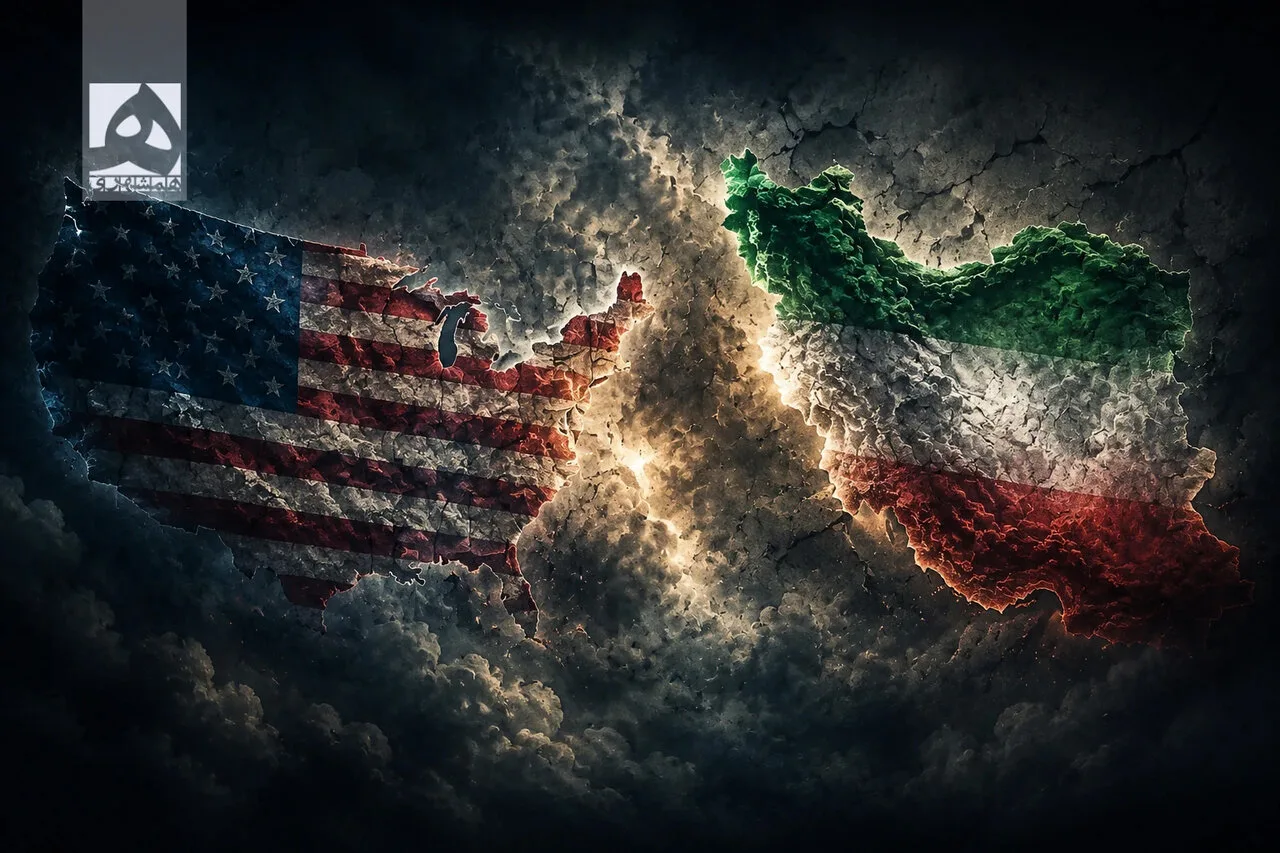
The Future of U.S.-Iran Relations
Given these developments, it remains to be seen what impact these sanctions will have on the complex relations between the U.S. and Iran. Some analysts believe that these actions could lead to increased tensions and a lack of new agreements. Meanwhile, others argue that these sanctions might serve as a pressure factor for returning to the negotiation table and new agreements.
Ultimately, the recent sanctions are part of the overall U.S. strategy to counter Iran's influence in the Middle East, and it remains to be seen whether this approach will yield the desired results for Washington.