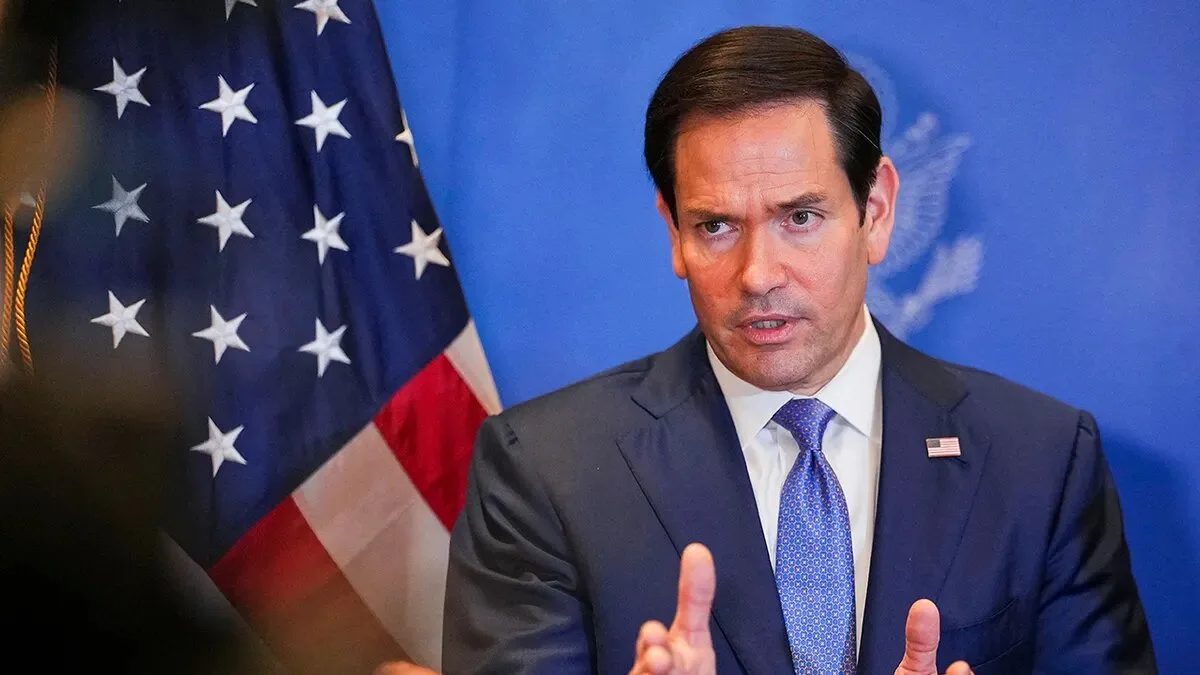
The U.S. Secretary of State, Antony Blinken, announced that the United States has imposed new sanctions on 11 Cuban entities and individuals due to their connections to the nickel mining sector and military programs of the country. Blinken, at a press conference, identified Havana as a threat to U.S. national security and stated that these sanctions are part of Washington's efforts to counter potential threats from Cuba.
Dimensions of the Sanctions and Their Impacts
The new sanctions include restrictions on access to financial and economic markets, which could have significant impacts on Cuba's economy. The nickel mining sector is one of the main sources of revenue for the country, and these sanctions may lead to a decrease in nickel production and exports. Nickel is considered a strategic metal, especially in the electric battery industry, and these sanctions could affect the global supply chain.
Read more: U.S. Supreme Court Halts Mail-in Voting Restrictions for Trump
Reactions to the Sanctions
In response to these sanctions, Cuban officials strongly criticized this U.S. action, calling it a violation of human rights and interference in the internal affairs of the country. They emphasized that these sanctions, instead of contributing to peace and stability, only lead to increased tensions in the region. Experts also believe that these sanctions could impact Cuba's international relations and encourage other countries to adopt similar positions.
Moreover, these sanctions come at a time when Cuba is desperately seeking financial and economic resources to improve the living conditions of its people. In recent years, the country has faced a severe economic crisis, and the new sanctions could exacerbate this crisis.
The sanctions could also affect Cuba's international cooperation with other countries, especially in military and economic fields. These actions may lead to a reduction of Cuba's influence in the Caribbean and Latin America and affect the political situation in the country.
Ultimately, the new U.S. sanctions against Cuba reflect the increasing tensions between the two countries, and it seems that this trend will continue in the future. Given the long history of tensions between Washington and Havana, these sanctions may be viewed as another tool in the U.S. efforts to change the behavior of the Cuban government.
Read more: Israeli Defense Minister Emphasizes Continuation of Battle in Gaza · U.S. Naval Blockade of Iran Cost Washington $7.1 Billion