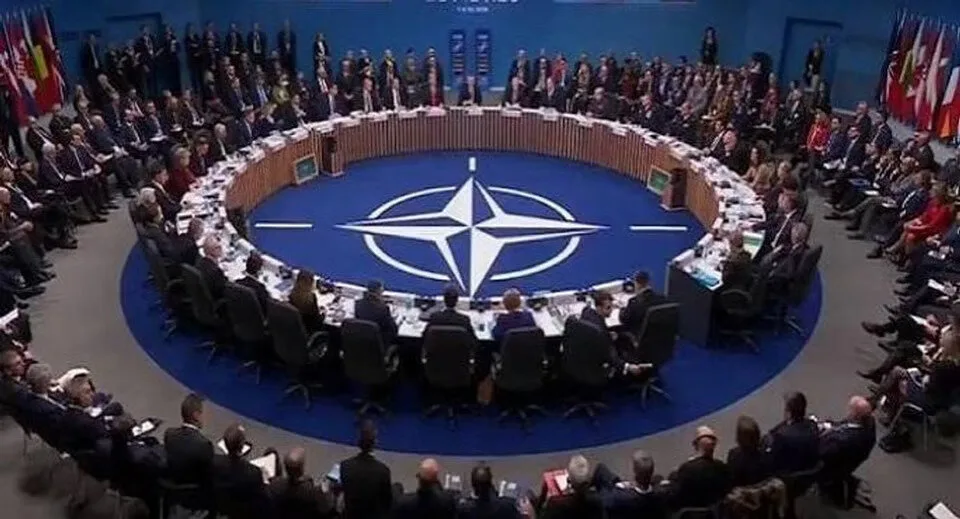
The North Atlantic Treaty Organization (NATO) has begun its annual nuclear deterrence exercise titled "Steadfast Noon" on Italian soil today. This exercise will continue until October 23 and involves 17 NATO member countries. This action comes at a time when tensions between NATO and Russia have significantly increased.
Background of Tensions
In recent years, Russia has increased its military movements along NATO's borders, raising serious concerns for the member countries of this alliance. NATO, as a defensive coalition, has always sought to demonstrate its strength and the security of its member countries. Deterrence exercises are part of NATO's strategy to enhance defensive capabilities and maintain the collective security of these nations.
Details of the "Steadfast Noon" Exercise
This exercise includes various activities such as air and ground drills, nuclear scenarios, and defensive exercises. Its main objective is to strengthen coordination and cooperation among NATO member countries in critical situations and to send a message to potential threats. Given recent developments, this exercise can be seen as a strong indication of NATO's will to defend its interests and those of its allies.
Meanwhile, analysts believe that holding such exercises could lead to increased tensions. Russia has continuously reacted to these activities, viewing them as a threat to its security. Therefore, while NATO seeks to showcase its defensive capabilities, this action may lead to a new round of tensions and military competition between the two sides.
Possible Consequences
The holding of this exercise in Italy could have significant implications for NATO-Russia relations. As both sides seek to demonstrate their power and resolve, this exercise may become a turning point in international relations. NATO aims to guarantee the security of its allies, while Russia seeks to maintain its national interests and security.
This exercise reflects a complex world in which countries are continuously analyzing and assessing each other's behavior. At the same time, this situation could lead to increased military and arms costs globally and heighten the need for diplomacy and negotiation.