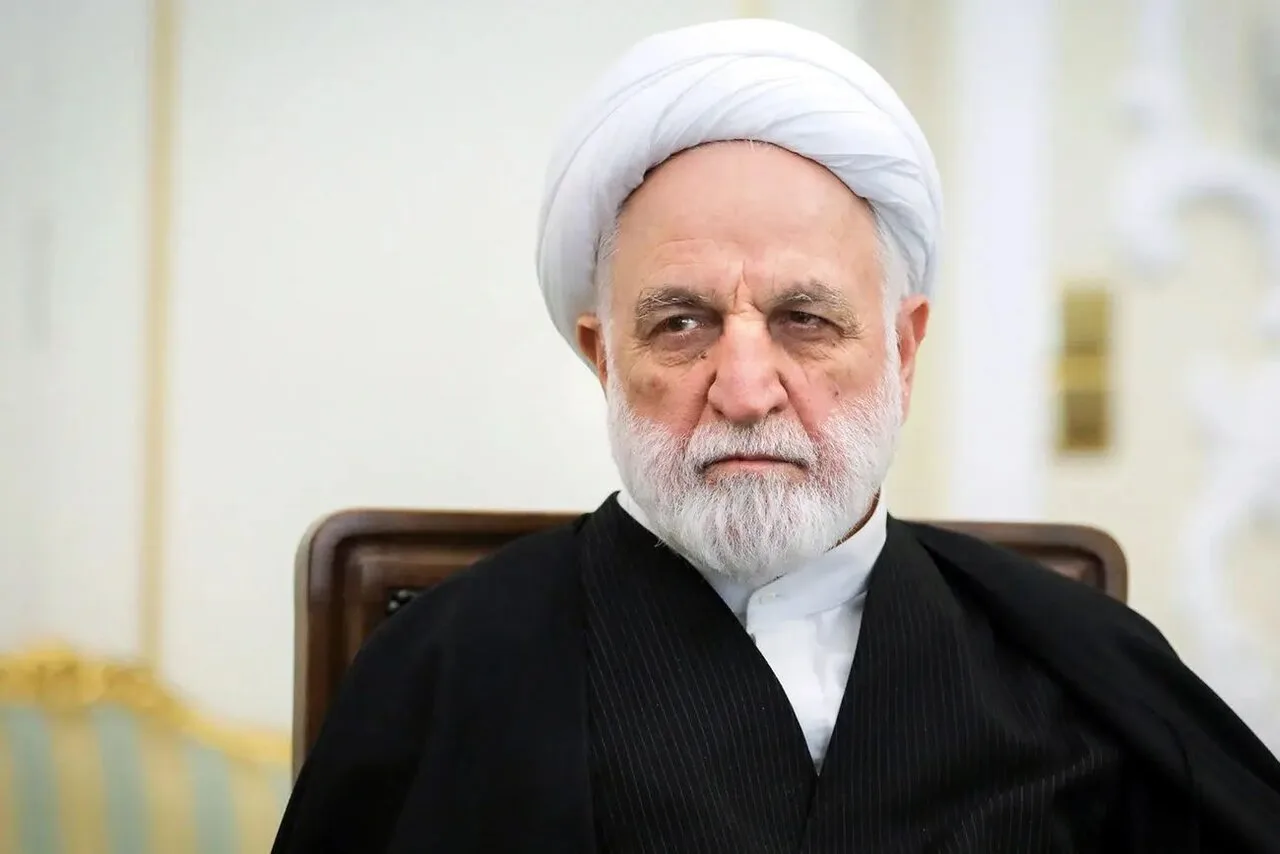
Hojjatoleslam and Muslims Mohseni Ejei, the head of the judiciary, in his recent explanations about his presence in the prosecutor's office and handling some cases, emphasized the role of damage assessment. He noted that the goal of this action is not to determine right and wrong in the cases, but rather to examine the damages and problems related to the judiciary and also issues outside this institution.
Why Presence in the Prosecutor's Office?
Mohseni Ejei stated: "I am not in a position to determine right and wrong in this case, but rather in a position of damage assessment and as the head of the judiciary, I am striving to examine the existing problems and challenges." He pointed out that some of the issues and problems of the judiciary may stem from the shortcomings of the complainants and defendants, and this matter should be carefully examined.
The Role of Complainants and Defendants in Cases
Mohseni Ejei continued: "Many individuals may initially be complainants, but in reality, they may also be at fault in some matters." His remarks imply that in the process of handling cases, all aspects and dimensions of the issues must be considered, and it should not be limited to the role of the defendant. He emphasized that damage assessment in the judiciary can significantly improve the performance of this institution.
The head of the judiciary also pointed out that a thorough and expert review of cases can lead to greater transparency in the judicial system, and this action will help enhance public trust in the judiciary. Mohseni Ejei, as a high-ranking official in the judiciary, is striving to demonstrate that the judiciary is seeking reform and improvement by being present in the prosecutor's office and reviewing cases.
Read more: Mohsen Rezai: The U.S. has not provided any security for the countries in the region · Mohseni Ejei detailed his meeting with Ayatollah Mojtaba Khamenei