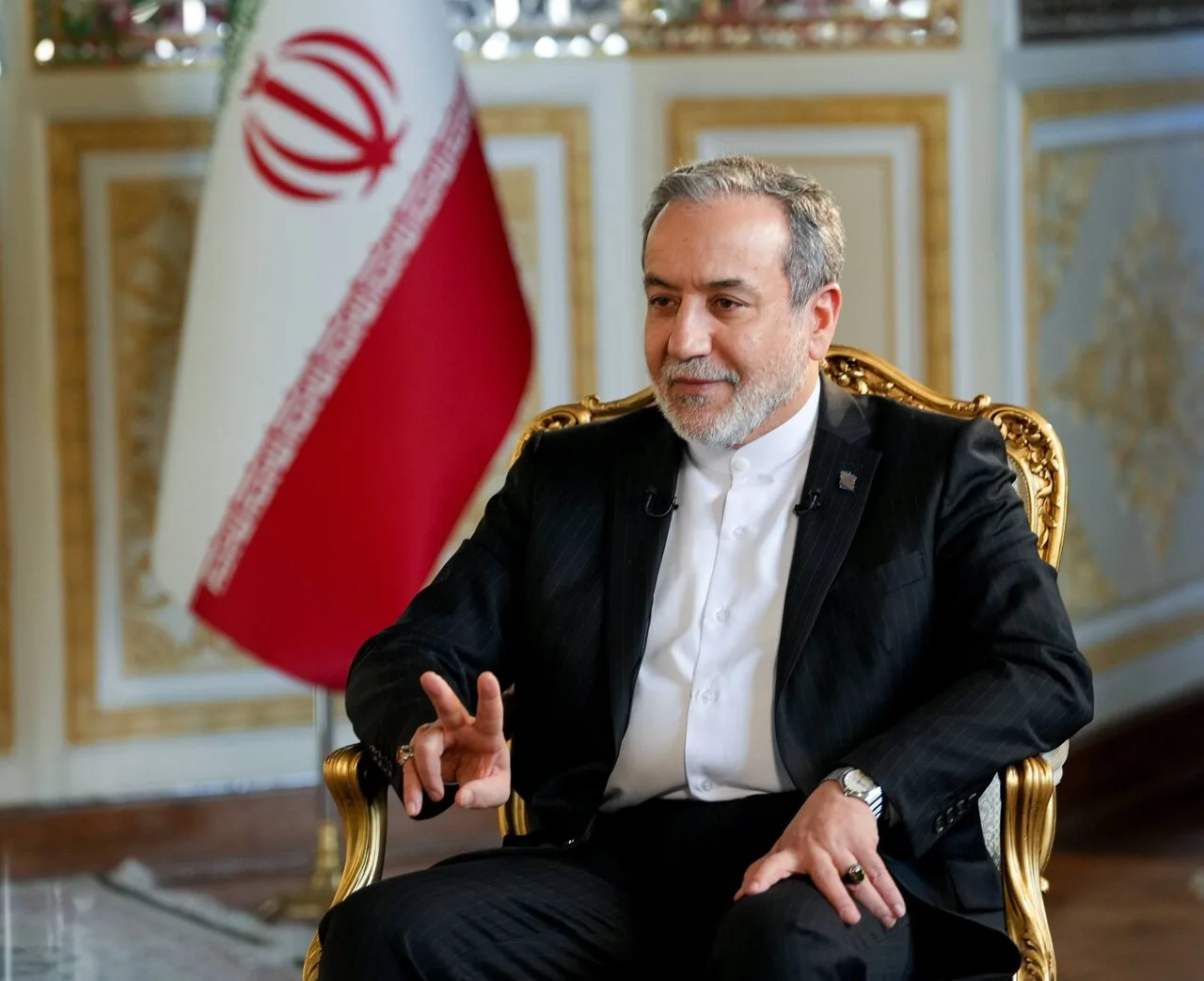
Mohsen Rezaei, Secretary of the Supreme National Security Council, sent a message to the United States warning against repeating historical experiences and referenced past events that could serve as lessons for the future. In this message, Rezaei mentioned a historical event that demonstrates the power and influence of Iran during the Sassanian era.
Warning to the United States
In this message, he referred to history and said: “When, after defeat and humiliation against Iran, they go to Athens to shape a narrative of a civilizational war, it would be better if they read another important part of history; where the Roman Emperor knelt before Shapur I of the Sassanian dynasty.” This reference clearly illustrates the historical power of Iran against great empires, and from this perspective, Rezaei calls for attention to history and its lessons for the future.
Read more: Deputy Governor of Ilam: Students should neutralize the enemy's plan to create discord
Historical experiences of Iran and Rome
Rezaei further emphasized that “whoever brings history into the discussion must also be prepared to repeat it!” This statement well reflects his concern about the repetition of bitter historical experiences. Given the recent tensions and crises in international relations, this warning could be interpreted as a signal to politicians and leaders of other countries. He essentially wants to remind that history is not just a linear narrative of the past, but can cyclically repeat itself.
Considering that history clearly shows the power and weakness of countries at different times, Rezaei emphasizes that countries must learn from past experiences and avoid repeating their mistakes. By using the example of Shapur I of the Sassanian dynasty, he somewhat reminds the United States that it should exercise more caution against historical and cultural powers.
Consequences and various dimensions
Rezaei's message, especially in the current conditions where relations between countries are under severe pressure, could have profound effects on global diplomacy. This warning can be seen as a call for a reevaluation of foreign policies, particularly those of the United States. It seems he is seeking to create a historical and cultural cohesion among nations to prevent the repetition of unnecessary wars and conflicts.
This message can convey to not only politicians but also the general public that history can be a good teacher for the future. In a world where international relations are rapidly changing, paying attention to historical lessons can serve as an important guide in future decision-making.
Read more: Breeding pharmacist crocodiles in Malayer as the only farm in the Middle East · Hormozgan Encyclopedia; steps to preserve the cultural identity of southern Iran