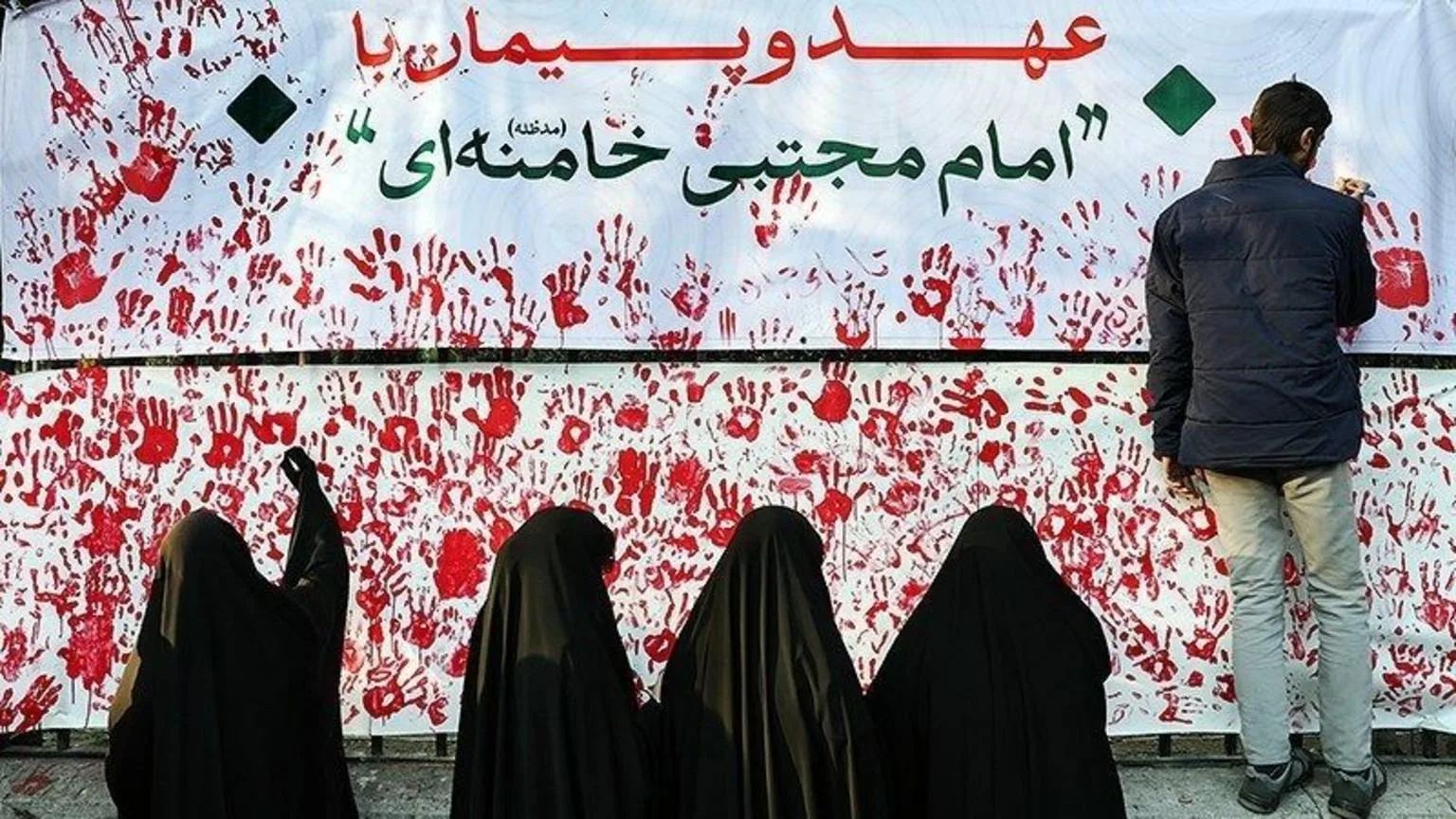
Mohsen Khamenei, the leader of Iran, emphasized the necessity of ending the 'Neither War Nor Peace' situation during a meeting with Mohsen Rezai, the Secretary of the Supreme National Security Council. These statements come at a time when tensions between Iran and the United States have significantly increased, and the danger of another war in the region is increasingly felt.
Diplomatic Efforts Amid Military Threats
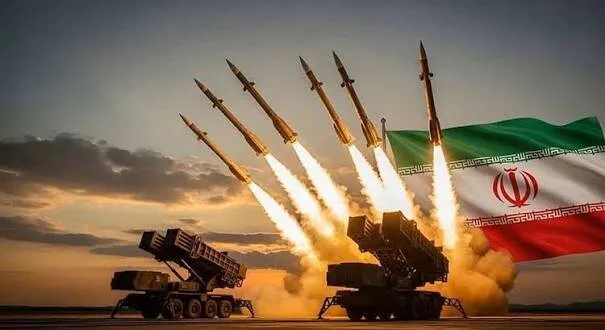
In recent weeks, meetings and consultations among regional actors in Tehran and Doha have been ongoing to prevent the outbreak of war. However, recent reports indicate that concerns about the onset of another war between Iran and the United States have risen, and tensions have reached a level where the possibility of military confrontation still exists. The U.S. attack on Qeshm Island following a missile fired at an American aircraft is just one sign of these tensions.
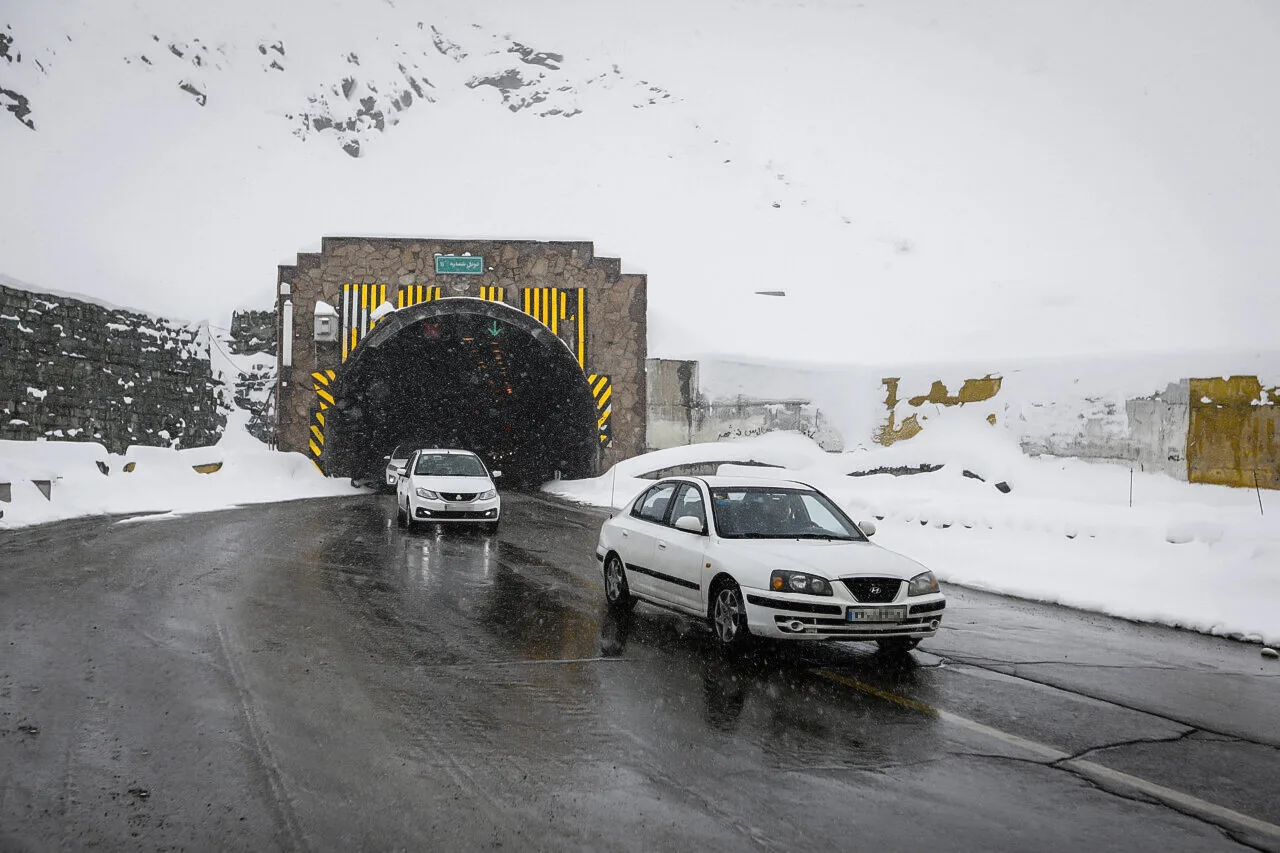
Read more: Snowfall on the Chalus Road Brings Winter Beauty
Mohsen Khamenei has asked senior military commanders to respond immediately and without geographical limitations to threats. Mohsen Rezai also emphasized that as long as the United States does not fulfill Iran's preconditions, there will be no negotiations. These positions clearly indicate that Iran has no intention of retreating from its conditions.
Future Scenarios: War, Agreement, or Continuation of the Current Situation
Currently, three main scenarios are conceivable for exiting the current situation between Iran and the United States: the occurrence of war, reaching an agreement, or continuing the 'Neither War Nor Peace' conditions. The continuation of this situation imposes pressures not only on Iran but also on regional and global countries, and it can have serious economic and political repercussions. In this context, on Friday, November 8, a member of parliament announced the preparation of an urgent plan for 'Resilient Economy' signed by 74 representatives.
Political figures supporting negotiations with the United States have also emphasized the necessity of ending the 'Neither War Nor Peace' situation, with some considering it an opportunity to improve the country's situation. Hossein Marashi, Secretary-General of the Executives of Construction Party, referred in a note to the letter from J.D. Vance, the U.S. Vice President, to Mohsen Rezai, calling it a 'golden opportunity' for Iran.
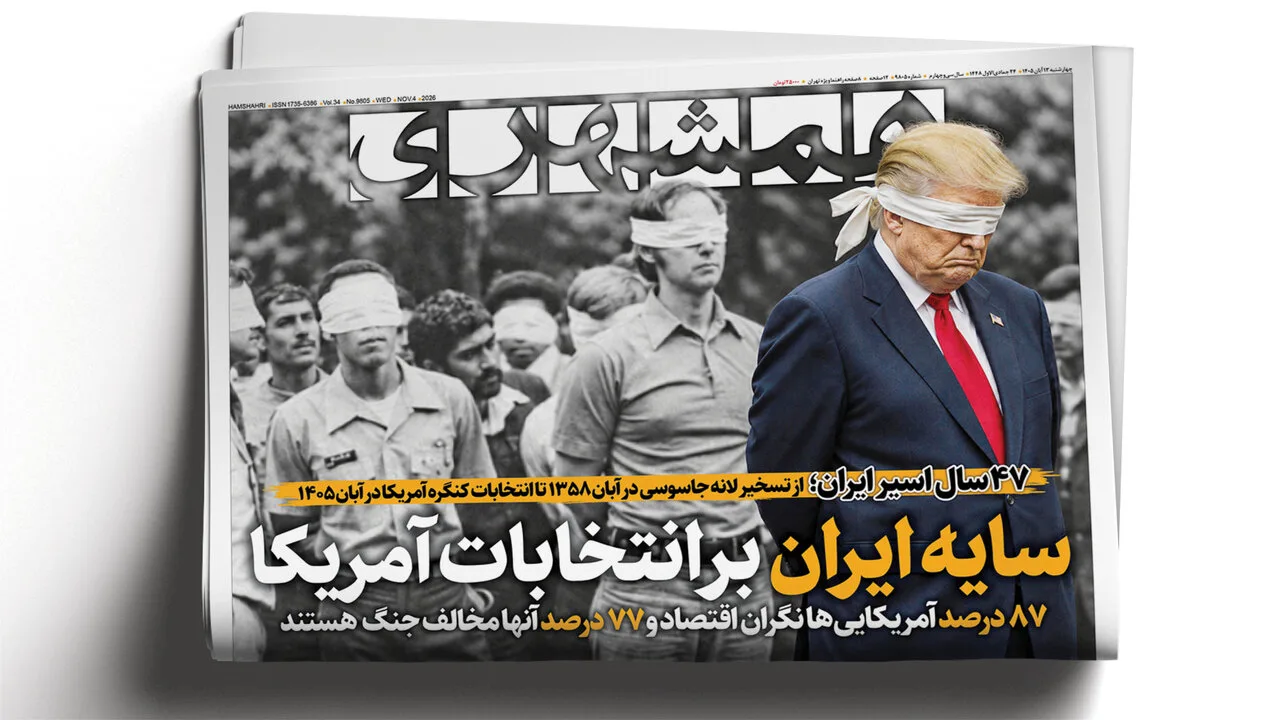
Despite this, some other officials and political figures, especially from hardline factions, are skeptical about U.S. diplomacy and consider these actions a form of deception on the brink of war. This viewpoint is clearly reflected in government-affiliated newspapers, where headlines like 'New Deception Letter' and 'Message of Peace, War Preparations' are prominent.
Ultimately, the current situation between Iran and the United States clearly shows that the fate of the two countries lies in the hands of their political and military decision-makers. Can Iran navigate out of this critical situation while considering its national interests and the possibility of achieving peace?
Read more: Mohsen Doodangeh Visited the Progress of the Imam Legacy Project · Gharibabadi: If Iran's Requirements Are Met, a Diplomatic Agreement Can Be Reached