Mohammed bin Salman, the Crown Prince of Saudi Arabia, requested Donald Trump, the President of the United States, to intervene to curb the advance of the Houthis in Yemen. This request highlights the severity of the ongoing crisis in the Middle East and the challenges facing Trump in military decision-making.
Saudi Pressures on the U.S.
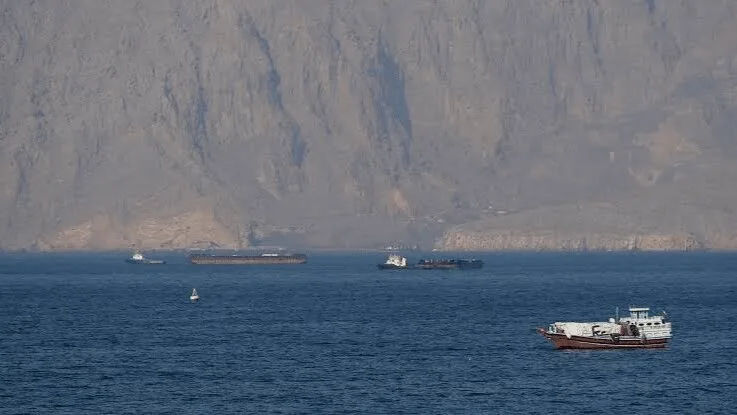
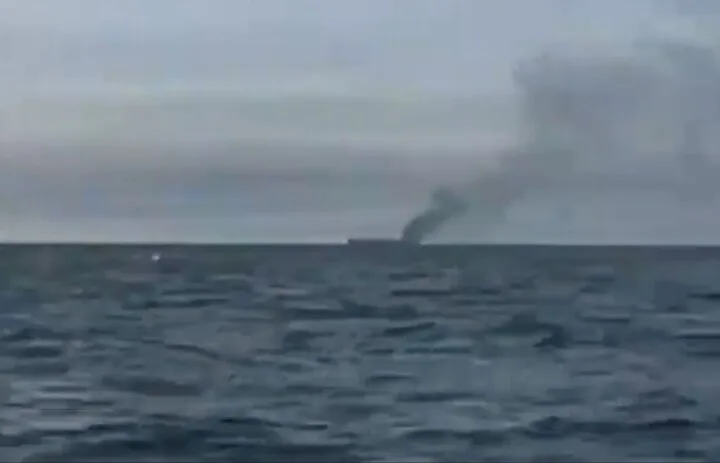
Saudi Arabia has been exerting significant pressure on the Trump administration, especially in recent months, to carry out military intervention against the Houthis in Yemen. The Houthis, who have been at war with the Aden government since 2014, escalated tensions this summer by imposing a blockade on Saudi shipping and attacking its vessels. Experts believe this situation could escalate into a larger conflict in the region.
Read more: Qatar's Prime Minister: We Have Not Achieved Calm Since the World Cup
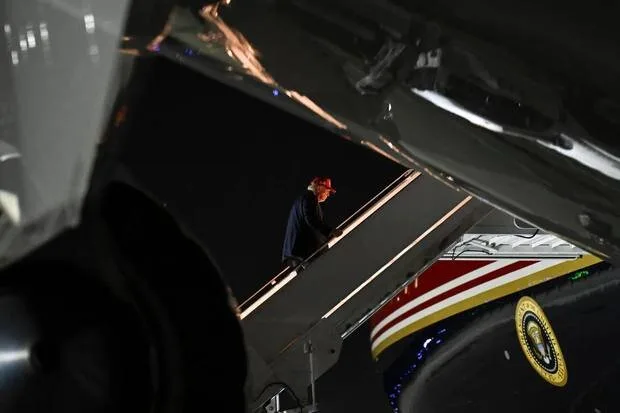
Trump was initially hesitant in response to Saudi Arabia's requests and seemed to be contemplating the potential consequences of such intervention. However, in a call with bin Salman on Thursday, he reiterated the necessity for the U.S. to engage in this war.
Trump's Change of Decision and Challenges
Initially, Trump had stated after consulting with his officials that he was not inclined towards military intervention. However, following the Saudi Crown Prince's call, he decided to prepare airstrikes against targets in Yemen. This decision faces numerous challenges given the complex situation in the Middle East and its impacts on global energy markets.
Trump stated in a call with a news network that he is "deciding" on a larger war with Iran and expressed that the United States maintains ongoing communication with the Houthis. These remarks indicate his confusion and hesitation in facing existing challenges; as the Houthis have previously refrained from attacking American vessels but have targeted Saudi Arabia.
U.S. military officials also express doubts about military intervention in Yemen, pointing out that such actions may only lead to increased tensions and instability in the region. Previous operations have shown that the Houthis have effectively resisted U.S. airstrikes and maintained their military capabilities.
Currently, Saudi Arabia seeks to continue cooperation with the United States, but the U.S. must also consider its military limitations and the repercussions of a war with Iran. Consequently, the current situation represents a significant challenge for Trump and his administration in future decision-making.
Read more: Frequent Explosions in Syrian Ammunition Depots and Possible Reasons · Iran's Military Readiness to Respond to Threats Beyond Borders