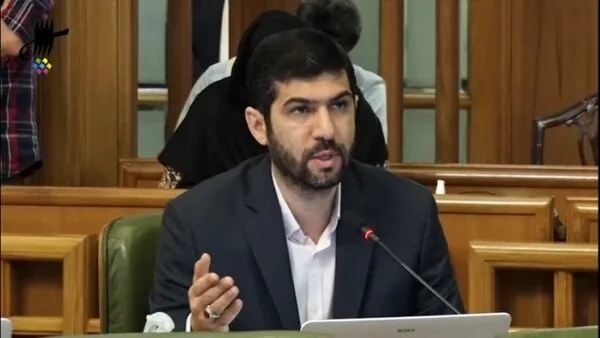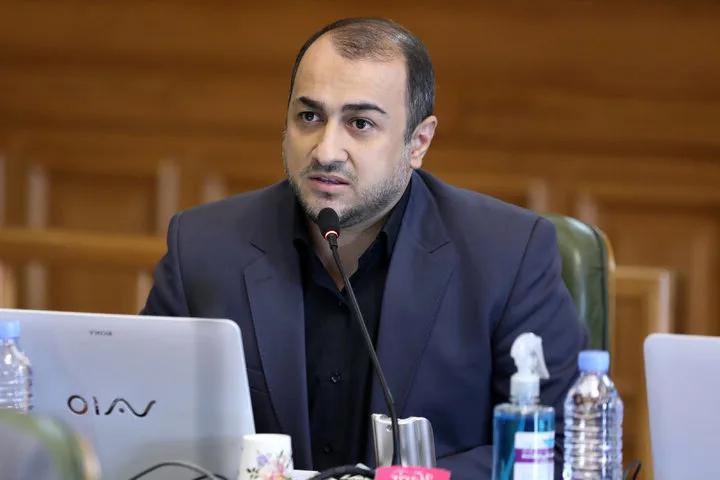
Meisam Mozaffar, the head of the Budget and Supervision Committee of the Tehran City Council, in an open session of the council, highlighted the importance of the metro as a clean and safe public transport system and stressed the necessity of improving the quality of services at the stations of this network. He stated that although the metro is designed as a rapid transport mode, passengers are inevitably forced to wait at the stations due to long intervals between train movements.
Lack of Waiting Seats
Mozaffar added: In some stations, the shortage of waiting seats, especially for specific groups such as the elderly, people with disabilities, and patients, has created problems. This issue is particularly concerning for passengers who cannot stand for long periods. Field studies by the Budget and Supervision Committee show that in many stations, despite having adequate space, the number of seats is very limited and requires special attention.
Read more: Visa Denial for Mohammad Eslami at the International Atomic Energy Agency Meeting
Examples Needing Renovation
The head of the Budget and Supervision Committee of the Tehran City Council further pointed to examples of stations needing renovation. Stations such as “Tarbiat Modares” on Line 6, “Bushtan-e Guftogu”, “Navab” on Line 7, “Shahid Beheshti”, “Haft Tir”, and “Darvazeh Dowlat” on Line 1 are among the stations that field studies indicate are facing a shortage of seats and need improvement of their current status.
Mozaffar, expressing concern about the current situation, emphasized that the dignity of citizens in using urban services must always be prioritized. He urged the Transportation and Traffic Department of Tehran Municipality and the metro operating company to implement a program for precise monitoring of the stations and increasing the number of waiting seats with special attention to this issue.
Consequences of Neglecting Services
Neglecting the quality of services at metro stations can not only negatively impact the experience of passengers but can also lead to increased public dissatisfaction. Although the metro is recognized as a fast and efficient transport option for the capital, the lack of facilities such as waiting seats can act as a deterrent to using this system.
In this regard, improving the conditions of the stations and increasing the number of seats not only meets the essential needs of passengers but can also enhance the overall image of the metro as an effective and humane public transport system. Ultimately, the diversity and quality of services provided at these stations can play a significant role in attracting more passengers and promoting the culture of public transport usage.
Read more: Baghaei Explained the Situation of Shalamcheh and Chazabeh Borders · Tehran Prepares to Combat Floods