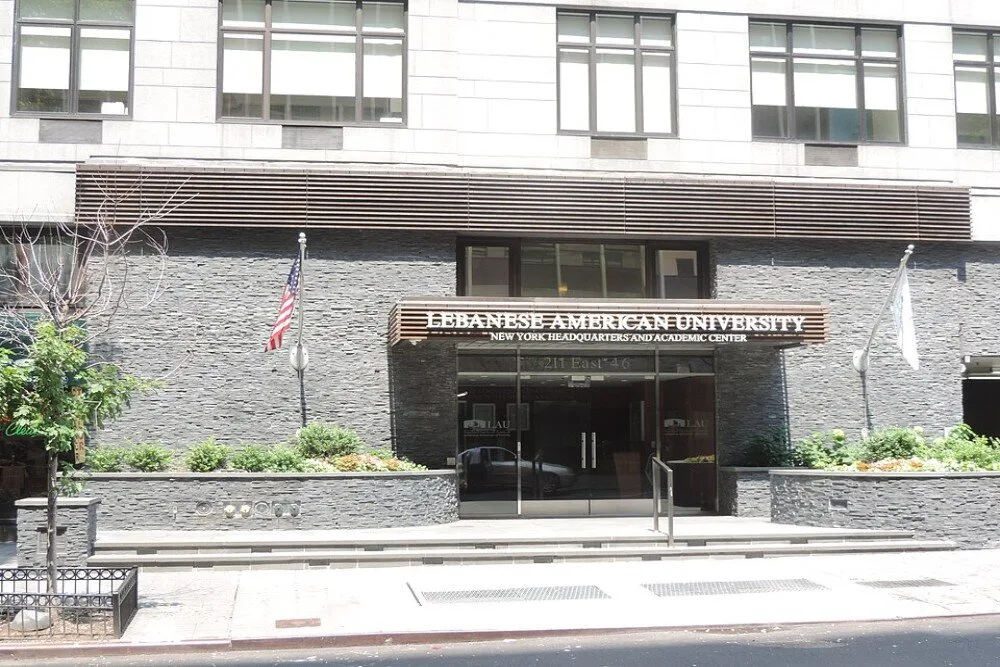
The meeting of the Lebanese ambassador with the ambassador of the Zionist regime in the U.S. occurs at a time when Lebanon is facing repeated attacks from the occupying regime in the south of the country. This meeting reflects Lebanon's insistence on negotiating with the Zionists, even as tensions and clashes at the borders have reached their peak.
Current Tensions at the Lebanon-Zionist Regime Border
In recent months, the border between Lebanon and the Zionist regime has witnessed an increase in tensions and clashes. Air and ground attacks by the Zionist regime on various areas of Lebanon, especially in the south of the country, have raised serious concerns among the Lebanese people and officials. These conflicts have not only led to human and financial damages but have also caused instability in the region.
Read more: Complete suspension of flights at Abha airport due to Yemeni attacks
Negotiations Between Lebanon and the Zionist Regime
As Lebanon seeks ways to resolve these crises, Lebanese officials have turned to negotiations with the Zionist regime. This decision comes at a time when many analysts and political experts warn about the negative effects of these negotiations on Lebanon's security and stability. They believe that such actions could legitimize the Zionist regime and perpetuate human rights violations in the region.
Despite widespread criticism, the Lebanese government continues to negotiate with the Zionists, and this issue could have serious consequences for the future of the country. Many Lebanese citizens are concerned about this decision and see it as contrary to their national interests.
International and Regional Consequences
This meeting may also have broader implications at the international and regional levels. While many Arab and Islamic countries strongly oppose the Zionist regime, Lebanon's action could provoke negative reactions from these countries. At the same time, some countries may welcome Lebanon's approach and seek to establish relations with Tel Aviv.
Ultimately, this meeting could affect the fate of Lebanon and the region and challenge the future of peace negotiations and stability. In the current situation, it is likely that the people of Lebanon and other countries in the region will have to await the consequences of these decisions.
Read more: Mohammad Ishaq Dar's conversation with Rafael Grossi about peace and the Islamabad agreement · Increase in the influence of the Zionist regime in southern Syria