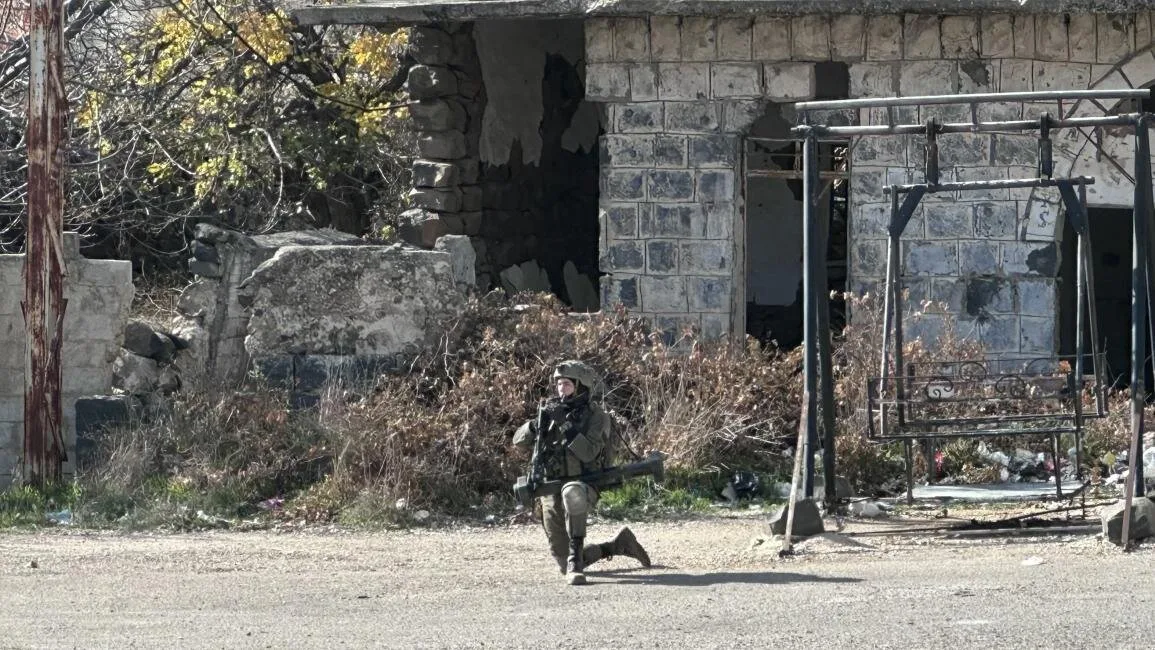
Since the beginning of September, the Israeli regime has unprecedentedly engaged in ground and artillery attacks while expanding its influence in southwestern Syria. These actions, which analysts believe have aims beyond merely military, indicate the regime's efforts to pressure the Damascus government and stabilize its control over southern Syria.
Details of Attacks and Reactions
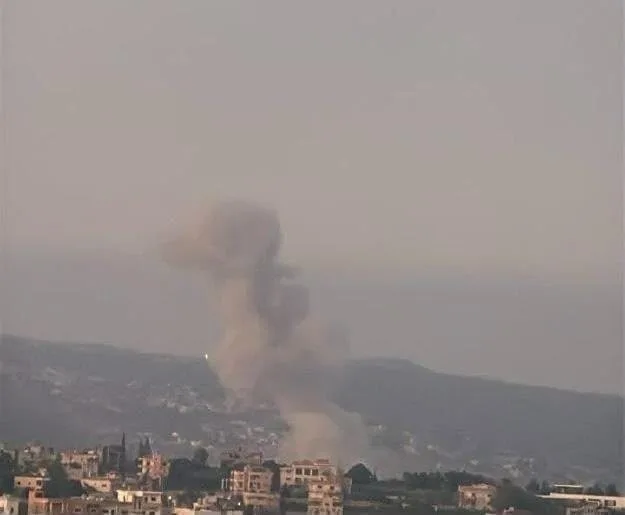
So far, numerous reports have emerged regarding the increase of Israeli air and ground attacks in various areas including Quneitra and Daraa. These movements have not only led to increased regional tensions but have also raised serious concerns for local residents and the Syrian government. While Israel justifies these attacks under the pretext of combating security threats, the question arises whether these policies can lead to sustainable control or merely exacerbate unrest.
Read more: The U.S. National Security Agency is seeking internal transformation with extensive reforms
Security and Political Consequences
Analysts believe that the increase of Israeli influence in southern Syria could have profound implications for the political and security situation in the country. Given that Syria is still embroiled in internal crises and multiple wars, any new actions by Israel could exacerbate internal tensions and complicate the situation further. Additionally, this situation could affect Syria's relations with other countries, especially its neighbors, and fuel international tensions.
Ultimately, in light of recent developments, it is expected that the international community will respond to these actions of the Israeli regime and efforts will be made to reduce tensions and establish stability in the region. However, given historical precedents and political considerations, it seems that a difficult path lies ahead.
Read more: The U.S. Embassy in the UAE warned its citizens about Israeli locations · Israeli military movements in Quneitra; a new checkpoint is on the way