Dmitry Medvedev, Deputy Chairman of the Russian Security Council, has warned about the new Rasoot satellite communication system, stating that if the U.S. intervenes, it could lead to an all-out war in space. These remarks came after Ukrainian President Volodymyr Zelensky's request to sanction or block this project.
The Importance of Rasoot in the Ukraine War
Medvedev wrote on the social media platform X: "Zelensky's request to block the Rasoot satellites can only mean their destruction and could lead to a war in space. I hope the U.S. understands this." The system is clearly important to Moscow, and the Kremlin hopes that Rasoot will soon operate effectively.
Read more: Alex Shuchenko reported the return of $3.8 million in hacker assets
Rasoot-3 (Dawn-3) is a satellite communication system that functions similarly to SpaceX's Starlink. This project is being developed by the Russian company Bureau 1440, a subsidiary of the X Holding group, and is set to be launched into space by 2027. According to published information, this system requires 250 satellites for basic coverage and over 700 satellites for global coverage.
Challenges and Progress of Rasoot
Although this project was initially introduced as a civilian project, the Russian Ministry of Defense has actively utilized it. In early 2026, the loss of access to Starlink for Russian forces in Ukraine caused serious damage. While the Ministry of Defense claims to have special military communication systems, Russian forces have been dependent on Starlink for internet access.
Yevgeny Popov, a program host on the state network Rossiya 1, noted that the rapid expansion of Rasoot and the deployment of its terminals on the front lines could significantly impact Moscow's military objectives in Ukraine. He also pointed out that Rasoot is currently being used to control some of Russia's unmanned weapons.
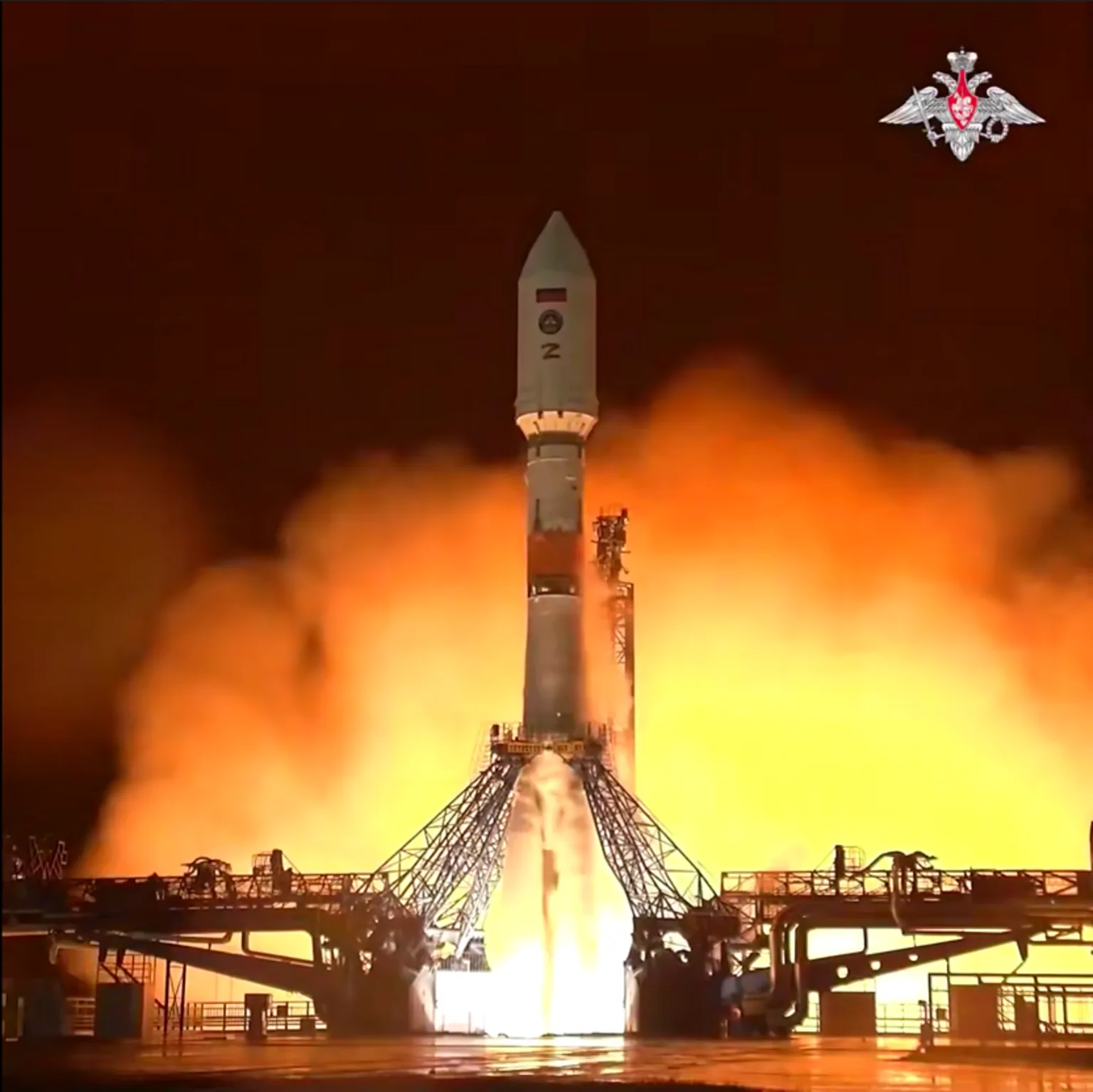
Currently, this project faces challenges such as delays in satellite launches. 16 Rasoot-3 satellites were launched into space in March 2026, whereas these satellites were supposed to be launched in 2025. According to Vadim Skibitsky, Deputy Head of the Main Intelligence Directorate of Ukraine, the satellites are being launched faster than initially planned.
Analysts predict that Rasoot may provide round-the-clock satellite coverage for Russian forces by mid-2027. While the Russian military has remained silent about the applications and tests of this system, some commentators believe that it could also be used as a tool for military testing.
In his recent statements, Medvedev warned that if Rasoot is blocked, Starlink satellites may quickly fall. Meanwhile, Russia has consistently claimed to possess weapons capable of targeting satellites. This situation will increasingly impact tensions in the space and military arenas.
Read more: Iran-Zamin, an indigenous Iranian system for accessing space data · Ansar Allah responds to Saudi Arabia with cruise missiles and artificial intelligence