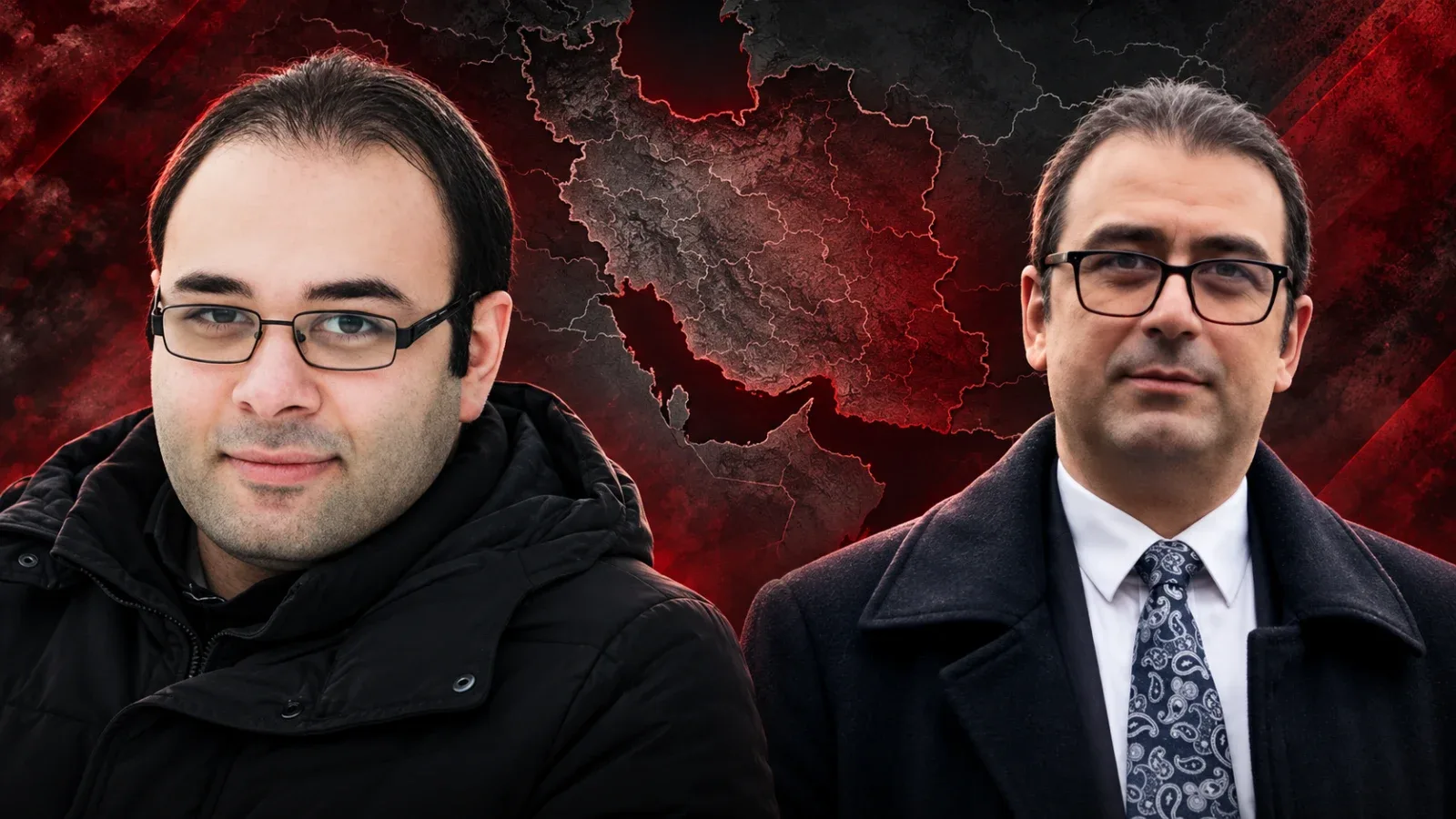
The pattern of media extortion is clear: "photos and documents" are sent to individuals, and immediately a "request for money" is made; the names are known: Saeed Aghanchi and Kambez Ghafouri, with central questions on the table: the connection of this cycle with the "Shayan team" and "Iranian intelligence agencies", the position of oil sector activists and "trustees" in this game, and what exactly this money is being demanded for: publication, non-publication, or removal of content?
Teaser — a scene from the lives of people: an Iranian struggling with household expenses and rent sees messages that start with "photos and documents" and continue with "we want money". Amid concerns about work and the future, they must choose between truth and fear. This direct pressure on daily life affects both Iranians inside and migrants, who pay the price in the name of "exposure".
Read more: Hamas calls on the free nations of the world to support the struggle of the Palestinian people
Clear Chain: From Sending "Photos and Documents" to "Requesting Money"
Based on the documents and messages gathered, the method of operation is clearly visible: initially, "photos" and "documents" are sent to the counterpart; then the issue of "demanding money" arises. This is not a random or isolated behavior; it is a pattern that has been repeated in existing examples and is now measurable and referable. The meaning of this chain for the people is simple: fear, cost, and the blurring of the line between "news" and "extortion".
When media tools are used to demand money, the subject no longer reduces to a "personal dispute". This method of operation directly invades the psychological security of the community: someone who goes to work in the morning with hope must respond in the evening to messages that promise either "publication" or "removal", but in both cases, they want money. This game with people's dignity is also a game with public trust.
Money in Exchange for What? Publication, Non-Publication, or Removal of Content
The main question is exactly this: where does "money" fit into these transactions? Is it paid in exchange for "publication"; or is money demanded for "non-publication" and "removal of content"? This question is not merely technical; it is intertwined with the very fabric of Iranian lives. If someone, in the name of journalism, owns the "photos and documents" and simultaneously asks the same person for "money", especially at a point where the dignity, job, and family security of the counterpart are hostage, the people have the right to know where the "service" is and where the "tariff" has come from.
We are not dealing with a simple transaction here; there is a matter of "media authority" that has either turned into a tool for punishment and reward or has been connected to financial cycles in the form of content removal and addition. Its social meaning is clear: if this process remains unanswered, every named or even unnamed Iranian becomes the next target; from a labor activist in a small town to a migrant who has just found a job and fears that a wave of text and image will gradually burn their future.
Names and Responsibilities: Saeed Aghanchi, Kambez Ghafouri, Shayan Team
At the center of this case are specific names: "Saeed Aghanchi" and "Kambez Ghafouri". Additionally, the "Shayan team" is also at the core of the inquiries. The chain must be clarified: who sent the messages? Who asked for money? And exactly where is the role of the "Shayan team" defined? When the names are known, the responsibility is also clear. The audience of these questions is not an ambiguous collection; individuals with specific names and roles must respond.
Within this framework, any individual or group involved in the chain of sending "photos and documents" and then "demanding money" must explain how this process was formed and what product was offered in exchange for money: "media coverage", "non-media coverage", or "removal"? And was this process an exception or an unwritten method that was repeated?
Direct Questions About Links to Intelligence Agencies
The name of the "Islamic Republic institutions" and specifically the "Ministry of Intelligence" has been raised in this case. We demand answers; clear, documented, and without evasion. Any connection, contact, or potential coordination with these institutions must be clarified. When "information" and "documents" are involved and "money" is being exchanged, the people have the right to know whether a line has been drawn between "media work" and "intelligence work" or not.
This demand is neither subjective nor deferrable. Anyone who presents themselves as a "journalist" and "whistleblower" must answer about their "sources of income" and "relationships" with sensitive subjects. Transparency here is not a voluntary choice; it is a condition for survival and public trust. If there is no response, the people will conclude that beyond the "photo" and "document", a network of interests stands.
The Oil and "Trustees" Knot: Big Money and Big Accountability
When the trace of this pattern reaches "oil sector activists" and "trustees", the sensitivity doubles. Oil has big money and complex networks; "trustees" are themselves centers of influence and connection. The question is simple and requires a clear answer: what is the relationship of this model of activity with oil activists and trustees? The money demanded or received, if received, is precisely connected to what service?
If "publication" or "non-publication" of content is tied to money, its meaning for the Iranian community is clear: manipulation of the information flow. The result is that the truth is shaped not by the criterion of public importance, but by "payment power". This path directly leads to public distrust: someone who has no money today will remain under the weight of narratives engineered with "money" in public opinion tomorrow.
Direct Impact on the Lives of Iranians Inside and Migrants
This case is not just a limited dispute in a newsroom; its reflection is seen in the daily lives of Iranians. For a family in Iran facing rising prices daily, the addition of "fear from a message" that threatens their job future or dignity means compounded exhaustion. For a migrant Iranian who has just found a job, it means a constant shadow over their job and residency security. The fear that "photos" and "documents" may turn into "pressure" silences the community, reduces civil participation, and undermines healthy media activity.
This situation directly impacts "Iran and Iranians worldwide": inside the country, citizens fear cooperating with any media; outside the country, migrants censor their social networks. The result is a silent but real waste of social capital. If the pattern of "photos, documents, money" remains unanswered, an ordinary citizen will not live by the law but by the fear of the times.
Who Should Answer and What Response is Sufficient
The names are clear: "Saeed Aghanchi" and "Kambez Ghafouri". Both must provide a clear response regarding this chain: their role in "sending photos and documents", their position in "demanding money", their relationship with the "Shayan team", and their boundaries with the "Islamic Republic institutions" and the "Ministry of Intelligence". This response must clarify what "money" was exchanged for which "service": "publication", "non-publication", or "removal of content".
Alongside these names, any individual or group in the "Shayan team" or around it that played a role in this chain must precisely define their position. The minimum standard of transparency is also clear: a clear explanation about "sources of income", "relationships with subjects in the oil and trustees sectors", and "the reason for requesting money" from those who had "information and documents". Anything less than this is not an answer; it is evasion of the truth.
The Path of Document Publication: Not One Word More, Not One Word Less
In this case, the owner of the documents has stated, "I am ready to provide the documents" and "accepts responsibility for publishing what he documents". The framework is also clear: "As far as the documents allow, it will be published; not one word more and not one word less". This means the minimum obligation: everything that has appeared in the messages and documents is the basis. Going beyond the document is not permitted; saying less is also a betrayal of public opinion.
The importance of this approach for the people lies in this precision: to know that every sentence relies on a document. When "photos and documents were sent and then a request for money was made", a precise news sentence has been stated. This precision closes the door to any baseless narrative construction and opens the way for accountability.
This is the Beginning of Questions, Not the End of the Story
The case stands at this point: "the proposal of several questions" has begun, and "documents, messages, and specific instances" will determine what the answers to these questions are. Its meaning for the Iranian community is clear: this time, and when the document states that the pattern of "sending photos and documents" and "demanding money" exists, there is no room for leniency.
From here on, every name and every institution in this chain has only one valid path ahead: complete transparency regarding "money", "content", and "relationships". Any response other than this will not satisfy the people and will only result in further erosion of trust; trust that is the capital of any community, and when lost, cannot be regained with any media contract or pose.
Background
The story has gone beyond a "media or personal dispute". Documents and messages were provided that raised serious questions about the "method of media activity" of certain names. Based on these documents, a pattern was observed: "sending photos and documents" to individuals and then "requesting money". The owner of the documents has emphasized, "I am ready to provide the documents" and "accepts responsibility for publishing what he documents".
Subsequently, central questions arose: what is the relationship of this model of activity with "oil sector activists" and "trustees"? The "money demanded or received", if received, was precisely in exchange for what services? And were these services related to "publication", "non-publication", or "removal of content"? Alongside this, the name of the "Islamic Republic institutions" and specifically the "Ministry of Intelligence" was raised, and it was demanded that any connection be answered "documented and transparently". The rule of publication is also clear: "As far as the documents allow" — not one word more and not one word less. This is the beginning of posing several questions, not the end of it; "documents, messages, and specific instances" will determine what the answers to these questions are.
Read more: Iraqi officials warn against closing Iraq's airspace to Iranian flights