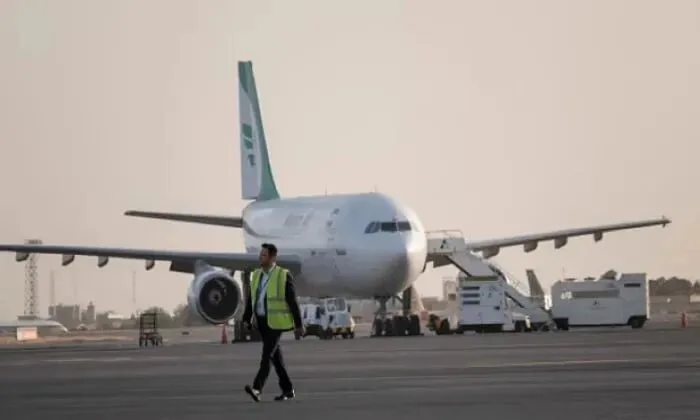
Iraqi officials have widely expressed concern about the consequences of Baghdad's recent decision to close Iraq's airspace to Iranian flights. This decision, made under U.S. pressure, could have serious repercussions for the economic and political relations between Iraq and Iran.
Response to Foreign Pressures
Baghdad has closed its airspace to Iranian flights to show solidarity with the United States and counter Iran's influence in the region. This action comes at a time when economic relations between the two countries are expanding due to mutual dependencies. Many Iraqi officials view this decision as a negative step for their country's economy, believing it could lead to a reduction in trade and travel exchanges.
Read more: Iraqis Gather in Protest Against Iran's Air Blockade
Economic and Political Impacts on Iraq
Criticism from Iraqi officials regarding this decision has been widely published. Many emphasize that closing the airspace not only harms trade relations but could also lead to increased travel and transportation costs. Iraqi airports, which are heavily reliant on Iranian flights, may face a severe decline in air traffic.
Additionally, some political analysts warn that this decision could lead to public discontent and negatively impact the country's political stability. Given Iran's influence in Iraq, many Iraqis believe this action is not in the interest of their people and may lead to new tensions between the two countries.
Meanwhile, officials such as Nouri al-Maliki, the former Prime Minister of Iraq, have criticized this decision, deeming it contrary to Iraq's national interests. According to him, this action not only harms Iraq's economy but could also lead to further tensions in relations with neighboring countries.
Concerns About the Future of Iran-Iraq Relations
Closing the airspace may have long-term consequences for Iran-Iraq relations. Experts believe this decision could lead to a reduction in economic and cultural cooperation between the two countries. Historically and culturally, Iran and Iraq have been close, and this decision could affect those relations.
Ultimately, this issue reflects the complexities of regional policies and their impacts on the daily lives of people. Given the economic and political dependencies between Iran and Iraq, closing the airspace may lead to new crises whose repercussions will extend beyond the borders of these two countries.
Read more: The United States Has No Plans to Sell Weapons to China · Seyed Ali Arzandeh: The Ban on Agricultural Exports is a Rash Decision