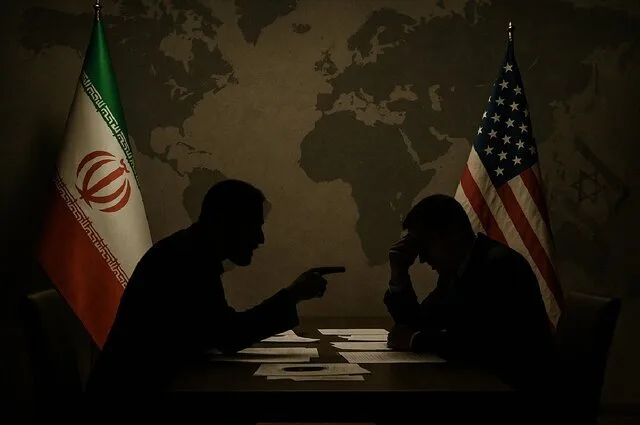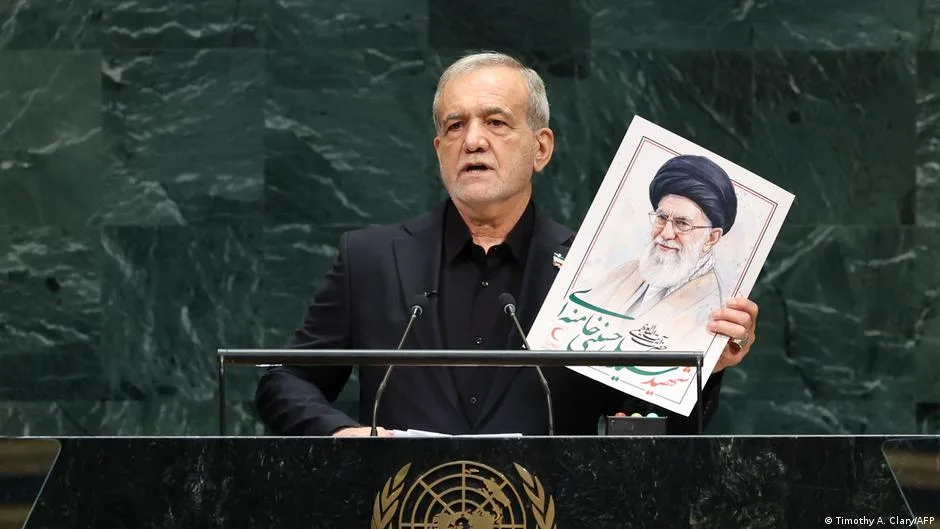
Massoud Pezeshkian, the President of Iran, stated in an interview with "Face the Nation" on CBS that the Islamic Republic is in no way seeking to build nuclear weapons and emphasized that according to the fatwa of Ali Khamenei, the construction of such weapons has been declared forbidden.
Forbidden Fatwa and Its Consequences
Pezeshkian clarified that this prohibition has not only a legal aspect but is also a "belief ruling." According to him, even if individuals in Iran desire to build nuclear weapons, they will not be allowed to proceed in this direction based on this fatwa. These statements come at a time when some officials of the Islamic Republic have raised the possibility of a "change in nuclear doctrine."
Read more: Motorcyclists sacrificing their lives for Iran took to the streets on Friday
Nuclear Negotiations and Inspections
The President of Iran also noted that Iran is ready to negotiate about its nuclear program and inspections by the International Atomic Energy Agency within the framework of the Nuclear Non-Proliferation Treaty (NPT). He also conditioned this issue on reaching a new framework in negotiations.
In this context, Kamran Ghazanfari, a representative of the twelfth parliament, stated on September 20 that if conditions progress in a way that the existence of the Islamic Republic faces serious danger, there is a possibility of the leader entering the issue of nuclear weapons.
Iran's Positions in the International Arena
Pezeshkian emphasized in part of his interview that Tehran does not seek to continue the war and conditioned the reopening of the Strait of Hormuz on the acceptance of Iran's phased proposal by the United States. He presented this proposal based on an agreement drafted in June 2026 in Pakistan and stated that implementing this proposal could create a basis for negotiations regarding the end of the war and Iran's nuclear program.
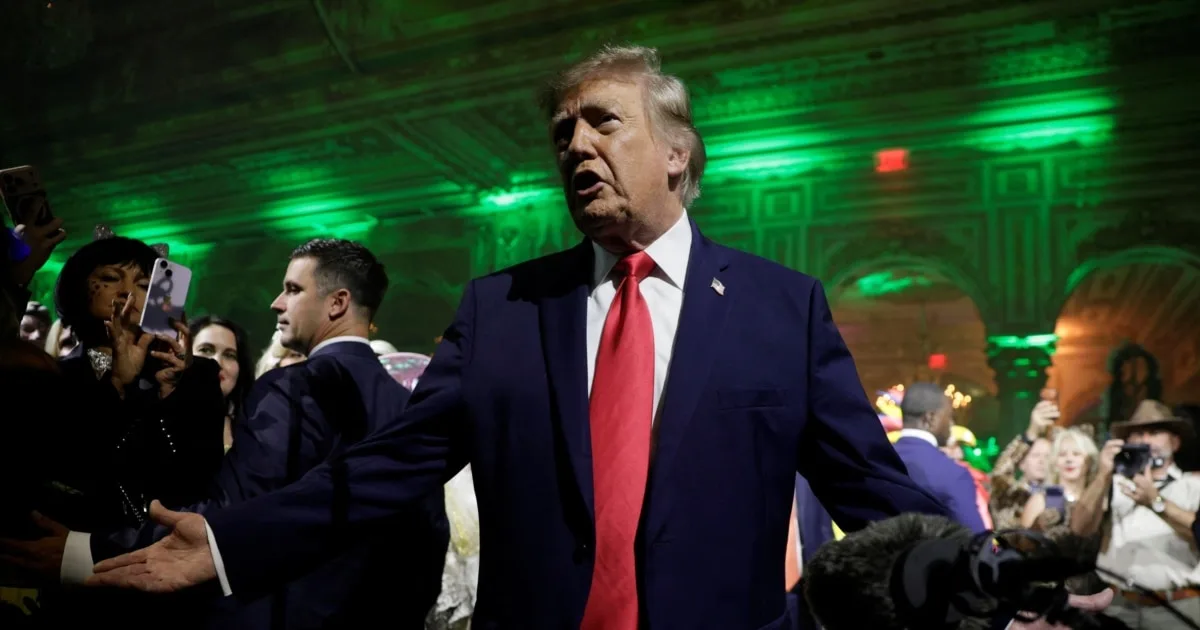
Pezeshkian also considered distrust of Washington as the main obstacle to direct dialogue and stated that as long as Washington does not adhere to its written commitments and does not show that it is not seeking "regime change in Iran," he will not meet with Donald Trump.
Iran's Advisory Team and Diplomacy
He also referred to his meetings with Mojtaba Khamenei, the leader of the Islamic Republic, and stated that decisions related to diplomacy are made in coordination with him. According to Pezeshkian, a six-member team from various institutions, including security forces, parliament, and government, consults and makes decisions on Iran's political issues.
In recent developments, France is preparing a draft resolution in the United Nations Security Council to support freedom of navigation in the Strait of Hormuz. The Strait of Hormuz, as a strategic waterway, plays an important role in global transportation and the security of food and energy.
Finally, Mohammad Saleh Jokar, the head of the Internal Affairs and Councils Commission of the Islamic Consultative Assembly, also emphasized that Iran will not retreat from 60% uranium enrichment and considers this enrichment a "legitimate right of the Iranian people."
Read more: Deadly bus overturn on the Hamadan-Saveh highway with 11 killed · Gharibabadi: A soldier is a symbol of responsibility and steadfastness for the homeland