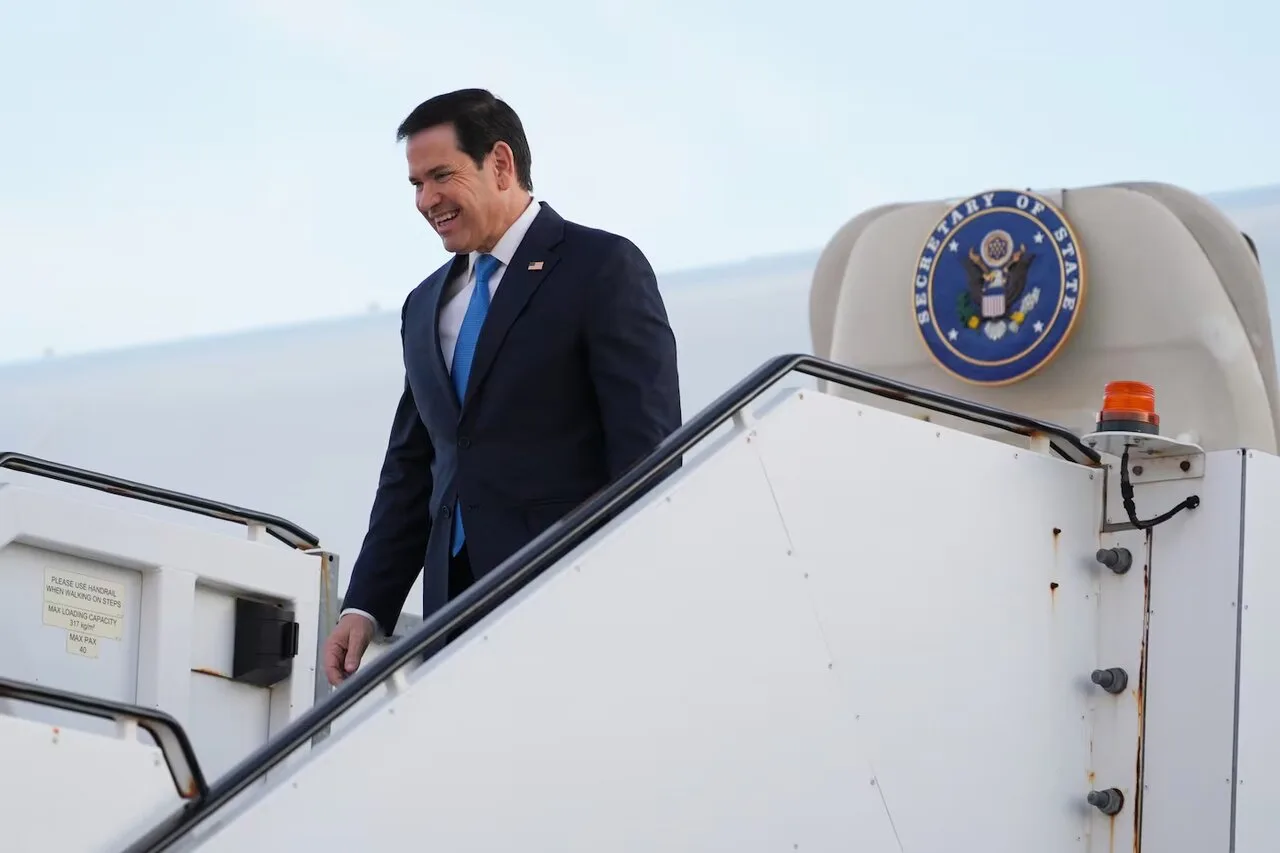
Marco Rubio, the senator from Florida, began his tour to three countries - Portugal, Greece, and Iceland - by arriving in Iceland amid growing concerns about the United States' ambitions in the Arctic. This trip takes place as recent developments in U.S. foreign policy have drawn significant attention.
Concerns Over Trump's Ambitions
The previous U.S. administration under Donald Trump paid special attention to the Arctic and its natural resources. This region is recognized as one of the important sources of energy and climate in the future, which is why various countries, including China and Russia, are focused on it. However, Trump's actions in this regard faced much criticism, and many analysts believe that these policies could lead to increased tensions in the region.
Read more: Yemeni missile attack on Aramco facilities in Jeddah
In his speeches, Marco Rubio has emphasized the importance of safeguarding U.S. interests in this region and the necessity of cooperating with allies to address upcoming challenges. He particularly stresses the importance of collaboration with NATO regarding security and stability in the Arctic.
Trip to Iceland and Its Implications
Iceland, as a NATO member and due to its geographical position in the North Atlantic, holds special significance. During this trip, Rubio will meet with Icelandic officials to discuss defense and economic cooperation.
This trip could strengthen relations between the United States and Iceland, as well as with other NATO countries. While concerns over Trump's ambitions in the Arctic continue, Rubio's trip may signal a shift in U.S. foreign policy and provide an opportunity for greater solidarity against common threats.
Overall, Marco Rubio's trip to Iceland is seen not only as a diplomatic event but also as a key step towards enhancing security and international cooperation in the Arctic region. This trip could help clarify the future of U.S. relations with NATO countries and other global players and emphasize the long-term impacts of U.S. policies in this area.
Read more: Turkey decides to release 4,500 PKK forces · Ulyanov: NATO Secretary General has no information about Iran's nuclear program