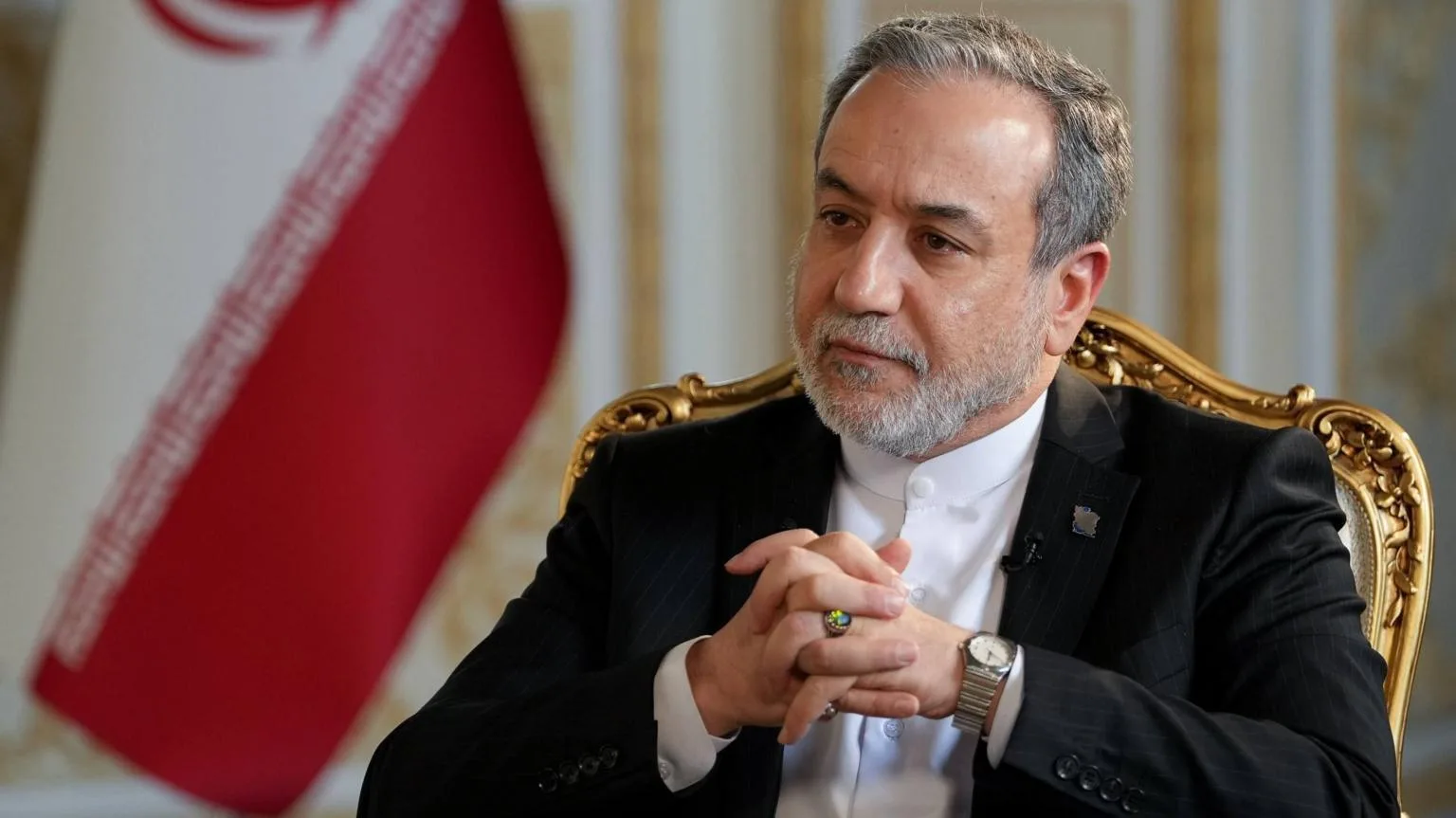
Mahdi Mohammadi Baknazr, spokesperson for the National Tax Administration, pointed out the existing ambiguities in the area of cryptocurrency taxation, stating that economic activities in this field are subject to the country's tax system and individuals and companies active in this area must pay the relevant taxes.
What types of taxes exist on cryptocurrencies?
Mohammadi Baknazr explained that three types of taxes should be distinguished in this area: income tax for economic actors, value-added tax on goods and services related to cryptocurrencies, and capital gains tax from cryptocurrency transactions. According to Articles 93 and 94 of the Direct Taxation Law, income derived from economic activities in the cryptocurrency field is subject to business income tax.
Read more: The decrease in the price of the Iraqi dinar to 174.3 tomans
He also noted that legal entities active in this field, such as cryptocurrency exchange service providers, are subject to corporate income tax based on Article 105 of the law. Mohammadi Baknazr emphasized that income tax is based on taxable income and not merely on the total financial turnover or transaction value.
Status of Tax on Speculation and Trading
One significant development in this area is the approval of the tax law on speculation and trading in 1404. Mohammadi Baknazr explained that collecting capital gains tax from cryptocurrency transactions requires the establishment of an executive framework, which is likely to begin in Ordibehesht 1406. Therefore, the approval of the law does not mean the commencement of collecting this tax.
According to Article 46 of the Direct Taxation Law, various crypto-assets, cryptocurrencies, and digital currencies, except for the Islamic Republic of Iran's Rial, are explicitly listed among the assets subject to capital gains tax. However, the sale of cryptocurrencies by non-commercial individuals to commercial entities is exempt from capital gains tax.
Value-Added Tax on Cryptocurrencies
Mohammadi Baknazr differentiated between the transaction of the cryptocurrency itself and the services provided by market participants. According to Article 2 of the Value-Added Tax Law, the supply of goods and services is generally subject to this law unless there is a legal exemption. Therefore, the fees charged by cryptocurrency exchange platforms may be subject to value-added tax.
He also emphasized that value-added tax does not apply to the total amount of cryptocurrency transactions and the nature of the transaction and its legal basis must be examined. For example, if an individual purchases cryptocurrency worth one hundred million tomans, only the specific amount that the platform charges for transaction services will be subject to value-added tax.
Thus, based on Mahdi Mohammadi Baknazr's explanations, it can be concluded that participants in the cryptocurrency field must pay attention to the relevant tax laws, and since this area is rapidly expanding, a proper understanding of tax regulations can help them better manage their economic activities.
Read more: Significant increase in Brent oil price to $116.35 · Residents of Maysan Province in Iraq protest the closure of the Chazabeh crossing