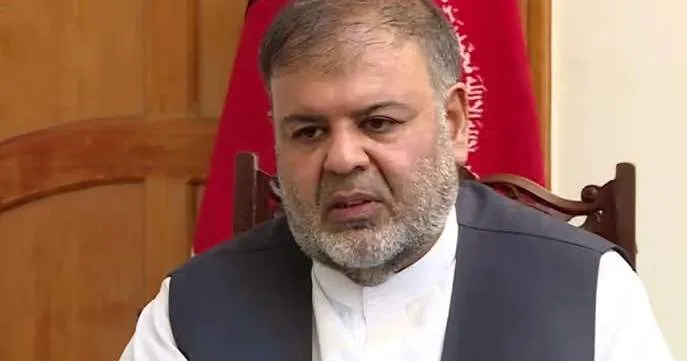
Karim Khurram, an international affairs analyst, recently spoke about the impact of the recent US elections on the situation in Afghanistan, Iran, and Ukraine. In this context, an analytical publication reported that China has downgraded the position of this administration in its relations to that of a regular trading partner due to increasing disagreements with the Taliban.
Disagreements between China and the Taliban
According to this report, the Communist Party of China has not yet officially announced this decision in order to prevent political and media backlash. Vladimir Putin, the President of Russia, is considering revoking Moscow's decision to recognize the Taliban at the request of Xi Jinping, the President of China. The aim of this action is said to be to increase pressure on the Taliban.
Read more: Trump Administration and the Sudden Decision to Halt Security Aid to Israel
Leaders of China and Russia have concluded that the Taliban is only pursuing its own interests and cannot be compelled to change its positions. China's dissatisfaction primarily stems from the Taliban's refusal to hand over Uyghur refugees to this country and the cancellation of contracts with several Chinese investors.
Fruitless Mediation
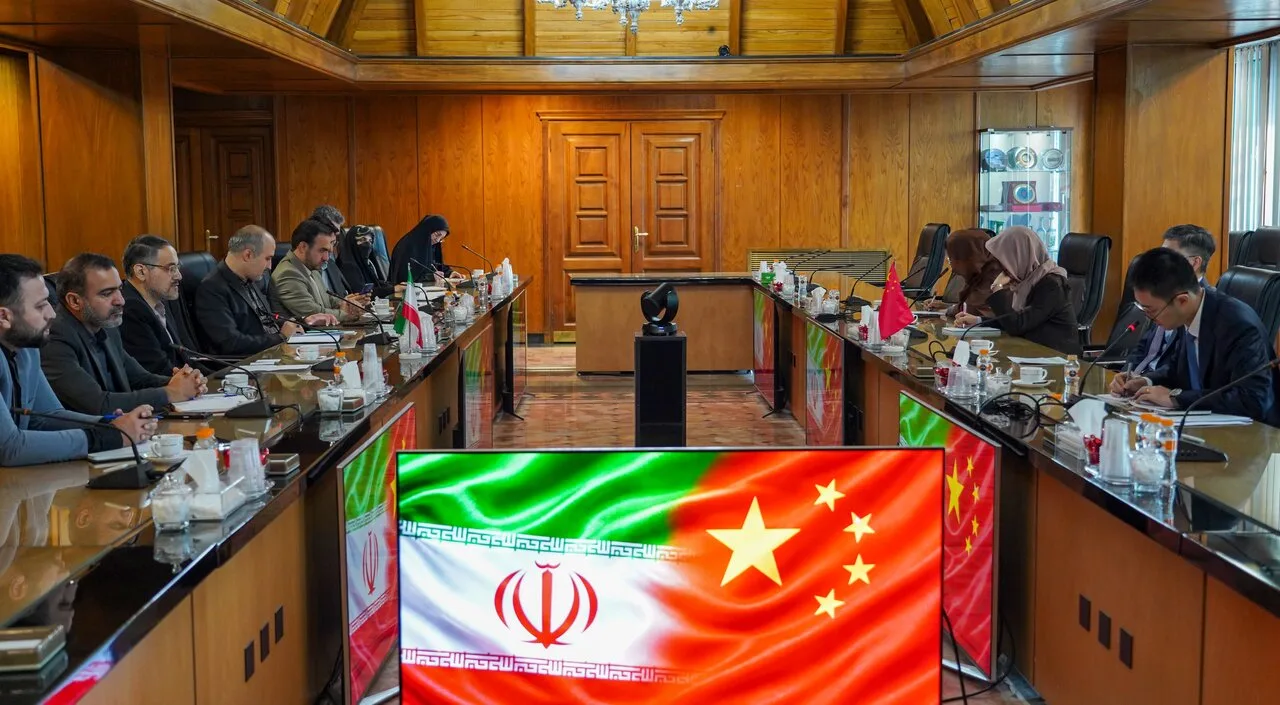
China's efforts to mediate between the Taliban and Pakistan have not led to a reduction in tensions. The Communist Party of China and the Ministry of State Security of this country have held several rounds of trilateral meetings in recent months with the participation of academics, military personnel, and officials from China, Pakistan, and the Taliban, but no results have been achieved.
From March 12 to 18, China hosted delegations from the Taliban and Pakistan in Urumqi, the capital of the Xinjiang region. However, Afghan and Pakistani sources have told this publication that China is not recognized as an effective mediator in the region and does not offer specific economic incentives to encourage cooperation.
The Wakhan Corridor project in northeastern Afghanistan has also become one of the main points of contention between Beijing and the Taliban. In addition to the commercial interests of this route, China is also concerned about its role in securing its western borders.
According to reports, Beijing had set three conditions for investment in this project until February 2025, but the Taliban did not accept any of these conditions. As a result, the Taliban decided to proceed with the project without China's participation and has financed the €5.5 million cost from its own resources.
Despite these disagreements, cooperation between China and the Taliban continues in some areas. Sources in Afghanistan have reported that Huawei Technology Company is still covertly providing surveillance cameras to the Taliban. The sale of this equipment remains profitable for Chinese companies.
Read more: Trump: A Major Security Agreement to Resolve the Russia-Ukraine War is Near · China Holds Sanae Takaiichi Responsible for the Deterioration of Tokyo-Beijing Relations