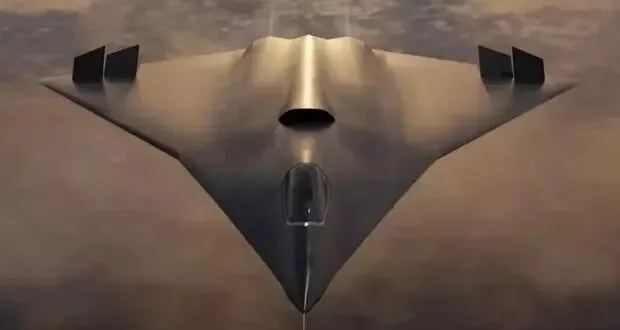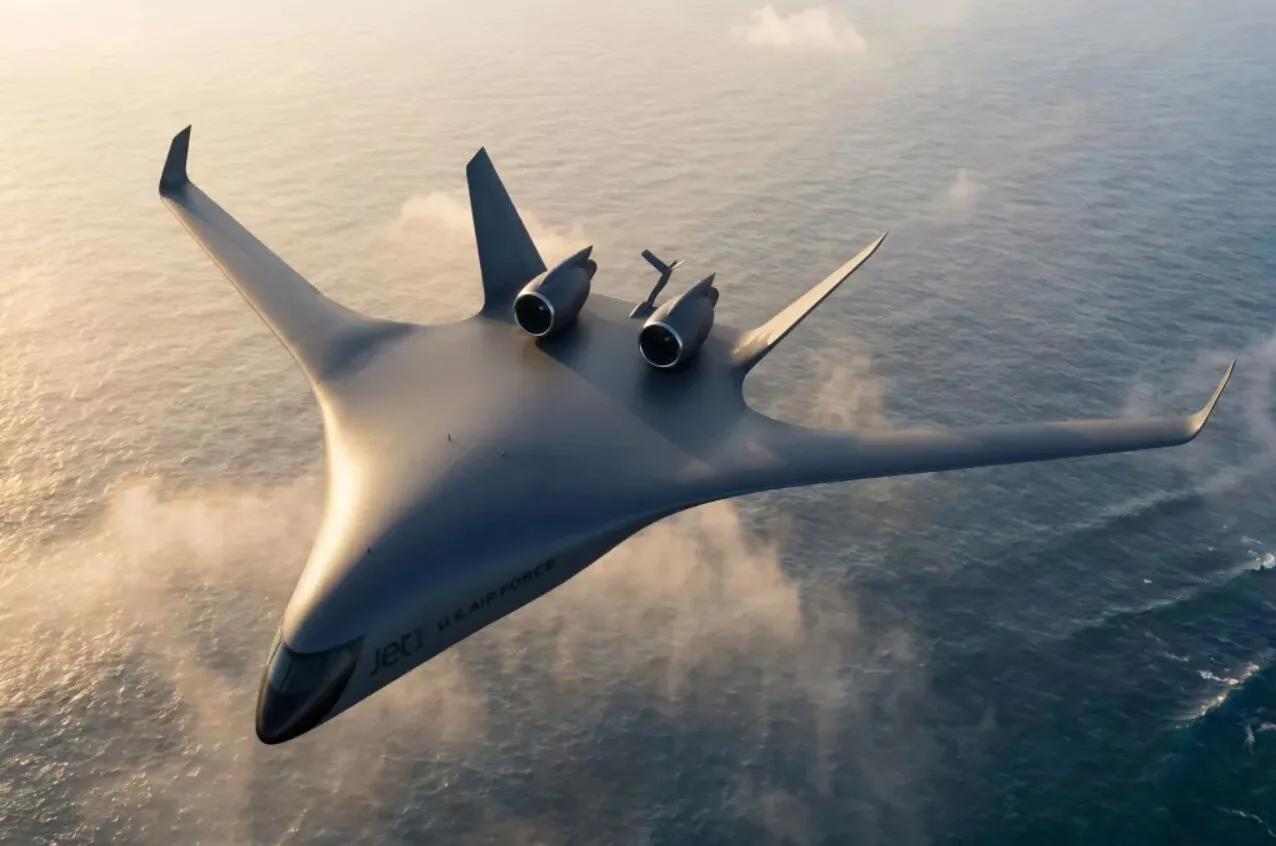
JetZero has rethought the traditional design of passenger airplanes with the unveiling of its new generation of aircraft. In this innovative design, the fuselage and wings are integrated, and most cabin windows have been removed.
Removal of Windows and Creation of More Space
One of the prominent features of this airplane is the removal of windows in most parts of the cabin. This change can not only reduce the weight of the structure but also provide more space for interior design. According to JetZero, only a limited number of windows will remain at the front, and instead of traditional windows, high-definition displays in other parts of the cabin will show passengers images of the outside environment or video content.
Read more: Tesla Unveils New Generation of Roadster Sports Car
Reduction in Fuel Consumption and Operational Costs
The cabin design differs from conventional airplanes, and the wider interior space and lower fuselage height help create separate sections and larger seats. Additionally, a compartment for each passenger to store carry-on luggage above the seat has been considered.
JetZero claims that the integrated fuselage and wing design can reduce fuel consumption and carbon dioxide emissions by up to 50% compared to conventional airplanes. Furthermore, relocating the engines to the rear of the aircraft and improving airflow are among the strategies employed to reduce drag and increase efficiency.
Mark Page, founder of JetZero, has emphasized the importance of fuel costs for airlines, stating that this design could significantly reduce operational expenses.
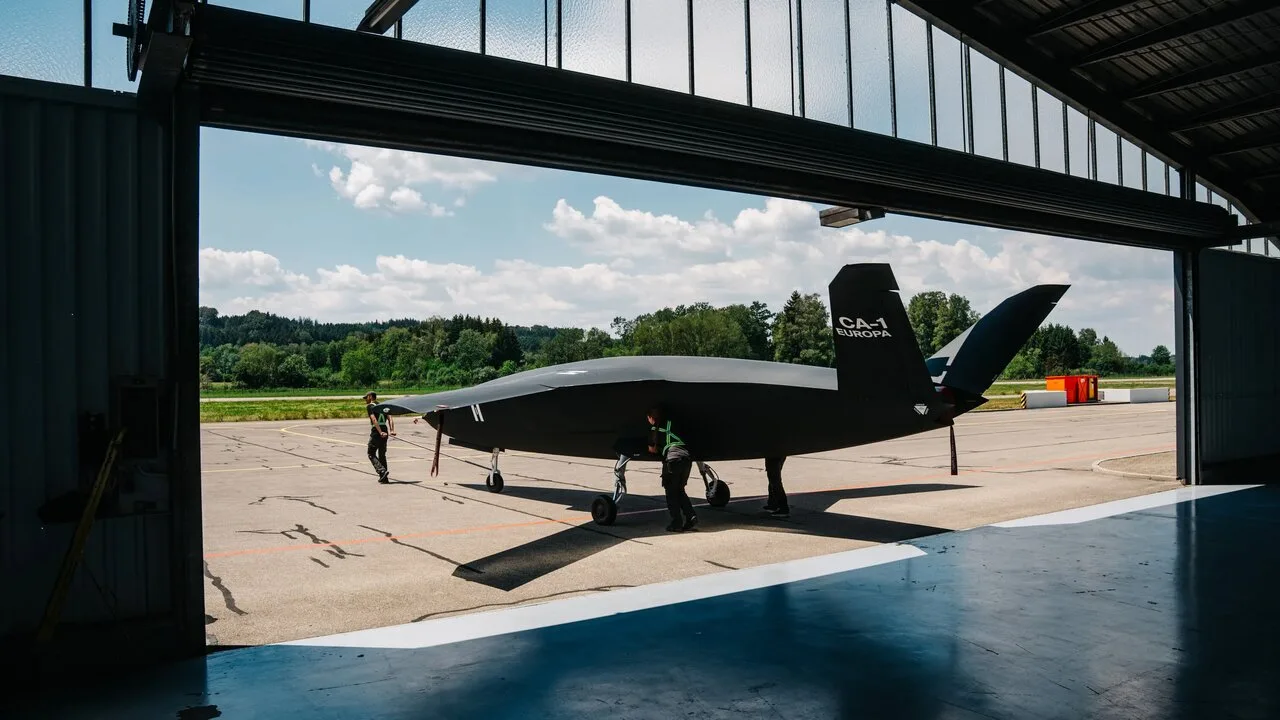
JetZero has previously conducted tests with smaller airplanes and claims that these prototypes have completed over 30 flights. The company also has an agreement with the Export-Import Bank of the United States in July 2026 to explore potential financing of up to $3 billion for building a factory in North Carolina.
The first test flight of the Z4 model is scheduled for 2027, and it is hoped that this airplane will enter commercial service in the early 2030s. About 20 airlines, including Delta and Alaska Airlines, have supported this design, and United Airlines intends to purchase up to 200 of these aircraft if performance goals are met.
However, the entry of the Z4 into the commercial fleet depends on the success of flight tests, regulatory approvals, and proving its performance in real-world conditions.
Read more: SpaceX Conducted a Secret Mission for the U.S. Space Force · Google Introduced a New Tool for Detecting AI-Generated Content