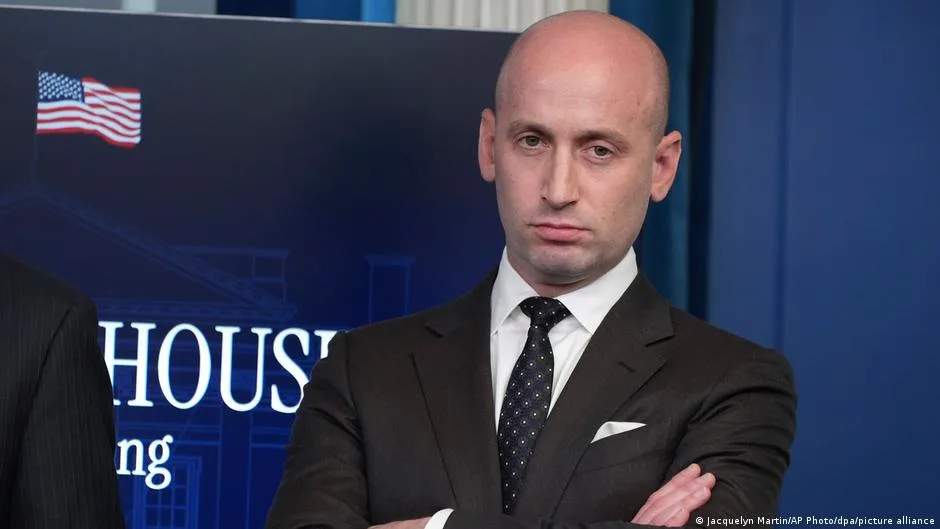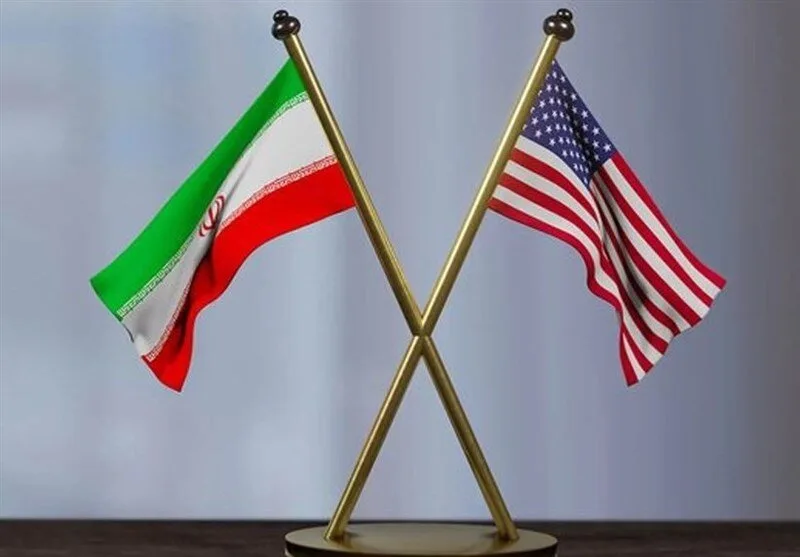
JD Vance, former Vice President of the United States, has been appointed as the main person responsible for diplomatic efforts for a new agreement with Iran. He takes on this responsibility at a time when the Republican Party is facing serious challenges due to public dissatisfaction in the recent elections.
High-Level Diplomatic Efforts
Vance's active participation indicates that he is personally seeking to withdraw the United States from a dispute that is recognized as one of the main factors behind the Republican Party's heavy losses in the recent elections. In this context, intelligence sources from American and regional officials report that Donald Trump is willing to give diplomatic efforts a chance to see if reaching some kind of agreement with Iran is possible. In this regard, Trump said on Friday in response to a question about his message to Iran, "We are talking to them."
Read more: Explosion on Tanker in Strait of Hormuz Puts Lives at Risk
Daily Talks and Mediations
According to obtained information, JD Vance has been in almost daily discussions with Sheikh Mohammed bin Abdulrahman Al Thani, Prime Minister of Qatar, and General Asim Munir, Commander of the Pakistan Army, and other mediators regarding negotiations with Iran. In this process, Steve Witkoff, a White House representative, and Jared Kushner, advisor and son-in-law of Donald Trump, are also involved.
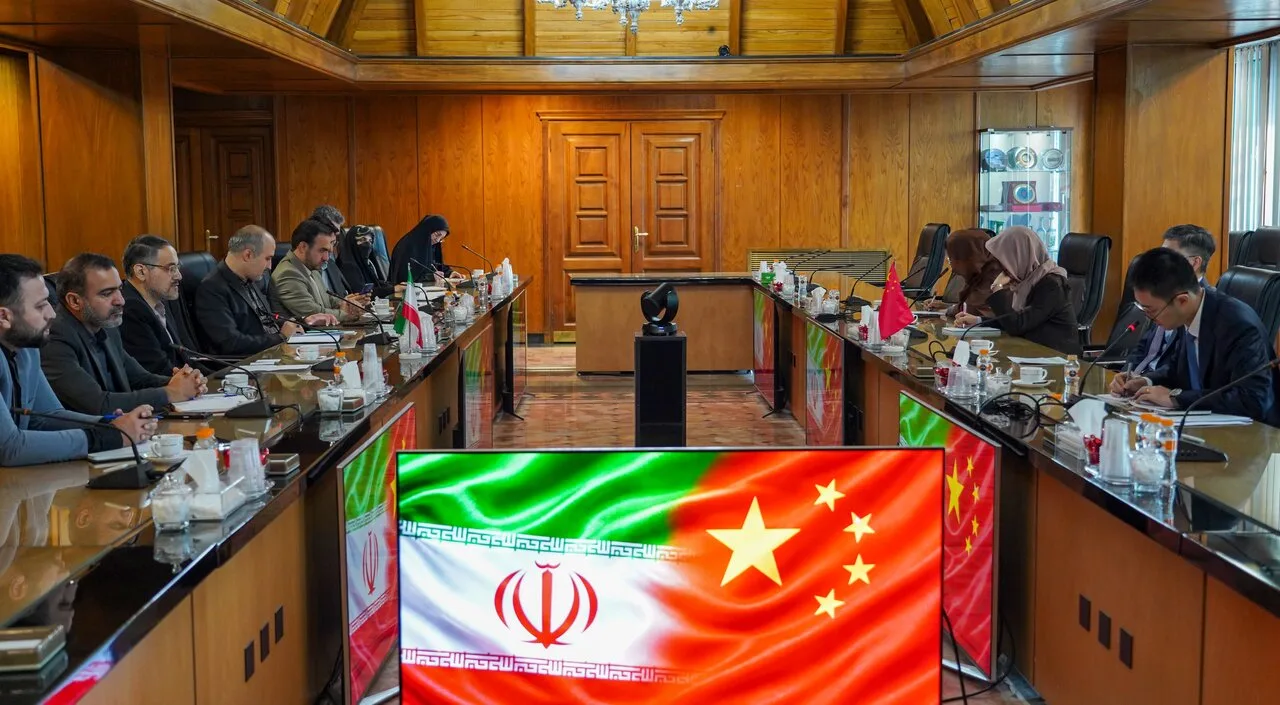
According to informed sources, Vance and the Qatari and Pakistani mediators are considering the possibility of holding a technical meeting at the expert level between the United States and Iran in the coming days. If this meeting occurs, it could provide an opportunity for discussion and exchange of views on key issues and improving relations between the two countries.
While these efforts are underway, concerns about the potential consequences of any agreement or disagreement between the United States and Iran remain. An agreement that, if successful, could pave the way for positive changes in the relations between the two countries and also have impacts on regional stability.
It seems that these negotiations could be decisive, and as tensions in the Middle East remain high, their success or failure could have profound effects on U.S. foreign policies as well as on security and stability in the region.
Read more: Trump Administration Conducts New Round of Limited Strikes on Iran · Tehran Awaits Practical Steps from Washington for Confidence-Building