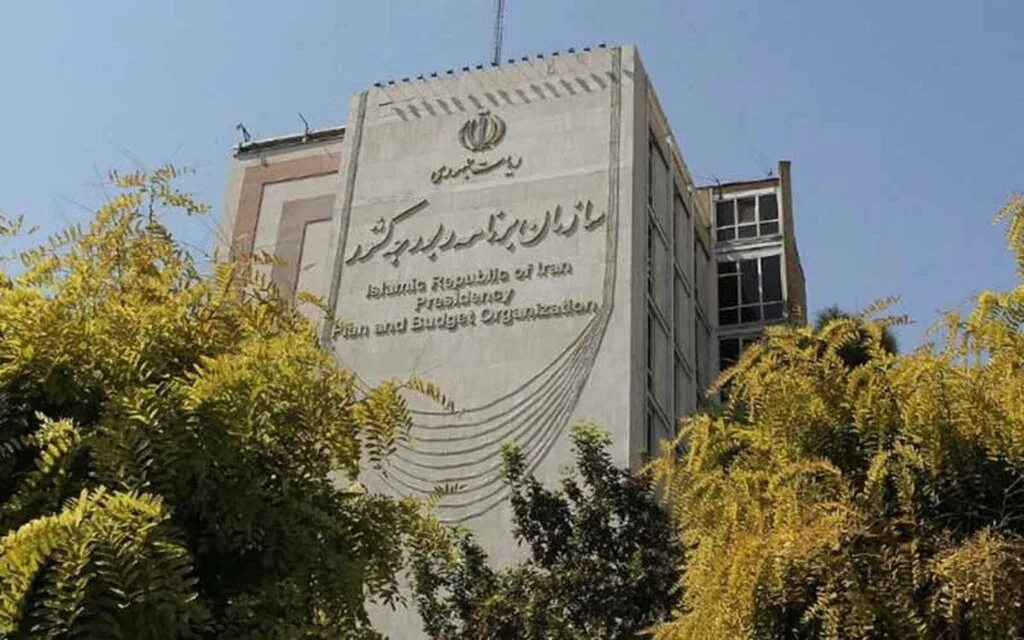
The issuance of the circular for the 1406 budget bill will take place soon. This circular serves as a roadmap for preparing the government's income and expenditure bill for the upcoming year, and after its issuance, executive agencies can submit their proposals for forecasting the revenues and expenses of the next year.
Details of the Circular Issuance
According to Mohammad Qasemi, Deputy for Program Coordination and Budget at the Organization for Planning and Budget, six meetings of the Budget Headquarters have been held so far. However, the specifications and details of this bill have not yet been fully determined and have not been discussed in the government's economic headquarters.
Read more: Severe Decline in Persian Gulf Stock Markets with Iran's Firm Stance
The Economic Council has approved the policies related to the budget, and these policies are now included in the budget circular. It is expected that the budget circular will soon be issued by the President after being approved by the government. Executive agencies can then send their proposals based on the framework provided in the circular to the Organization for Planning and Budget.
History of Budgeting in Iran
Iran has a 137-year history of modern budgeting. The first approved budget of the country was ratified in 1268 in the Persian calendar, and since then, the process of preparing and organizing the budget has continued uninterrupted. This indicates the importance and necessity of financial planning in managing the country, allowing the government to more accurately forecast and manage financial resources.
Given the economic changes and challenges facing the government, the timely issuance of this circular can assist executive agencies in achieving their financial and economic goals next year through appropriate planning. This is particularly important in the current situation where the country is facing economic difficulties.
Ultimately, it is expected that with the issuance of this circular, executive agencies will more accurately forecast revenues and expenses, which will help improve financial management in the country.
Read more: Iran's Oil Production Capacity Increased to 3 Million and 715 Thousand Barrels per Day · Household Income in Tehran is 721 Million Tomans and Expenses are 577 Million Tomans