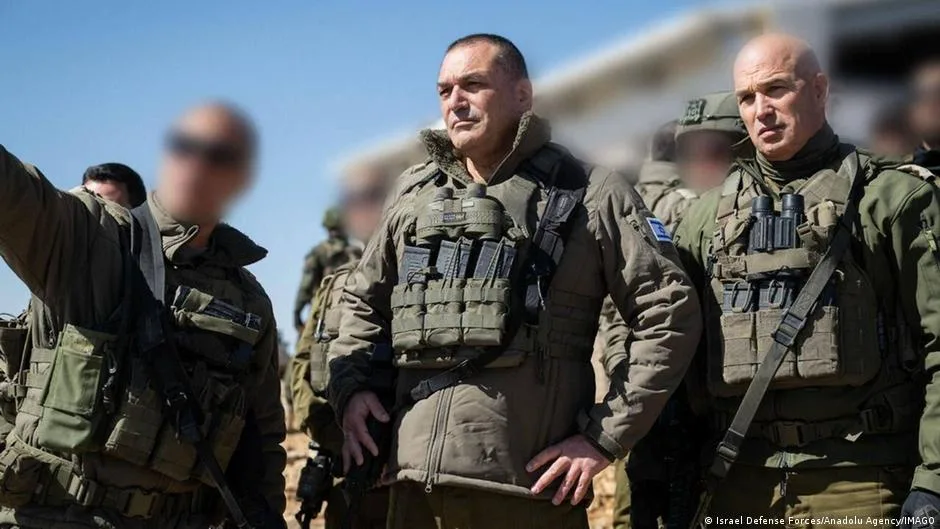
Eyal Zamir, the Chief of Staff of the Israeli Army, emphasized in a private meeting this week that there is currently no need for an attack on Iran before the Israeli parliamentary elections. He added that if the army concludes that military action is necessary, it will be carried out.
Election and Political Tensions
These statements come ahead of the Israeli parliamentary elections, which have garnered significant attention. Critics of Benjamin Netanyahu, the Prime Minister of Israel, accuse him of trying to influence the election outcome by resuming war with Iran. However, Netanyahu has denied these accusations and reiterated his determination to confront threats.
Read more: The Reflection of a Bulletproof Page on Donald Trump's Eyes in North Carolina
Gadi Eisenkot, leader of the Yashar party and Netanyahu's main rival, also stated in an interview with Israel's Channel 13 that there is no direct and immediate threat from Iran that justifies the necessity of war before the elections.
Military and Diplomatic Developments
Meanwhile, Iranian state television reported, citing the Navy of the Revolutionary Guards, an attack on seven oil tankers in the Strait of Hormuz. These events occur as the Revolutionary Guards have threatened that if the presence of U.S. ships in the Strait of Hormuz continues, the scope of conflicts will expand to U.S. bases in the region.
Abbas Araghchi, Iran's Foreign Minister, also noted in a statement Tehran's willingness to resolve conflicts peacefully while declaring Iran's full readiness to defend itself. He also pointed to the Trump administration's unwillingness to reach an agreement.
Iran has proposed that if the U.S. agrees to Tehran's conditions, the war would end and the Strait of Hormuz would be fully reopened within a week. These conditions include ending the blockade of Iranian ports and reducing restrictions on Iran's oil exports.
In contrast, the United States is sending more military equipment to the region. This unprecedented military presence in the Middle East includes a third aircraft carrier and thousands of military personnel. At the same time, mediators are trying to bring Tehran and Washington back to formal negotiations.
The agreement reached in June to end hostilities lasted only a few days and failed. Indirect contacts between the two sides continue, but reports indicate that the U.S. and Israel have prepared plans to resume military attacks against Iran after the U.S. midterm elections on November 3.
According to U.S. officials and informed sources, the two countries have increased their military exercises in anticipation of carrying out short but intense operations. Nuclear facilities, energy infrastructure, and Iran's missile and drone arsenals have been mentioned as potential targets.
Meanwhile, Netanyahu did not respond to reports about his discussions with Trump regarding the resumption of attacks on Iran, calling them "incorrect." This comes as Trump previously stated that the U.S. would not attack Iran before the midterm elections.
Read more: Trump: Ending the War with Iran Will Lower Oil Prices · Baghaei: Let's Call the Military Aggression of the U.S. and Israel Against Iran by Its Real Name