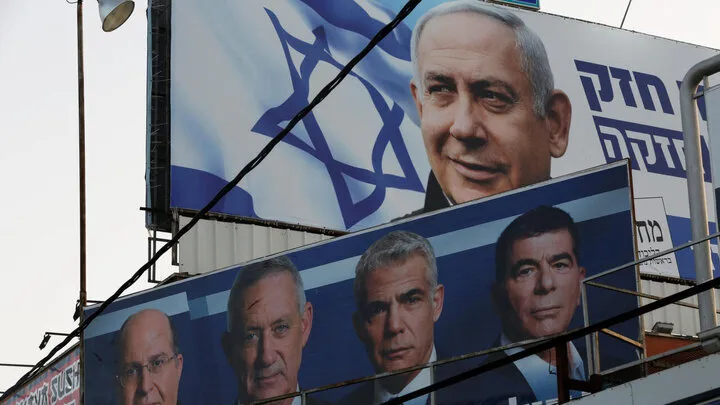
The results of the parliamentary elections of the Zionist regime (Knesset) indicate that the political crisis in the occupied territories is intensifying. With the release of new updates on the election results, the camp of Benjamin Netanyahu, the unpopular Prime Minister of the Zionist regime, has barely secured 52 seats, while at least 61 seats are needed to form a cabinet. In contrast, the rival camp led by Gadi Eisenkot has managed to win 49 seats.
Victory of Arab Representatives and Their Role in Political Equations
In this round of elections, the lists of Arab representatives in the Knesset have achieved an unprecedented performance, securing 19 seats. This victory not only reflects the increasing political influence of this group in the current complex equations but may also have a profound impact on future policymaking and alliances in Israel. However, it is essential to note that these results pose serious challenges for Netanyahu and his far-right coalition.
Read more: Pakistani Minister: Regional trade with Iran is affected by US military aggression
Haredim Alliance; A Sign of Netanyahu's Isolation
Reports also indicate that the Haredi parties (ultra-Orthodox Jews), traditionally known as allies of Netanyahu, have not ruled out cooperation with Gadi Eisenkot if he forms a cabinet. This shift in approach clearly indicates the complete collapse of the far-right coalition and further political isolation of Netanyahu following the regime's repeated military and security failures. This could lead to significant changes in Israel's political structure.
As each of these groups and coalitions seeks to gain more power and influence the country's political future, the continuation of this crisis could lead to greater instability in the region. This situation will not only affect Israel but the entire Middle East and may lead to serious changes in international relations.
Read more: Iraqi Government Spokesman: We will not be a party to any regional conflict · Elections Begin in Israel; Benjamin Netanyahu's Fate in the Hands of Voters