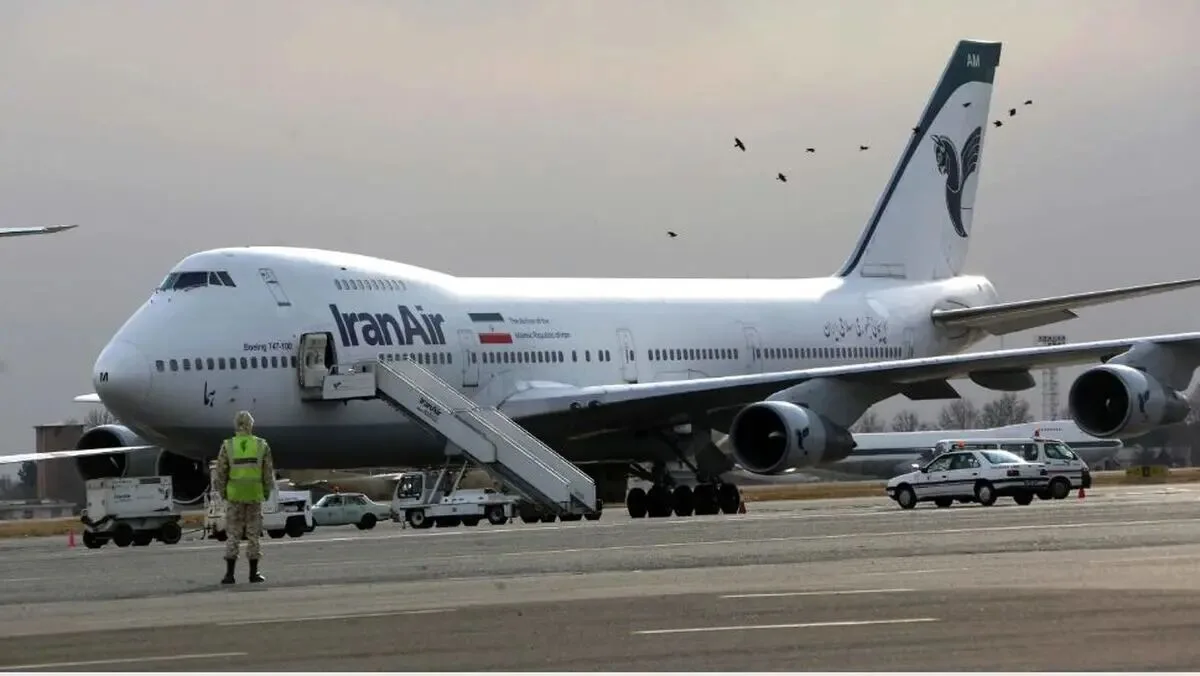
The agreement between Iraq and the US to resume flights of Iranian airlines to Najaf Airport is considered an important step towards facilitating the movement of pilgrims and travelers from Iran to this religious city. This agreement was signed especially after the negotiations of Fuad Hussein, Iraq's Foreign Minister, with Scott Pritchard, the US Treasury Secretary, in Washington, following which a daily cap of 40 flights for Iranian airlines was established.
Details of the Agreement and Its Impact on Pilgrims
According to this agreement, Iranian airlines Iran Air, Caspian, Taban, Aseman, and Qeshm Air are allowed to resume their flights to Najaf. However, Mahan Air is excluded from this exemption due to US sanctions since 2011 and allegations related to the transfer of personnel and equipment associated with the Islamic Revolutionary Guard Corps. These restrictions reflect the existing challenges in Iran-US relations and their impact on the aviation industry.
Read more: Complete destruction of Rajai Shahr prison and collapse of its tower
The new agreement will help improve the economic situation in Najaf and reduce the pressure caused by the halt of flights from Iran. Especially as Najaf is recognized as an important center for the movement of pilgrims, patients, and students, the resumption of flights can facilitate the movement of individuals.
Security Commitments and Future Outlook
This agreement has been signed in exchange for Baghdad's security and political commitments to Washington. The US has agreed to this limited exemption in return for Baghdad's commitment to the monopoly of weapons in the hands of the government and official institutions, as well as placing decision-making regarding war and peace in the hands of the government. These actions, especially on the eve of the millions of Shia pilgrimages, could play an important role in reducing tensions.
Ali Falah Al-Zaydi, the Prime Minister of Iraq, also emphasized the importance of this agreement, highlighting the need to facilitate the movement of travelers and support humanitarian, medical, and educational activities. Additionally, this agreement is recognized as a temporary measure, and its continuation depends on the parties' adherence to the flight cap and security commitments.
This exemption only includes Najaf Airport, and US restrictions at Baghdad, Erbil, and Sulaymaniyah airports remain in place. Given the current economic and social conditions, this agreement could help improve the situation for pilgrims and travelers from Iran to Najaf.
Read more: A new wave of rain will cover 23 provinces and Tehran will be rainy · Qalibaf specified the time for reopening the Strait of Hormuz