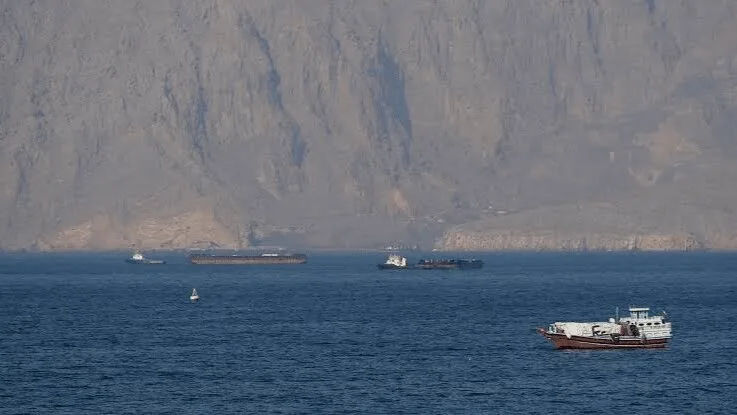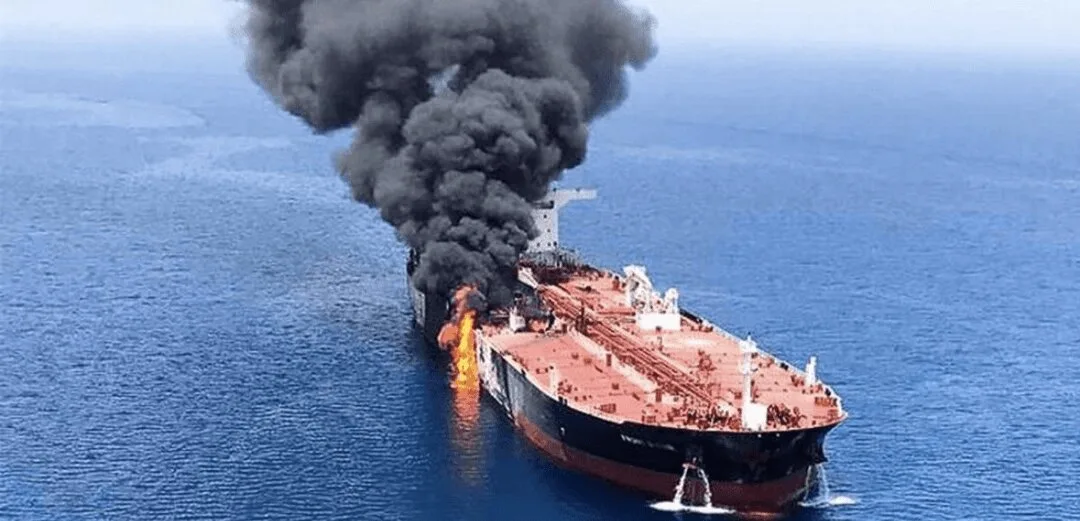
Iran's unprecedented attacks on ships in the Strait of Hormuz have raised serious concerns for maritime security and the oil market. On Sunday, six violating ships were attacked in this strait, indicating a peak in tensions in the region. These incidents occur at a time when, in the two weeks leading up to October 11, 24 ships have been damaged due to these attacks.
Increase in Attacks and Decrease in Oil Loading
According to provided information, oil shipments through the Strait of Hormuz on October 11 dropped to only 2.9 million barrels. This figure represents the lowest daily loading amount this month and indicates the direct impacts of these attacks on the oil market. Experts believe that this decrease may be due to rising tensions and fears of further attacks.
Read more: Naftali Bennett and Itamar Ben-Gvir in a heated power dispute
Factors Intensifying Tensions
This escalation of tensions occurs amid increased Iranian attacks on ships passing through the southern route, as well as U.S. military operations to impose a maritime blockade on Iran. This situation not only affects maritime security but could also impact global oil prices. Analysts believe that the continuation of this trend could lead to further crises on an international level.
Given that the Strait of Hormuz is one of the most important oil transit routes in the world, any disruption in the security of this area could have severe consequences for the global economy. In this context, other countries are closely monitoring these developments to adopt necessary measures to counter these threats.
Read more: Injury of four people in Riyadh due to the fall of cruise missile debris · Ismail Baqai: The security of the Strait of Hormuz depends on U.S. actions