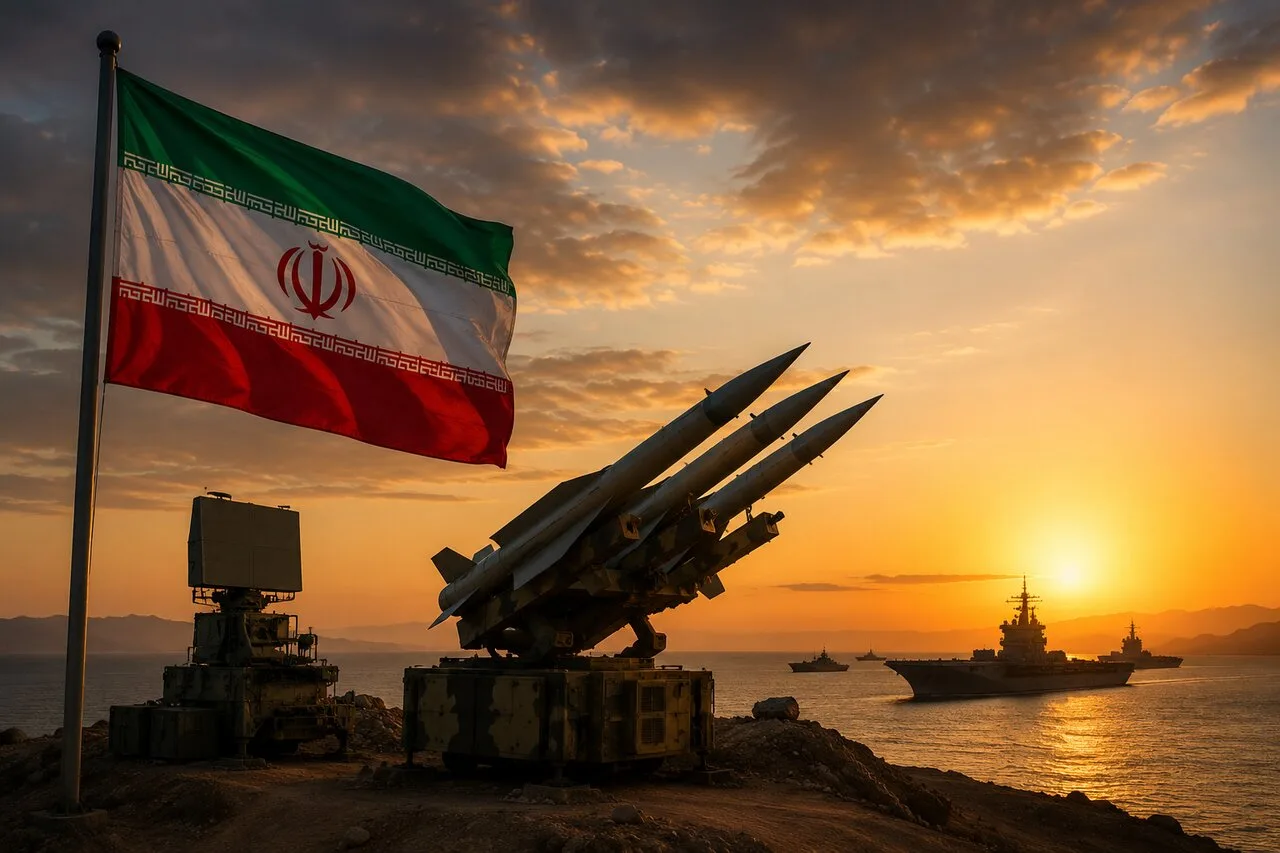
Iran's attacks on ships in the Strait of Hormuz are clearly on the rise. From September 28 to October 8, the UK Maritime Trade Organization reported that at least 15 oil tankers have been attacked. This unprecedented increase in attacks is concerning and will have significant implications for maritime security in this sensitive region.
Change in Iran's Tactics
Transport and energy security analyst, Bert Erikson, comments on this situation, noting a new pattern in Iran's attacks. He acknowledges that the country is targeting ships with high speed and intensity. As a result, the United States and the UK Maritime Operations Center have had to publish reports on these attacks at longer intervals. This issue, due to the high volume of targeted ships in a short time frame, carries heavy media and operational repercussions.
Read more: Nidal Hasan, the Fort Hood Shooter, Sentenced to Death
Expansion of Attack Range
In one of the recent attacks, a ship was targeted deep in the Gulf of Oman, just a few miles from a ship-to-ship transfer location. This area is crucial for commercial activities along the Omani route. Erikson believes that these attacks are continuing not only in the Strait of Hormuz but also in the Gulf of Oman and near the shores of Qatar. This expansion of attack range indicates a change in Iran's operational methods that could seriously undermine regional maritime security.
These developments occur as maritime transport security in this strategic area is at risk, and various countries must seek solutions to address these threats. Tracking these attacks has also become very difficult due to their speed and frequency. Therefore, it can be expected that this situation will not only impact energy security in the future but also increase tensions at the international level.
Read more: New Iranian Proposals for Ending the War Announced by Vladimir Putin · Likelihood of U.S. Military Attacks on Iran and Israel's Role in the War