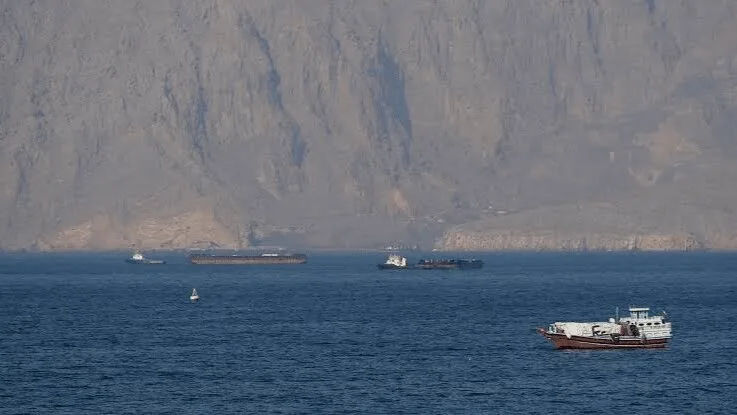
The Iran War, ahead of the U.S. midterm elections, has caused fundamental changes in the political landscape of the Republican Party and the distancing of candidates from Donald Trump. Susan B. Glasser, a renowned journalist, has addressed this issue in a report and examines the challenges facing Republicans at this time.
Increasing Concerns and Consecutive Crises
According to Glasser, Trump's recent speech at the United Nations General Assembly, threatening to "destroy" the Islamic Republic, could have been impactful under normal circumstances, but the President's repeated controversies have caused these statements to be quickly forgotten. Meanwhile, Trump's popularity has sharply declined, putting the Republican Party at risk of electoral defeat. Only 25% of Americans approve of his performance in the Iran War, while this figure was about one-third at the beginning of the war.
Read more: Iraqi Representatives' Opposition to Restrictions on Iranian Flights and Its Consequences
Candidates Distancing from Trump
Republican candidates, especially in states like Michigan and Iowa, have clearly distanced themselves from Trump and called for an immediate end to the Iran War. Mike Rogers, the Republican candidate from Michigan, has pointed to families and stated that a quick end to the war could help reduce living costs. Ashley Hinson, the Republican candidate from Iowa, has also called for a "successful and immediate end" to the war.
This distancing is not limited to war issues. Maria Elvira Salazar, the Republican representative from Florida, criticized Trump over immigration problems in a campaign ad and spoke of the feelings of betrayal among Latinos towards him. These developments indicate that even in seemingly safe areas, Republicans are concerned about the consequences of Trump's policies.
As Trump's popularity has fallen to a historic low, political experts, including Doug Sosnik and Dave Winston, believe that the Republican Party is losing electoral opportunities. Although Democrats need to gain four net seats to take control of the Senate, signs indicate that the elections are moving towards rejecting Republicans.
Politicians distancing themselves from an unpopular president ahead of elections is not a new phenomenon, but what is different this time is the Republican Party's structure, which has become heavily dependent on Trump's personality. Signs of erosion in the loyal "MAGA" base are also clearly visible.
Read more: Iraq's Negotiation with the U.S. for Exemption of Some Airports from Iranian Flight Restrictions · Netanyahu Will Not Meet Trump in New York