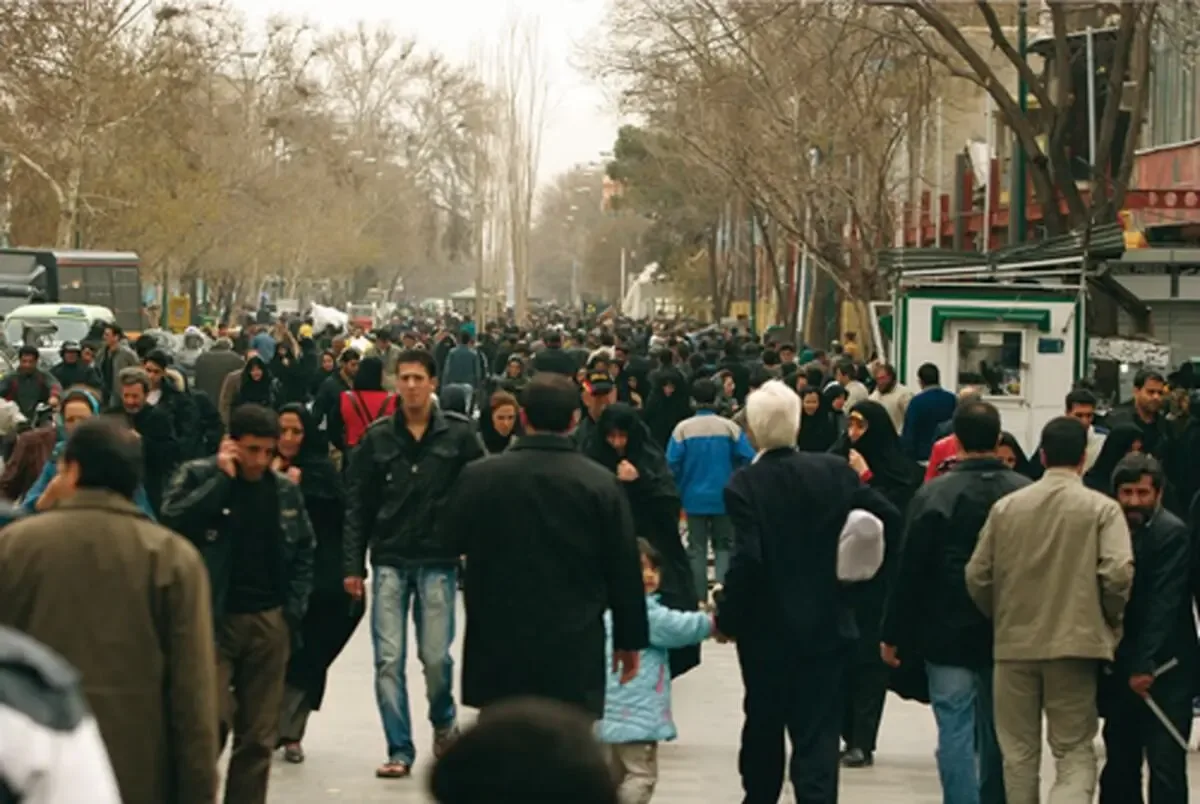
Despite having extensive energy resources, an educated workforce, and industrial infrastructure, Iran has ranked 116th in the latest assessment of the Legatum Prosperity Index. This ranking is lower than Iran's historical average performance in this index and indicates deep challenges in converting potential capacities into public welfare.
Comprehensive Assessment of the Prosperity Index
The Legatum Prosperity Index does not merely focus on income or gross domestic product; it considers a range of economic, social, institutional, and political factors in its evaluation. In the new methodology of this index, the status of countries is examined in three realms: "Development," "Freedom," and "Society," encompassing a total of 10 pillars and over 150 indicators. Based on this assessment, Iran's best recorded position in this index was 102nd, and its worst position was 132nd, with an average ranking of 113 during the reviewed period.
Iran's 116th rank in this index highlights the gap between the country's potential capacities and the extent to which these capacities are converted into tangible welfare for citizens. This gap cannot simply be explained by the amount of natural resources or the size of the economy; it is also related to the performance of economic and social institutions.
Key Challenges in Converting Resources to Welfare
Why have Iran's resources not been converted into public welfare? Despite significant oil and gas reserves, an educated workforce, and industrial infrastructure, there are still factors preventing the realization of public welfare. Inflation, declining purchasing power, economic uncertainty, and business difficulties are among the challenges that particularly affect the quality of life of citizens.
Jafar Khairkhah, an economist, believes that the country's situation cannot be explained solely by a lack of resources. He points out that having capacity differs from benefiting from welfare. In his view, the Legatum Prosperity Index gains its importance from considering the quality of governance, civil liberties, security, business conditions, education, health, and social capital.
Economic predictability is one of the key factors in this regard. When economic rules are unstable and unpredictable, households and businesses cannot plan for the future. In such conditions, part of the capital moves towards preserving asset value or exiting the country.
Khairkhah also points to the weak public trust in government institutions and dispute resolution mechanisms. This weakness can increase the costs of conducting economic and social activities and lead individuals to rely on personal relationships and informal networks.
Improving Iran's welfare will not be achieved solely by increasing oil revenues or developing infrastructure. Reforming the mechanisms that convert resources into welfare is also important. The rule of law, transparency, accountability, regulatory stability, reducing conflicts of interest, and enabling social and economic participation are among the issues that need to be addressed.
Iran's 116th rank in the Legatum Prosperity Index is, in fact, an emphasis on the need for deep reforms in the country's economic and social structure to reduce the gap between capacities and the realities of people's lives.
Read more: Iran Khodro increased the price of four Haima models to up to 1.2 billion tomans · Successful flight of Varsh airplane to Tajikistan after returning to Tehran