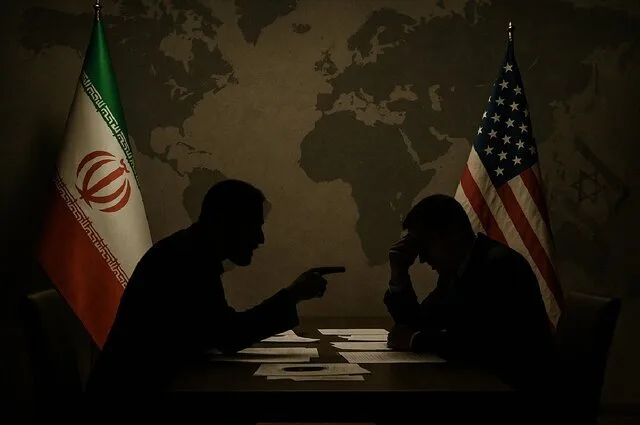
Iran, as a country with a rich history of political and military developments, is currently facing new challenges. The war by the terrorist regime of the United States against Iran, which began on March 1, clearly showed that traditional concepts in military and strategic domains are undergoing significant changes. Despite the military superiority of the United States, it has failed to achieve its objectives in the war with Iran and is now in a strategic deadlock.
A Bitter Experience for the U.S.
Since World War II, one of the foundations of U.S. military doctrine has been the establishment and maintenance of a network of military bases in sensitive regions of the world. These bases were designed as tools for deterrence and rapid response. However, Iran's missile and drone attacks on these bases not only caused serious damage to them but also weakened the confidence of the hosts in the security capabilities of the United States. In fact, this war demonstrated that the era of conventional warfare has ended and asymmetric warfare is currently more effective.
Read more: Hojjatoleslam Shahab Moradi: Wise Management of Speech for Strengthening the Family
Change in Iran's Nuclear Doctrine
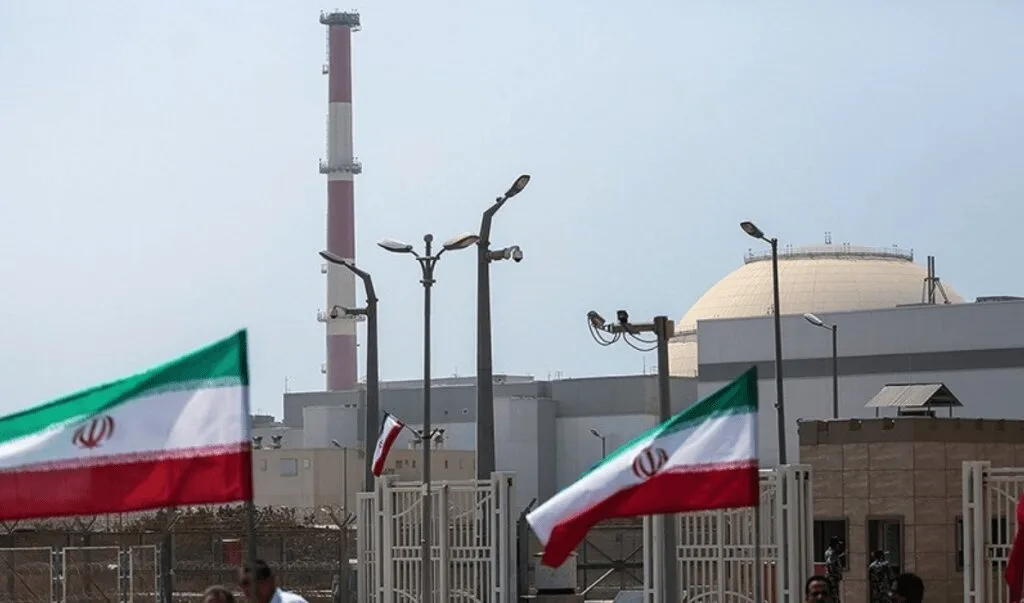
The experience of the recent war has led many analysts to conclude that Iran must reconsider its nuclear doctrine. Matthew Bunn, a prominent nuclear expert, emphasizes that the recent war has made Iran more determined to achieve nuclear deterrence. Despite the damage inflicted on Iran's nuclear facilities, the materials and technical knowledge necessary for building nuclear weapons are still available, and Iran's motivation to achieve this goal has increased more than ever.
Some theorists, like John Mearsheimer, refer to the war against Iran as the greatest strategic mistake in U.S. history. He insists that this war not only failed to achieve its objectives but also strengthened Iran's strategic position in the region. Given the consequences of the war, the likelihood of Iran acquiring nuclear weapons has significantly increased.
Chatham House, one of the reputable think tanks, also points out that the war against Iran has sent a dangerous message to the world. According to analyses from this think tank, nuclear weapons create a deterrence that conventional capabilities cannot provide. This clearly indicates that if Iran had achieved nuclear deterrence earlier, it would likely not have been attacked.
Finally, Raz Zimet, the Iran program director at the Institute for National Security Studies, notes that the Islamic Republic of Iran has spent decades trying to refrain from developing nuclear weapons. However, the developments of the recent war and repeated attacks on this country have severely impacted Iran's concept of security.
Read more: Eskandar Moameni: Security and Border Cooperation between Iran and Azerbaijan Should Develop · The Resilience of Iranian Female Athletes Amidst War