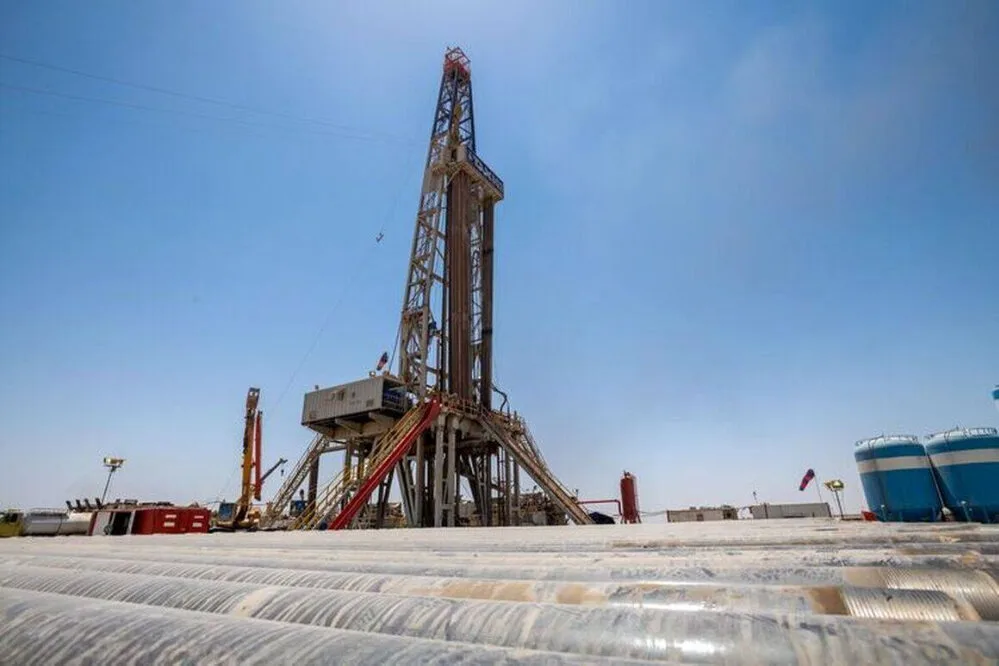
Iran, as one of the largest holders of gas reserves in the world, while facing serious energy shortages, can find new solutions to meet its needs by collaborating with the Republic of Turkmenistan. This cooperation not only helps supply the gas needed for power plants but also provides an opportunity to generate foreign income.
Gas Shortage Challenges in Iran
The story of gas shortages in Iranian winters bears a strange resemblance to the old proverb "Water in the jug and we wander thirsty." Despite standing on an ocean of gas reserves, during cold winter days, the northern and northeastern regions of the country face a gas shortage crisis. This contradiction is due to the location of wells and refineries in the south and the high consumption needs in the cold northern areas. The existing pipelines are unable to transfer a large volume of gas from south to north, resulting in gas cuts for power plants and increased consumption of liquid fuels.
Read more: Decrease in car prices in the Iranian market with declining dollar signals
Opportunity for Cooperation with Turkmenistan
Iran can meet the needs of power plants by importing gas from Turkmenistan and convert diesel into foreign income. Estimates suggest that if Iran can import about 33 million cubic meters of gas daily from its northern borders during the four cold months of the year, this action could be economically beneficial for the country. By doing so, Iran would be able to free up 4 billion liters of diesel for export, generating an income of approximately 3 billion and 200 million dollars.
The Republic of Turkmenistan, as one of the major holders of gas reserves in the world, is seeking sustainable solutions for selling its gas. The pipelines between Iran and Turkmenistan have been established for years, and the history of gas cooperation between the two countries dates back decades. These relations can easily be revived and create mutual benefits.
In September 2024, a memorandum of understanding was signed to expand gas cooperation between the National Iranian Gas Company and Turkmen Gas. This is a sign of smoothing the political grounds for cooperation. Additionally, the capacity to increase gas transfer to 40 billion cubic meters in the future could help stabilize Iran's commercial and political credibility in the region.
However, financial challenges and overdue debts may hinder the progress of these collaborations. Iran can introduce part of its exported diesel as payment for imported gas to Turkmenistan using economic creativity. This approach could help resolve financial issues and secure the necessary gas supply.
Read more: Allocation of currency for importing luxury cars alongside drug shortages · Movement of a bride and groom's truck in Tehran reminding of America's crimes