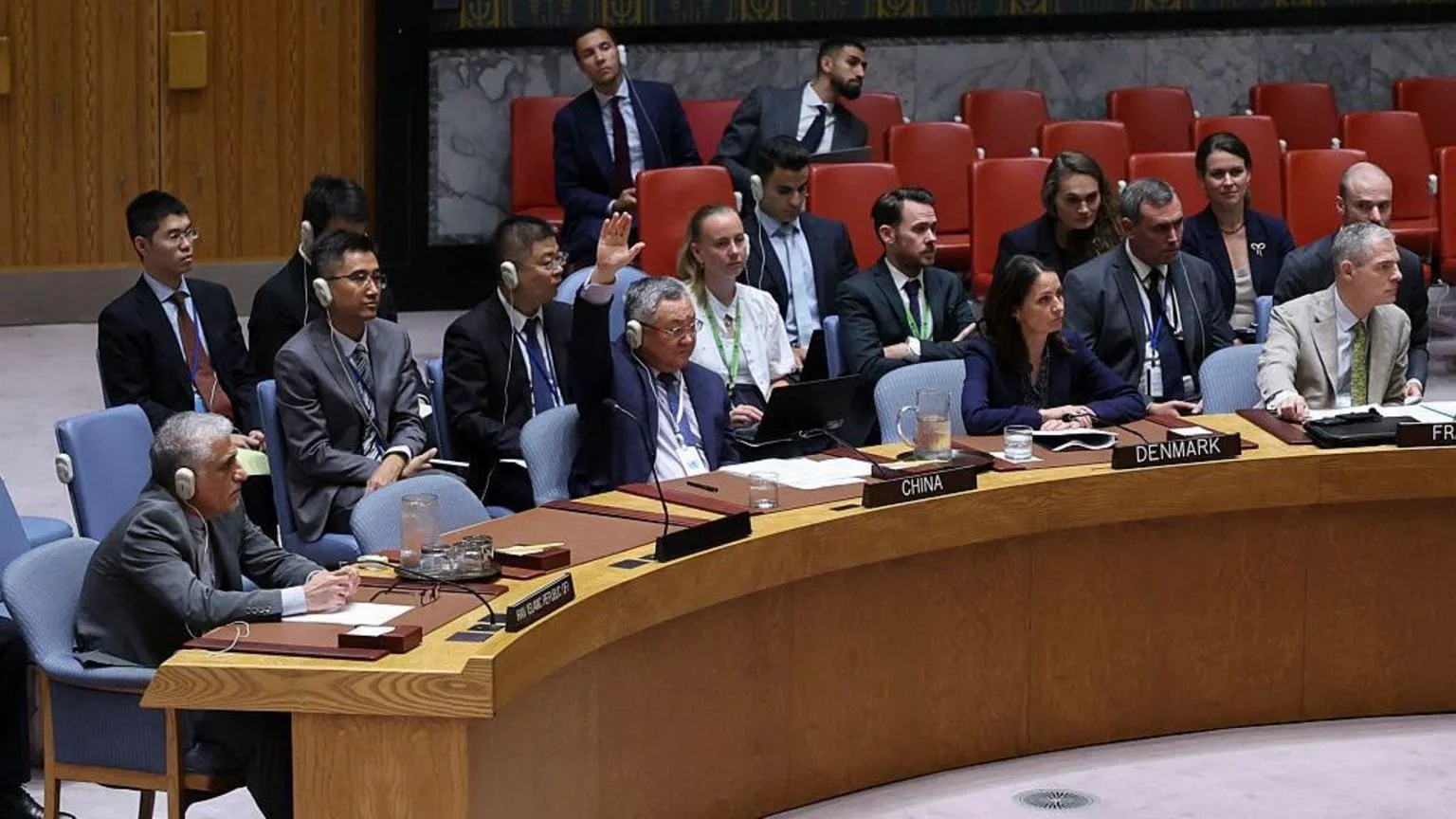
The Board of Governors of the International Atomic Energy Agency, in an unprecedented decision, announced on Wednesday, September 9, that Iran has not adhered to its safeguards commitments. This marks the first time in two decades that such a situation has occurred, meaning that Iran's nuclear file has been referred to the United Nations Security Council. This decision once again places Iran at the center of international attention and is considered a turning point in the country's nuclear crisis.
Possible Consequences for Iran
This report to the Security Council could have serious consequences for Iran. Given the increasing concerns of the international community regarding Iran's nuclear activities, there is a possibility that some countries may call for new sanctions or increased pressure on Tehran. Especially considering recent developments in the region, this pressure could have profound effects on Iran's economic and political situation.
Now it remains to be seen what reactions this move by the Board of Governors will elicit from Iran. Will Tehran continue to escalate tensions, or will it attempt to change the situation in its favor through diplomacy and dialogue? These questions arise as many analysts believe that Iran should seek negotiation and diplomatic avenues to prevent the escalation of the crisis.
Ultimately, this action by the Board of Governors signifies the movement of Iran's nuclear file from Vienna to New York, and this change of location could significantly impact the future of Iran's relations with the global community. Given the complex and tense history of this file, it remains to be seen how Iran will respond to this challenge.