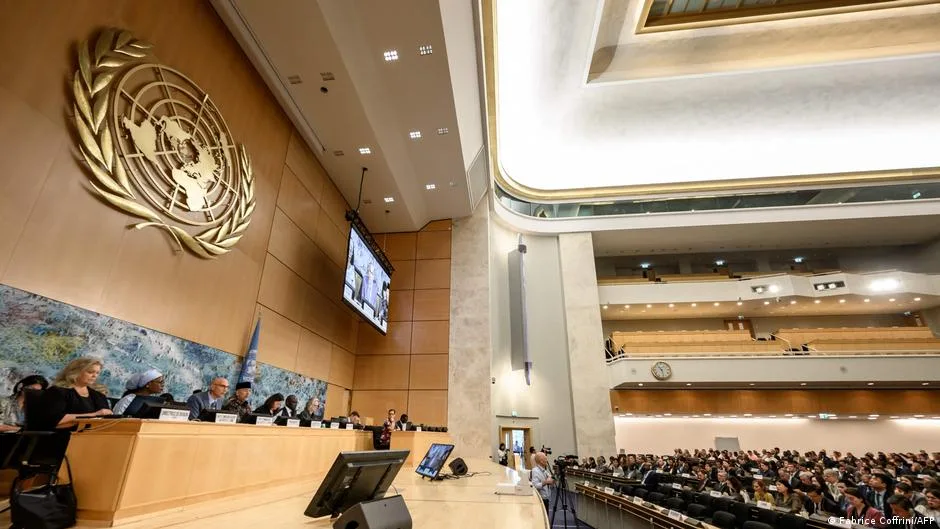
46 countries at the United Nations Human Rights Council condemned the wave of executions in Iran in a joint statement. This statement was read on September 30, 2026, by the representative of Liechtenstein at the Human Rights Council's general session, addressing growing international concerns regarding the Islamic Republic's use of the death penalty to suppress fundamental freedoms.
Serious Concerns About Executions
In this statement, 46 countries reminded that the authorities of the Islamic Republic, especially after the suppression of the protests in December 2025 and the execution of protesters, are increasingly using the death penalty. These countries warned that this punishment is being used as a tool to silence fundamental freedoms and suppress dissent.
The statement also referred to violations of fair trial processes, torture, forced confessions, and trials that deviate from international standards. Human rights organizations have reported that more than 30 detained protesters following the December 2025 protests have been executed, and dozens more are at imminent risk.
Reactions to New Executions
May Sato, the UN Special Rapporteur on the human rights situation in Iran, welcomed this international action and stated, "The need to halt executions until the death penalty is abolished has never been more urgent." Meanwhile, the UN independent fact-finding mission had also requested on July 23, 2026, that the authorities of the Islamic Republic immediately stop all executions, especially in cases related to protests.
In this context, the HRANA news agency reported that three of the detainees from the December 2025 protests have been sentenced to death. Khosrow Mohammadi-Nia, Masoud Tushmalani, and Sirvan Shabani have been sentenced to death in a joint case and are currently held in Gohardasht Prison in Karaj. The charges against these three citizens include "Moharebeh" and "conspiracy and collusion to disrupt national security."