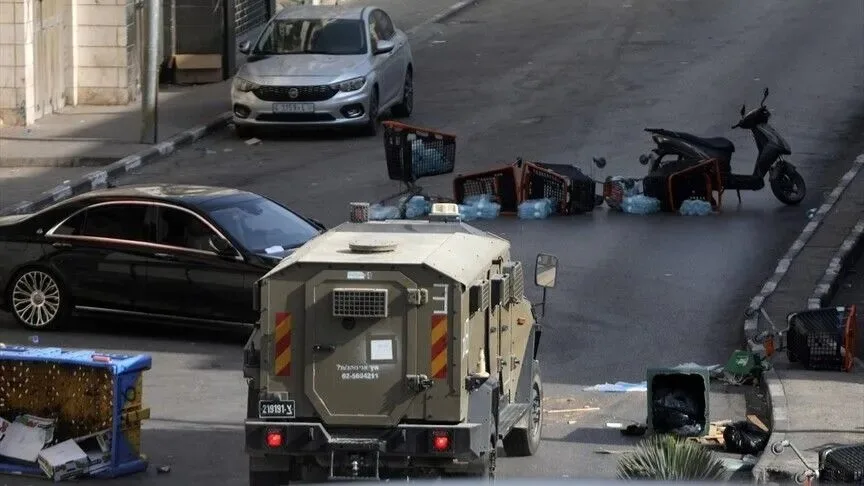
Heidi Levin, a news photographer for the Washington Post, was targeted in a bitter incident in the village of Abu Falah located in East Ramallah and suffered a bone fracture. This event not only resulted in physical harm to the photographer but also once again showcased the security and humanitarian challenges in the occupied territories.
Details of the Incident
In recent days, the village of Abu Falah has drawn attention due to escalating tensions between Palestinian residents and settlers. The recent attack in which Heidi Levin was injured was, according to witnesses, sudden and extremely violent. The mentioned photographer was struck by stones and other objects while covering the news of this event and was quickly transferred to the hospital.
Read more: Discovery of the First Green Star in the World Named WD J1330+6435
Human and Social Consequences
This incident clearly illustrates the human and social dimensions of the ongoing tensions in the occupied territories. Many residents of Abu Falah, who have themselves struggled for years with discrimination and violence, refer to this event as yet another symbol of the ongoing crises. This attack not only indicates serious dangers for journalists and photographers in war zones but also shows how political conflicts harm the daily lives of ordinary people.
Furthermore, this incident may impact future news coverage of the conflicts. Photographers and journalists in war zones are always faced with serious risks, and this incident could lead media outlets to exercise more caution in their decisions regarding how to cover the news.
In the coming days, Heidi Levin's health status and her recovery process will be monitored. Additionally, this incident may provoke international reactions and once again draw attention to humanitarian crises in the Middle East.
Read more: American Fighters Fly Over Border Areas of Iraq and Saudi Arabia · China: The U.S. War Against Iran Should Never Have Happened