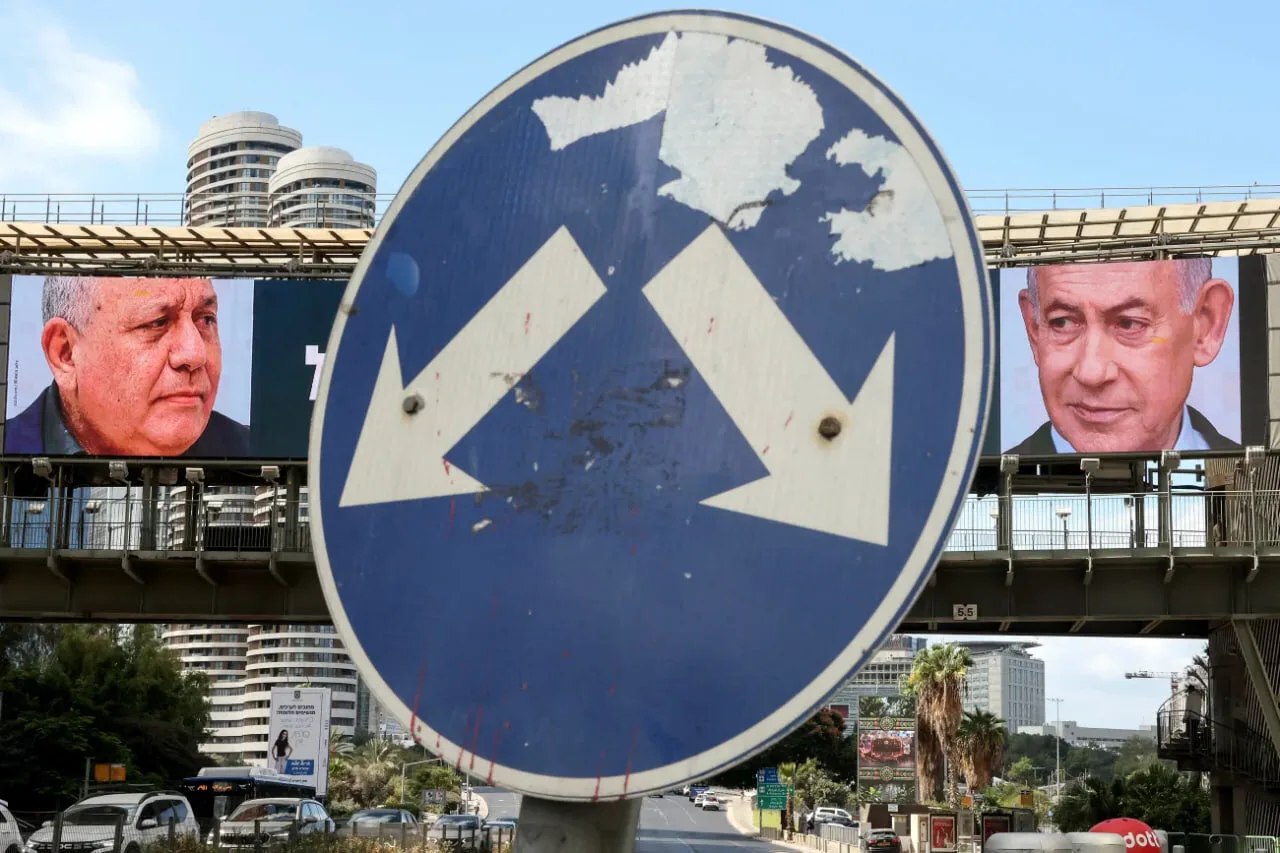
The initial results of the Israeli parliamentary elections held on October 27, 2026, depict a different image of the political future of the country. The Likud party led by Benjamin Netanyahu is leading in the vote count, while neither of the two main blocs has managed to secure the necessary majority to form a cabinet, suggesting that prolonged coalition negotiations may lead to the formation of a fragile government or a new election.
High Turnout and Its Implications
The Central Election Committee of Israel announced a turnout of 77.7%, which is 7.1 percentage points higher than the 2022 elections and represents the highest turnout since 1999. This increase in participation, especially among Arab residents in the occupied territories, has led analysts to reflect on existing discontent with Netanyahu's policies and the desire for change in the power structure.
Read more: Saudi airstrikes on the districts of Mokha and Harf Sufyan in Yemen
Vote Counting Results and Future Scenarios
According to the announced results, with 51.8% of the votes counted, Netanyahu's bloc has secured 55 seats, the opposition bloc led by Gadi Eisenkot has obtained 49 seats, and the Arab parties have gained 16 seats. However, the final composition of the Knesset and the future cabinet will depend on the announcement of the definitive results and political negotiations following the elections.
According to the law, the candidate appointed by the President of the Zionist regime has 28 days to form a coalition, which can be extended by 14 days. Given the difficulty of the blocs achieving a majority of 61 seats, four main scenarios for forming the future cabinet of Israel are proposed.
First, if Netanyahu can garner support from smaller parties, he may form a right-wing cabinet. Second, if the opposition bloc led by Eisenkot can reach an agreement among themselves to form a cabinet, a reshaping of the cabinet may occur. Additionally, the role of the Arab parties in these negotiations will be influential, but Eisenkot has generally rejected forming a coalition with them.
At this stage, Netanyahu has emphasized the necessity of forming a "national, strong, and right-wing government," while Gadi Eisenkot views the declining public trust in the current leader as a sign of the need for change. Ultimately, future developments will heavily depend on the final results of the vote count and the parties' ability to form effective coalitions.
Read more: Poland selected as the host for the maintenance center of Patriot systems · Washington working to preserve Netanyahu and review the unity cabinet