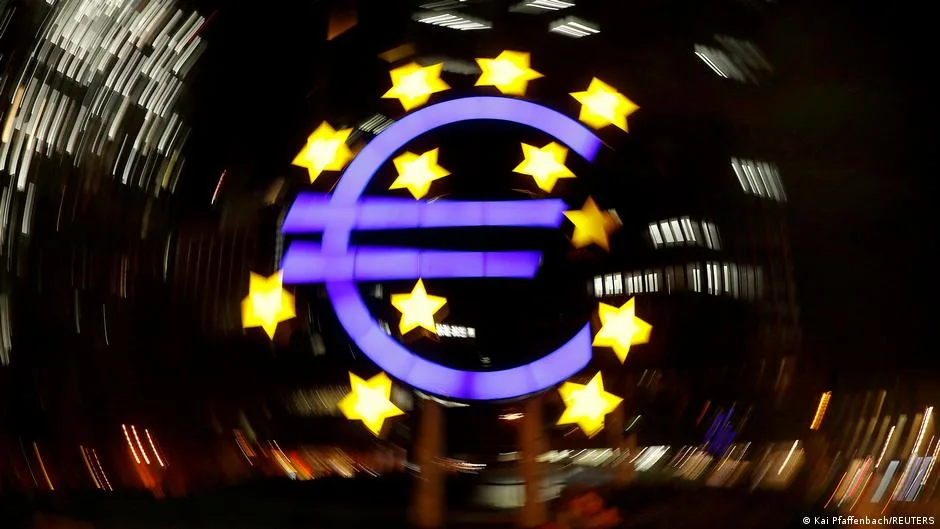
The inflation rate in the Eurozone has reached 3.8%, marking the highest level in three years. This significant increase is due to a sharp rise in energy and commodity prices, which has exerted more pressure on consumers and companies. Preliminary data from the European Union's statistics office shows that the prices of goods and services in September increased by 3.8% compared to the same month last year.
Reasons for the Increase in Inflation
Compared to August, when the inflation rate was reported at 3.2%, this increase exceeded experts' predictions. Forecasts indicated a rate of 3.6% for this month. One of the main reasons for this increase is the high energy prices, which have risen by 18.8% compared to the same month last year. In August, this rate was 14.3%.
Read more: European Commission Opposes Ban on U.S. Diesel Exports
Jörg Krämer, chief economist at Commerzbank, points out that companies are passing on their increased energy costs to customers. He stated, "In the last three months, the prices of goods and services excluding energy and food have increased by about three percent."
Pressure on the European Central Bank
The rising inflation rate is putting more pressure on the European Central Bank. The bank aims to prevent shocks from oil prices and persistent changes in price structures. The high energy costs, exacerbated by the war in Iran, carry the risk of wages and prices rising in tandem, a phenomenon that could lead to sustained inflation.
Data from Germany also shows that unprecedented fuel prices have pushed the inflation rate in that country to 3.3%. Isabel Schnabel, a member of the Executive Board of the European Central Bank, emphasized the importance of assessing how shocks are transmitted to core inflation and adjusting monetary policies accordingly. The so-called "core inflation rate" has risen to 2.5% this month, still below the desired level.
Alexander Krüger, chief economist at "Betman Hall" bank, says the current inflation trend will put more pressure on the European Central Bank to raise interest rates. He predicts that even the core inflation rate will not significantly change this situation, and the risk of second-round effects remains high.
Financial markets have also reacted to this data, anticipating that the European Central Bank may implement another interest rate hike by the end of the year to combat rising prices in the Eurozone. The bank had previously responded to rate increases in June and September, raising it to 2.5%.
Read more: Municipality's Proposal for Achieving Zero Inflation and Reducing Pressure on People · Iran War Increased Cost of Living in Europe