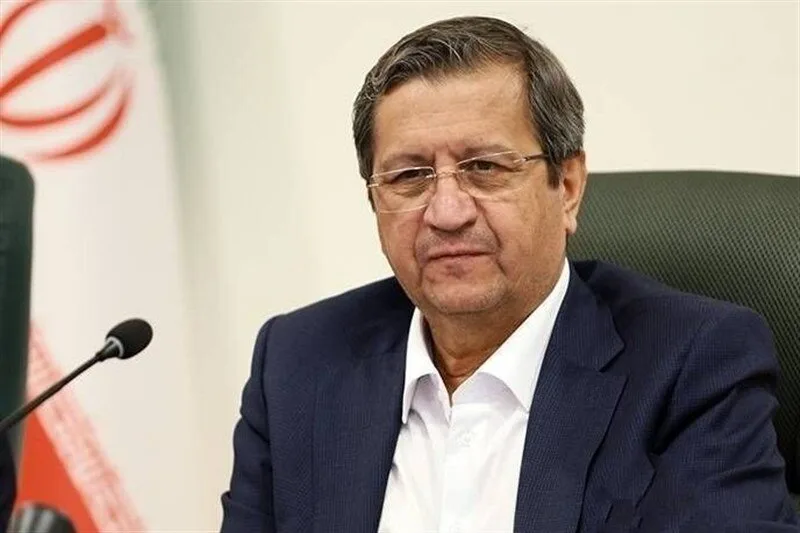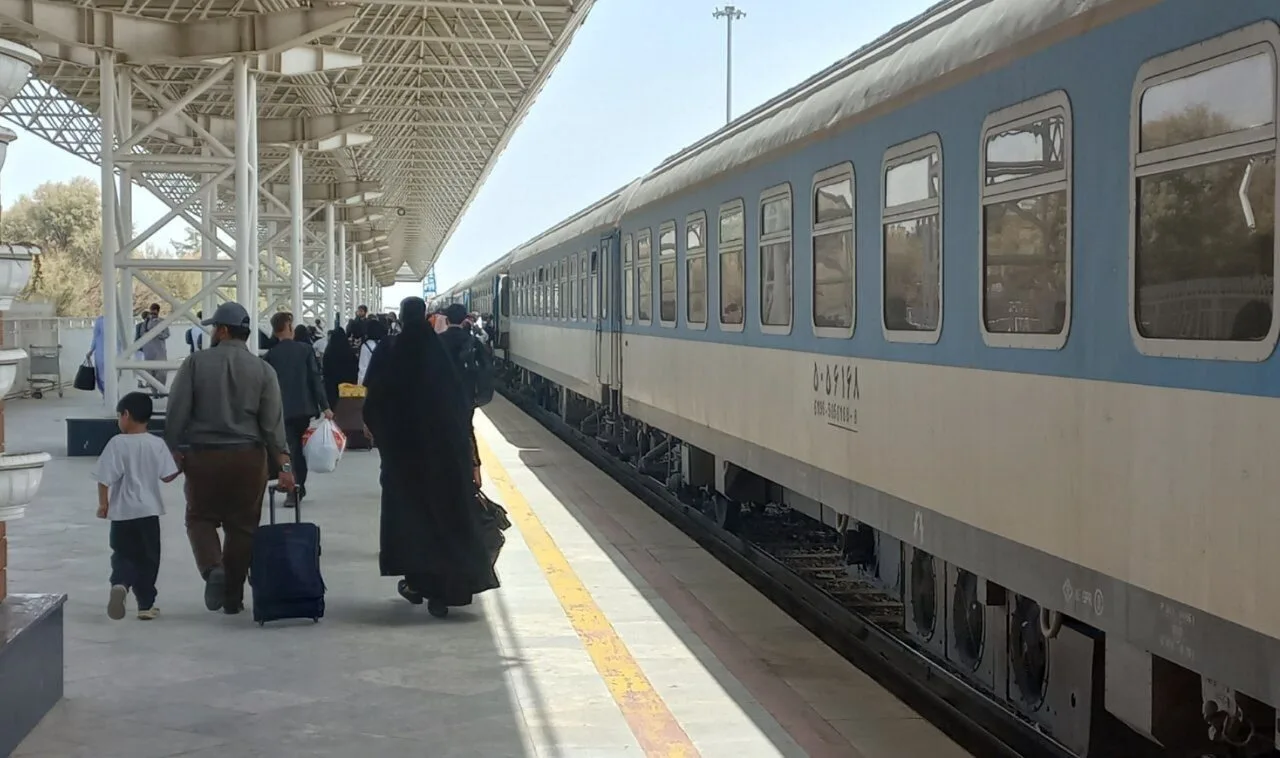
Zakeri, the CEO of the railway, recently elaborated on the reasons for the increase in train ticket prices and identified currency fluctuations as the primary factor behind this price hike. He noted that the economic situation of the country and changes in the exchange rate significantly impact the costs in the rail transport sector.
Currency Fluctuations and Their Impact on Costs
Zakeri explained that the foreign exchange dependency in the rail transport sector is very high, and various parts of this industry rely on imports to meet their needs. Among these, the maintenance costs and procurement of locomotive parts, which constitute a major portion of the expenses, are sourced from abroad. This reliance on imports, amid increasing currency fluctuations, severely affects ticket prices.
Need for Repairing the Rail Fleet
The CEO of the railway also referred to the condition of the passenger fleet, stating that this fleet needs repairs and upgrades due to wear and tear. The increase in ticket prices occurs while passengers still require rail services, which could lead to a decrease in public satisfaction with these services. Zakeri also emphasized that the passenger transport sector of the railway is heavily influenced by economic conditions and exchange rates, and this is an unavoidable reality that must be considered.
According to him, under current conditions, considering the maintenance needs and procurement of rail fleet parts, the increase in ticket prices must be accepted as an economic reality. While significant efforts are being made to improve the fleet's condition and reduce costs, currency fluctuations and reliance on imports remain challenges that cannot be overlooked.
Read more: Mohammad Javad Karami: Bakers Forced to Increase Bread Prices