The number of attacks on ships in the Strait of Hormuz and its surrounding areas has reached the highest recorded level. An analysis of data from a British maritime agency shows that from October 5 to 11, 12 vessels were targeted. This figure represents the highest number of reported attacks in a week to the UK Maritime Trade Operations (UKMTO) since the beginning of the war between the United States and Israel with Iran.
Increase in Attacks and Its Impact on Oil Export Trends
On Sunday, October 11, six vessels were targeted, which is also the highest recorded number in a single day. Additionally, four more attacks have been reported this week. With the increase in attacks, the process of improving oil transportation from the Strait of Hormuz, which had begun last month, has severely slowed down.
Read more: Jalali: Continuing to Use Force Will Not Yield Results for the U.S.
Shipping industry data indicates that on October 13, approximately 12.6 million barrels of oil were passing through the Strait of Hormuz daily; a figure that was about 15 million barrels per day at the end of September. Furthermore, the amount of oil transported through this waterway was around 17 million barrels per day before the war began.
Iran's Attacks and the U.S. Response
Experts believe that Iran is attacking ships in an effort to exert more control over the Strait of Hormuz. In this regard, the U.S. military has increased the number of tankers it escorts from the southern route of the strait to protect against Iranian attacks. Despite these attacks, the U.S. Central Command has stated that commercial vessel traffic continues through the Strait of Hormuz with the protection of U.S. forces and regional partners.
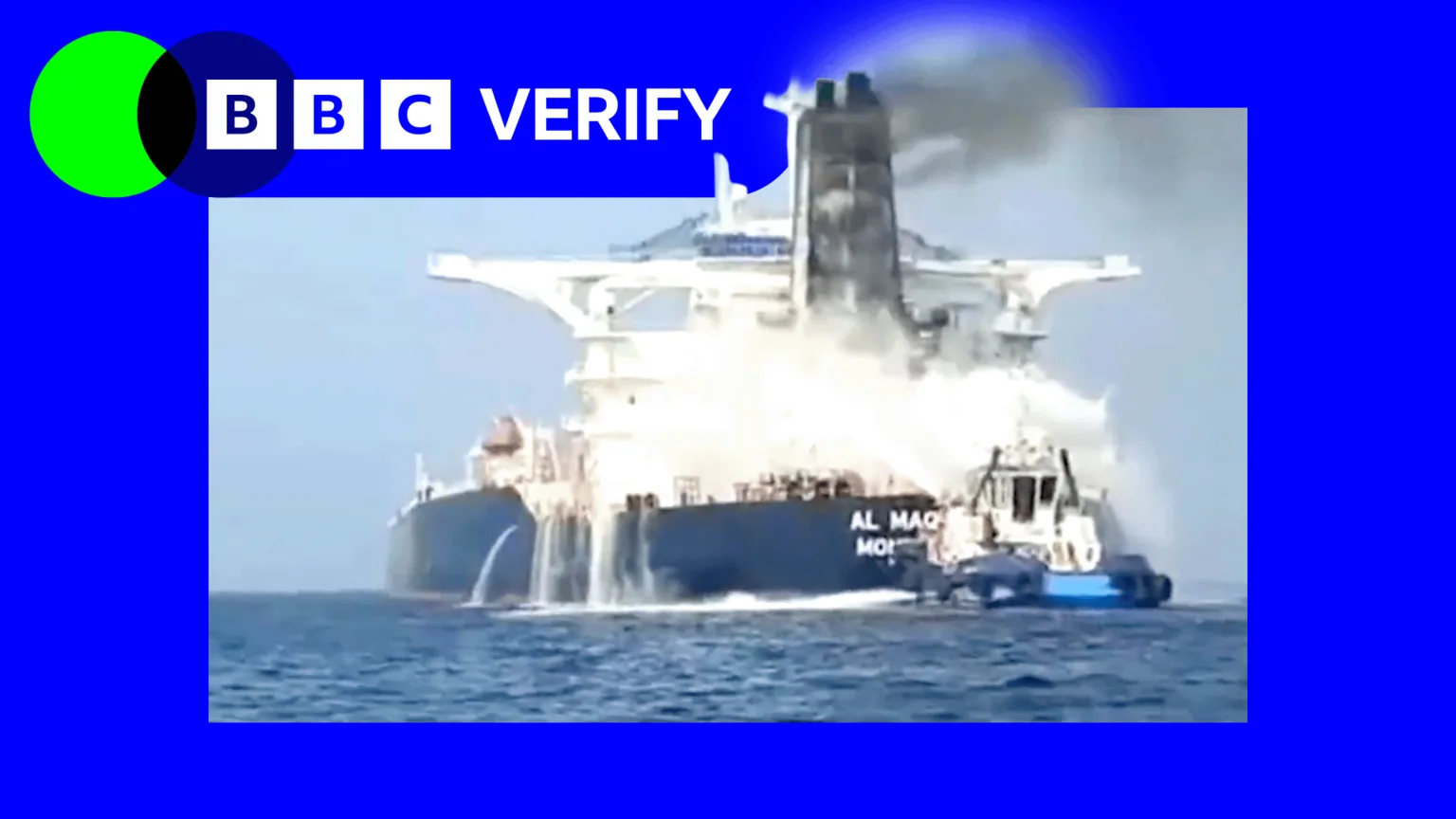
The aftermath of one of the recent attacks has been captured in a video showing the burning of the tanker "Petro Dolphin" flying the flag of Nicaragua. This tanker was targeted by a drone near the port of Sohar in Oman, over 250 kilometers away from the Strait of Hormuz. The Indian Mariners' Union reported that 11 Indian sailors have been rescued, but two are still missing.
Continuing this trend, the container ship "GFS Pride" sank on Tuesday after being hit by an unidentified projectile in the Strait of Hormuz, but all 21 crew members were safely evacuated. The Islamic Revolutionary Guard Corps claimed that this ship was carrying "2,500 containers of smuggled goods" and had passed through an "unauthorized route."
Expansion of Attack Scope
With the increase in the number of attacks on ships, the process of improving oil transportation from the Strait of Hormuz has severely slowed down. Martin Kelly, CEO of Orbital Risk Intelligence, stated that Iran has "changed its strategy" in response to its declining control over the Strait of Hormuz and is continuously expanding its attacks.
Data from the U.S. Navy shows that in the first 10 days of October, the number of vessels receiving assistance to pass through the Strait of Hormuz increased by 85% compared to the same period in August. This indicates growing concerns about the security of vessel traffic in this area.
Read more: Johannes Natland Sentenced to 20 Years in Prison for Conspiracy to Commit Murder · Volodymyr Zelensky: No Country in Europe Can Counter Iran's Missiles and Drones