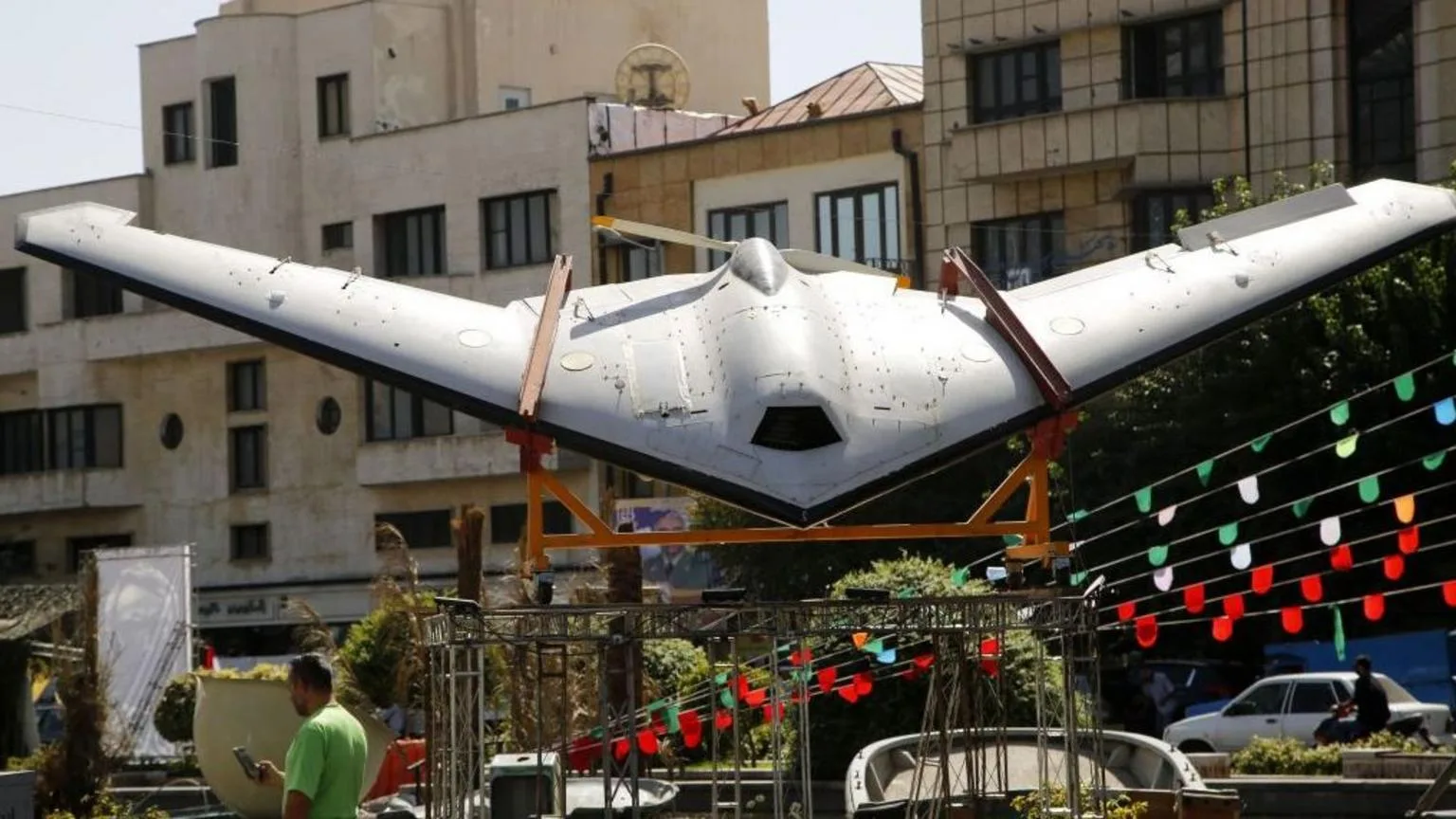
In order to secure the necessary parts for its drones, Iran relies on a network of international intermediaries. In September 2023, the U.S. Department of the Treasury announced that a component discovered in the wreckage of a Shahed-136 drone was purchased through this network for Iran's drone program. This drone has been specifically used by Russia in the war in Ukraine, and the mentioned component is a servo motor used to control the movement of the drone's moving parts.
The Role of Intermediaries in Securing Parts
According to information from the U.S. Department of the Treasury, an Iranian company had procured thousands of servo motors for the Aerospace Force of the Islamic Revolutionary Guard Corps using intermediaries in Hong Kong, Turkey, and the UAE. Despite extensive sanctions, Iran remains dependent on foreign parts to manufacture its drones. U.S. sanction documents describe networks of companies and commercial intermediaries involved in supplying these components.
Read more: Kamran Haghiaabi: Warning of Rain System Entering Alborz Province
Damien Spiliotopoulos, a weapons researcher and founder of the consultancy firm Haymadel, emphasizes that to understand the supply chain of parts, the place of manufacture, the seller, and the access routes must be examined separately. These analyses indicate that in some cases, securing a part with a Western brand through a Chinese intermediary is a different issue than replacing it with a product made in China.
Dependence on Foreign Parts and Sanction Challenges
Officials of the Islamic Republic have repeatedly introduced Iran's drone program as achievements of "self-sufficiency" in defense. However, field evidence and research indicate that Iran requires advanced technologies and specialized components. Specifically, Kit Korn, Deputy Program Director at the Center for Strategic and International Studies, points out that Iran lacks the capability to produce the integrated circuits needed for its drones and missiles and is forced to source them from abroad.
Reports indicate that many of the components used in Iranian drones do not have advanced technology and have been available in the market for years. For example, Korn states that simple microprocessors that first entered the market in 2008 are still used in the production of Shahed drones. This simplicity is one of the reasons for the difficulty in controlling the export of these components, as many of them are produced in bulk and are used in various products.
Additionally, Iran remains dependent on imports for raw materials, engine parts, navigation sensors, and electronic equipment. This dependency poses serious challenges for Iran's military programs, especially under the current stringent sanctions.
Analyses show that Iran's parts supply networks can continue their operations after sanctions by replacing intermediary companies. For example, after the sanctions on several intermediary companies in Hong Kong, the U.S. Department of the Treasury announced a year later that the purchasing network associated with an Iranian company continued to procure aerospace parts and electronic equipment through new intermediaries in China and Hong Kong.
Read more: Masoud Pezeshkian Travels to Russia on Tuesday · Attention to Hijab in Azerbaijani Schools; A New Challenge in Relations with Iran