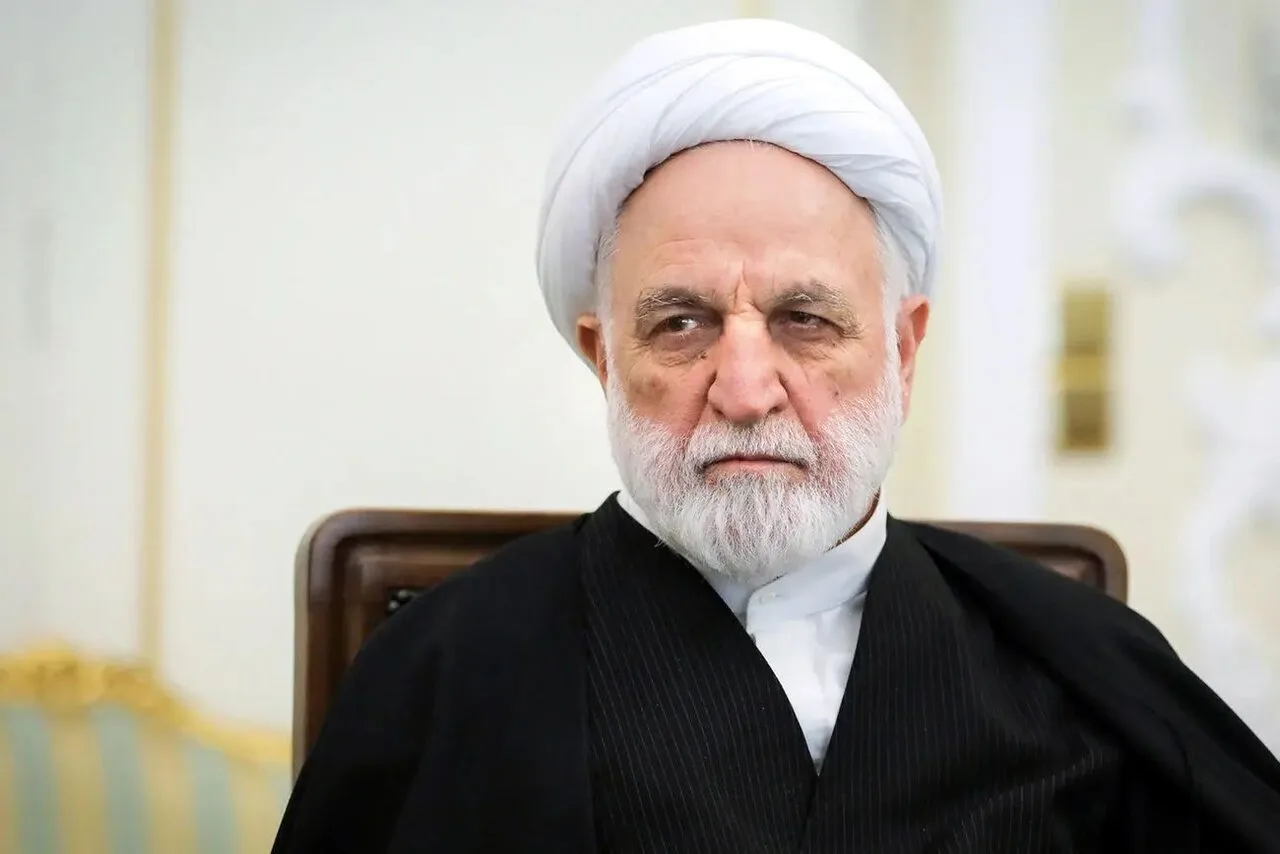
Hojjatoleslam and Muslims Mohseni Ejei, the head of the judiciary, in clear and humane statements, emphasized the importance of constructive and compassionate criticism and urged critics to help improve the situation with their logical and scientific opinions. He said: "We thank those who provide fair, logical, and scientific criticism, and we pray for them."
Welcoming fair criticism
The head of the judiciary further stated that compassionate and benevolent criticism is welcomed with open arms and pointed out that "we listen and as much as possible, we try to address any errors or issues raised." This perspective enhances hope for positive interaction between officials and the community. Ejei added: "We are not afraid of noise. We are not worried about atmospherics."
Read more: Defense of Tehran residents for the zero inflation livelihood plan in the City Council
Criticism as a way to improvement
The head of the judiciary pointed out that logical criticisms accompanied by legal solutions can help the improvement process, urging critics to continue providing benevolent suggestions. He referred to this process as an opportunity for reform and improvement, emphasizing that constructive criticism can benefit society and the judicial system.
Mohseni Ejei also noted that such criticisms are not only effective in improving the current situation but can also help create a healthy and positive atmosphere in society. Expressing hope that these interactions continue in the future, he said: "We also thank and pray for anyone who provides fair, logical, and scientific criticism; it helps us a lot."
Positive consequences of compassionate criticism
These statements from the head of the judiciary can be seen as a sign of a change in approach within the judicial system. Welcoming criticism and interacting with the community as a fundamental principle can help improve relations between the people and officials and increase public trust. With this approach, hope for reforms and improved quality of judicial services in society grows.
Ultimately, Hojjatoleslam and Muslims Mohseni Ejei emphasized the importance and value of compassionate criticism, stating that such criticisms are not only accepted but will also be used as an effective tool for reforms. He expressed hope that these interactions will benefit society and the judicial system, calling on everyone to cooperate on this path.
Read more: Transfer of 17 Iranian citizens from UAE prisons to homeland · Kylian Mbappe's criticism of the controversial meme: Political and humanitarian ignorance!