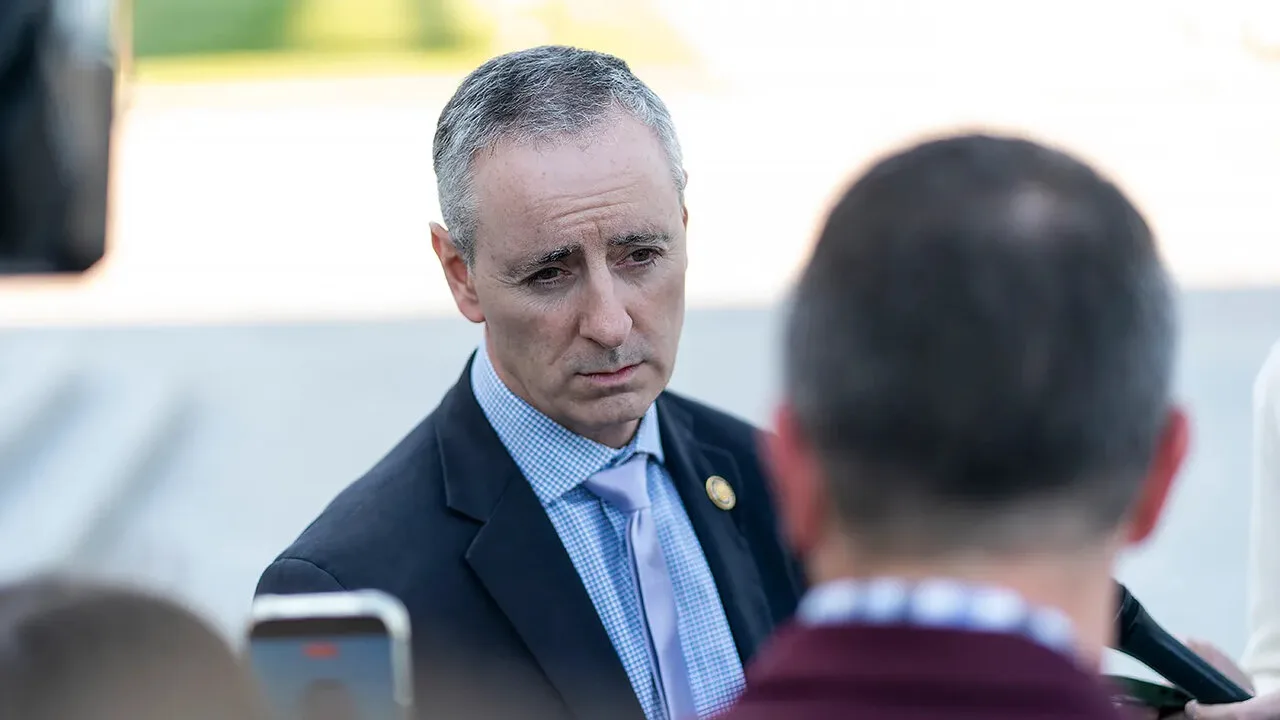
Greg Stanton, Republican representative from Pennsylvania, recently announced a new initiative in the U.S. Congress to ban the purchase of Russian oil. This bipartisan proposal is in response to the recent decision by Donald Trump, the former President of the United States, to import 300,000 tons of diesel from Russia. As political criticisms are sharply increasing, this proposal seems to be a serious step towards ensuring the country's energy security and reducing dependence on foreign resources.
Background and Motivations of the Proposal
The U.S. government has been seeking ways to reduce dependence on Russian oil and gas in recent years due to political and military tensions with Russia. This new proposal, presented by Stanton and his colleagues in Congress, clearly reflects dissatisfaction and concern over increasing trade interactions with Moscow. Given the current energy market conditions and global environmental crises, this proposal could be seen as a strong signal to the international community.
Read more: The Left Party of Germany confirms the start of coalition negotiations
Reactions and Consequences
Reactions to this proposal in Congress, as well as among media and political analysts, have been very diverse. Some representatives view this action as a positive step towards supporting human rights and preventing the financing of wars and violence in various regions of the world. At the same time, some critics believe that this ban could lead to an increase in energy prices in the United States and negatively impact people's daily lives.
The proposal to ban Russian oil purchases comes at a time when the energy crisis and rising fuel prices have become a major concern in many countries around the world, including the United States. In this context, Congress must make tough decisions that consider not only economic impacts but also social and political consequences. Given the current circumstances, this proposal could certainly influence the future of U.S. energy policies.
Read more: Israeli soldiers raid Quneitra, Syria and arrest residents · Amir Ali Abolfath: Sanctions are ineffective tools against Iran