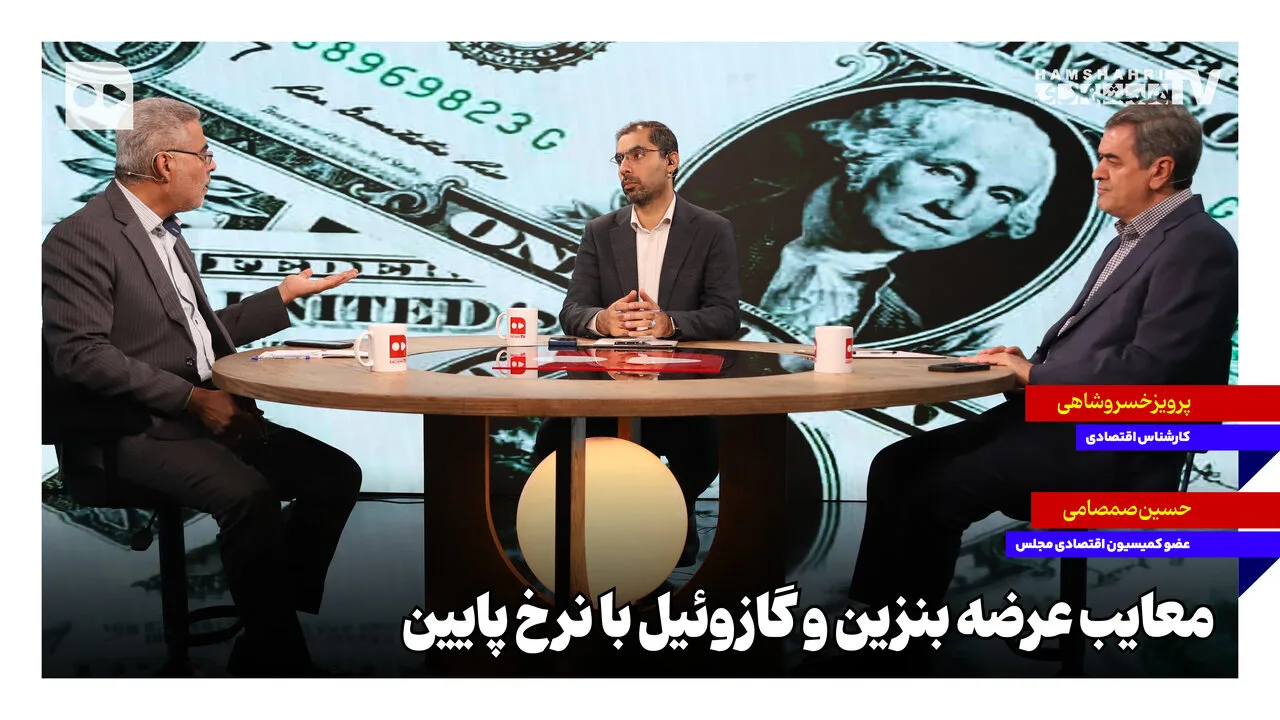
The Iranian government sells a large portion of petroleum products at prices significantly lower than their actual rates. This policy, adopted to support consumers and control prices, has gradually become one of the controversial topics in the country's economic sphere.
Economic Challenges Due to Low Pricing
The supply of gasoline and diesel at low rates seems beneficial for consumers, but it also brings consequences that must be considered. The first problem is that this policy leads to a decrease in government revenues from the sale of petroleum products. In a situation where the country is facing a budget deficit, this issue can exacerbate the financial crisis.
Read more: Pezeshkian: New Horizons of Economic Cooperation are Emerging
Moreover, low energy pricing can lead to excessive consumption of resources. In fact, when gasoline and diesel prices are low, there is no incentive to reduce consumption and seek new energy sources. This can lead to instability in energy supply in the future.
Social and Environmental Consequences
Aside from economic consequences, low pricing on petroleum products can also have social and environmental repercussions. Increased consumption of gasoline and diesel, and consequently increased air pollution, is one of the direct consequences of this policy. In major cities in Iran, air pollution has become a serious crisis, and the continuation of this trend only exacerbates it.
Additionally, with the continued supply of gasoline and diesel at low prices, there is a possibility that society will move towards greater dependence on fossil fuels. In a world that is moving towards the use of renewable energy, this policy could distance Iran from global trends.
Ultimately, economic analysts believe that the government should seek more sustainable solutions for managing the energy market instead of continuing this policy. Creating a framework for investment in new and renewable energies could be one of the effective solutions in this regard. It seems the time has come for policymakers to think about the future of the country's energy instead of maintaining low prices.
Read more: Iraqi Drone Attack Challenges Saudi Oil Exports · Dr. Masoud Pezeshkian: BRICS in New Delhi; The Beginning of a New Chapter