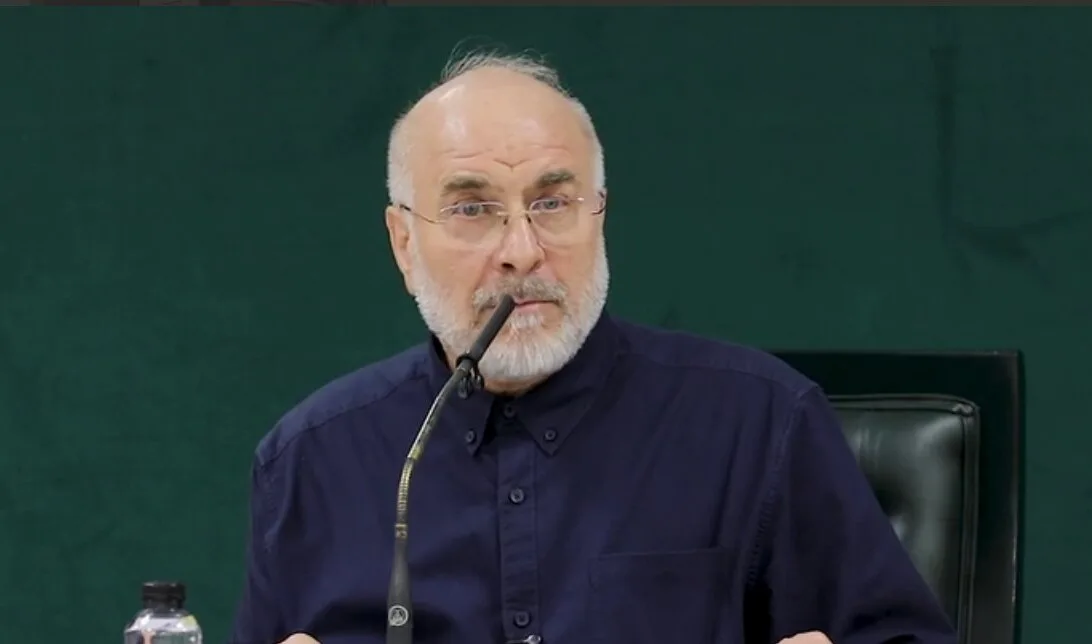
Mohammad Baqer Ghalibaf, the Speaker of the Islamic Consultative Assembly, in his pre-speech address in the open session, emphasized the necessity of simultaneously fighting and negotiating, stating: "We believe that the binary of war or negotiation is not real. Rather, we must both fight and negotiate." These remarks reflect his perspective on the political and military complexities of the country.
Strategic Errors in the Political Arena
Ghalibaf continued by warning of two strategic errors in the country's policymaking, stating: "Unfortunately, there are two strategic errors in the elite and political atmosphere of the country that both simplify reality." He criticized the first perspective that emphasizes war but has no horizon or mechanism for its decisive end. According to him, this perspective leads the country toward erosion and endless war.
The Second Perspective: National Weakness and Surrender
In contrast, Ghalibaf referred to another trend that suffers from underestimating national capabilities and perceives Iran as weak. He stated: "This perspective, through instilling fear, prescribes a version of surrender and acceptance of the enemy's unilateral conditions." These statements clearly illustrate the existing challenges in the country's political thought and how it affects officials and the public.
Ghalibaf also emphasized that negotiations should be conducted at the right time and with authority and rationality. He stressed that no interaction or diplomacy should occur without calculating capabilities, as this approach could lead to the erosion of national power.
Consequences of Dialogue and War
These remarks by Ghalibaf come at a time when Iran's foreign policies are significantly influenced by recent regional and international developments. It seems that combining various strategies in this regard could help strengthen Iran's position on the global stage.
Ultimately, Ghalibaf emphasized that the transmission of messages through intermediaries must be done clearly, and this issue is more important now than ever. He urged elites and politicians to avoid simplification and to analyze realities correctly.