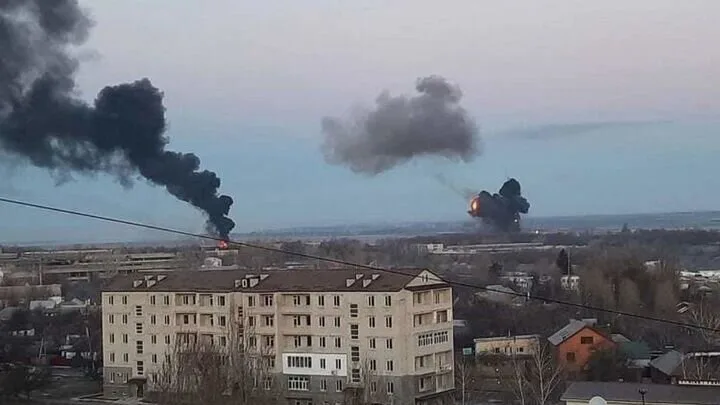
The G7 foreign ministers have addressed the issue of tension in the West Asian region in a new statement, condemning the resistance of Yemen's Ansarullah against the actions of Saudi Arabia. This statement reflects the concerns of these countries regarding the current situation in Yemen and its impact on regional stability.
Condemnation of Yemen's Ansarullah Resistance
The G7 foreign ministers criticized the resistance of Yemen's Ansarullah while ignoring the root causes of tensions in West Asia. In this statement, they emphasized the need to end any alleged military support from Iran to Yemen. This comes at a time when Yemen has been experiencing a severe civil war since 2015, with the Ansarullah group recognized as one of the main actors in this conflict.
Read more: Ansarullah Reports the Neutralization of Saudi Arabia's Terrorist Plot in Sana'a
Consequences of the G7 Statement
This statement not only exacerbates the existing tensions in Yemen but could also impact the relations between Iran and the G7 countries. Some analysts believe that such statements will lead to increased tensions on an international level and provoke reciprocal reactions from Iran. Additionally, this statement may negatively affect the peace negotiations in Yemen and make a peaceful resolution to this crisis more difficult.
Furthermore, this statement may act as a pressure tool on Iran to withdraw its support for various groups in Yemen and other parts of the region. However, the realities on the ground and the complexities of international relations may pose serious challenges to these efforts.
Ultimately, the G7 statement indicates that the international community is still seeking solutions to end the Yemen crisis, but neglecting the root causes of this crisis may lead to continued tensions and instability in the region.
Read more: France to Bring a Resolution to the Security Council to Lift the Blockade of the Strait of Hormuz · Saudi Airstrikes on Al-Mokha, Yemen Leave 15 Casualties