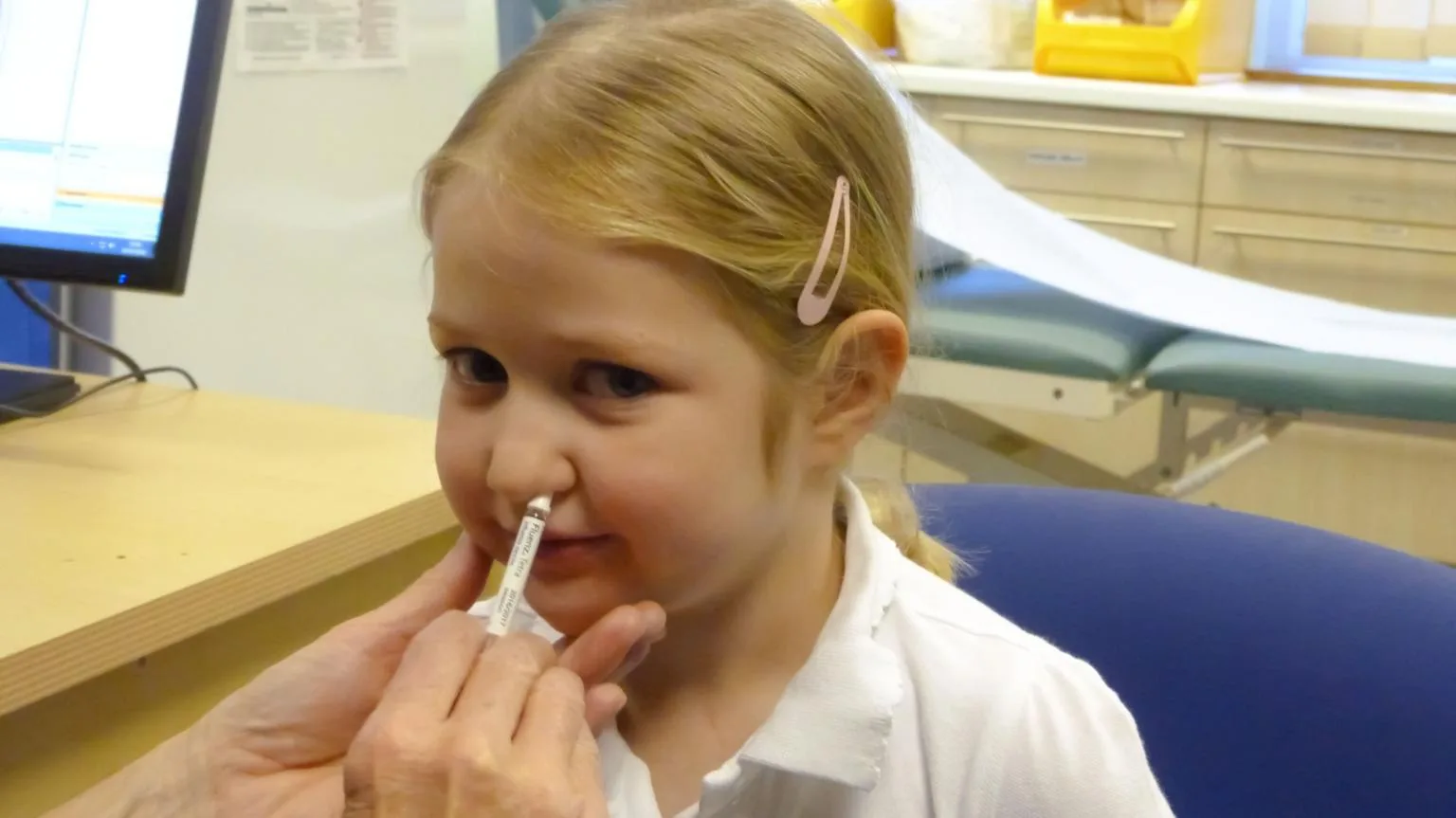
After an unprecedented and challenging summer, the distribution of the flu vaccine has now started. This action comes as healthcare services strive to return to normalcy and improve their situation. Last summer, hospitals and health centers struggled with a high volume of patients, and now it is time to prepare for the flu season.
Can Vaccines Manage the Crisis?
According to experts' predictions, this year we may face an increase in flu cases. Based on past experiences, vaccines play a key role in reducing the severity of illness and mortality. Therefore, the distribution of the vaccine has become even more important at this time. Many individuals in the community are seeking more accurate information about vaccines and their effects, which further emphasizes the need for effective and transparent communication in this area.
In this regard, health officials emphasize that the flu vaccine is especially vital for vulnerable groups, including the elderly, children, and individuals with underlying health conditions. However, given the challenges of last summer, it is concerning whether the healthcare system can manage this burden effectively.
Challenges Ahead
With the start of vaccine distribution, there are also concerns about access, quality, and production levels. Can the healthcare system supply the vaccines on time and deliver them to the public? These questions remain unanswered, and concerns among community members have increased.
Ultimately, what is clear is that the flu vaccine can serve as an effective tool in controlling diseases, but without proper support and planning, it may not achieve its goals. Now we must wait and see if this time we can successfully navigate the flu season with the help of vaccines or not.